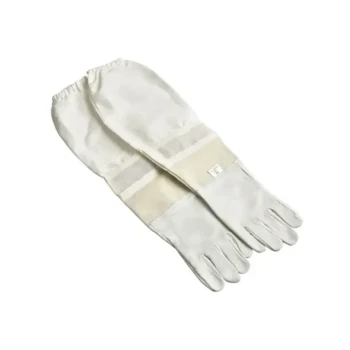
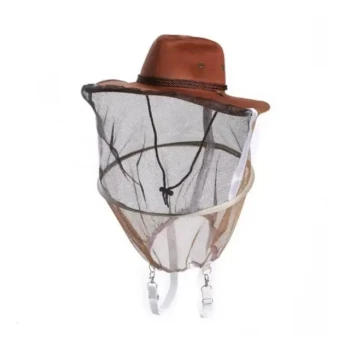
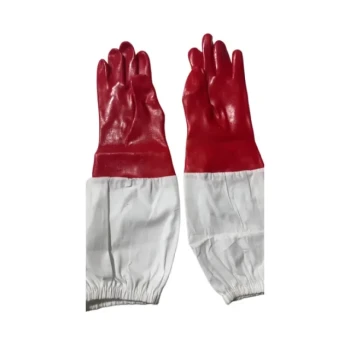
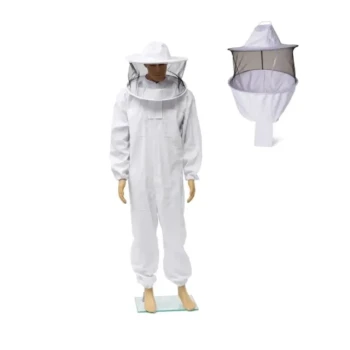
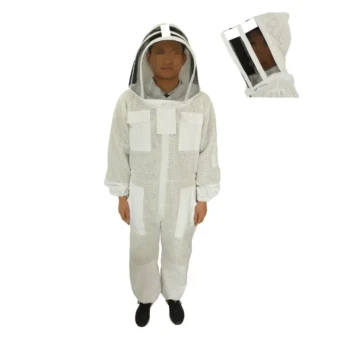
Professional bee veils and gloves act as the critical interface between operator safety and colony health. They are considered essential consumables because they provide the high transparency needed to visually identify queens and parasites like Varroa mites, while simultaneously offering the heavy-duty abrasion resistance required to prevent stings without sacrificing the manual dexterity needed for complex hive splitting operations.
Core Insight: Effective management of Africanized Honey Bees (AHB) requires a shift from simple protection to "precision capability." High-quality veils and gloves do not just prevent injury; they create the psychological stability and physical dexterity required to perform delicate diagnostic tasks in a hostile environment.
Enabling High-Precision Colony Management
Visual Clarity for Diagnostic Tasks
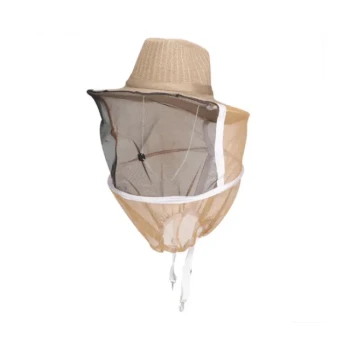
According to primary technical standards, professional veils are engineered for high transparency. This is not aesthetic; it is a functional requirement for the early detection of colony issues.
An operator must be able to clearly identify the queen bee to assess her health and laying pattern. Furthermore, the mesh clarity allows for the visual detection of minute parasites, such as Varroa mites, which are critical indicators of colony health.
Dexterity for Complex Manipulations
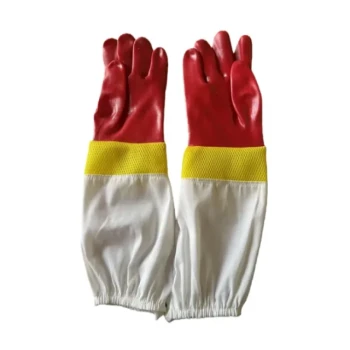
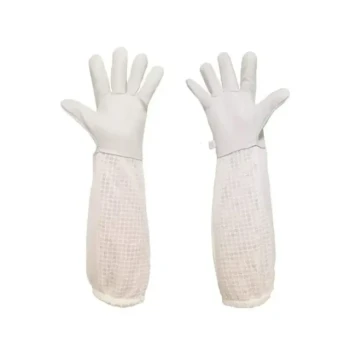
Protective gloves must balance two opposing needs: impenetrability and sensitivity. Professional gloves are heavy-duty and abrasion-resistant to withstand the aggressive defensive behavior of Africanized bees.
However, they must also retain sufficient manual dexterity. This allows the beekeeper to perform refined tasks, such as frame manipulation and hive splitting operations, which are essential for population control and preventing swarming.
Addressing the Specifics of Africanized Aggression
The Color Sensitivity Factor
Africanized bees possess a distinct behavioral trigger: they aggressively target dark-colored objects. While traditional veils are often black to reduce sun glare, managing AHB requires a different approach.
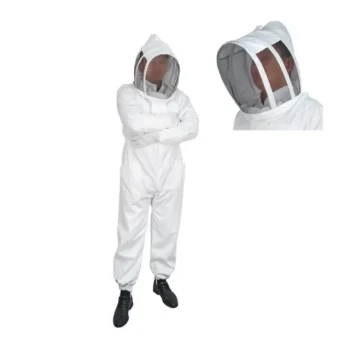
White bee veils are recommended in this context because they significantly reduce visual stimulation for the bees. This simple adjustment decreases the likelihood of mass swarming around the operator's face, preserving the field of vision and lowering the risk of a breach.
Eliminating Entry Points
Africanized bees are not just aggressive flyers; they are tenacious crawlers. A standard suit is often insufficient without secondary sealing protocols.
It is essential to secure the junctions between gloves and sleeves (and pants and boots) with duct tape. This ensures a "zero-exposure" barrier, preventing bees from crawling into gaps during the high-stress inspections typical of AHB management.
The Operational Impact of Safety
Preserving Operator Calm
High-specification gear provides a comprehensive psychological barrier as well as a physical one. When an operator trusts their equipment, they remain calm.
Calm handling is an operational asset. It facilitates precise, gentle movements that reduce colony stress and bee mortality. Conversely, a beekeeper reacting to fear or pain will move jerkily, inciting further aggression and potentially harming the colony.
Ensuring Business Continuity
In commercial apiaries, these consumables are vital for maintaining labor productivity. Comprehensive protection allows for continuous operation during high-frequency hive movements and data monitoring.
By minimizing the disruption caused by defensive attacks, workers can focus on efficient honey collection and standardized management practices rather than retreating from conflict.
Understanding the Trade-offs
Visibility vs. Glare
While white veils are safer for avoiding AHB attacks, they introduce a trade-off regarding optics. White mesh reflects more sunlight than black mesh, potentially causing glare that can strain the eyes during long inspections.
Protection vs. Tactile Feedback
Heavy-duty gloves prevent stings, but they inevitably reduce tactile feedback. This numbness can lead to accidental crushing of bees during frame replacement, which releases alarm pheromones and can escalate the colony's aggression level despite the operator's best intentions.
Making the Right Choice for Your Goal
- If your primary focus is Pest and Disease Management: Prioritize high-transparency veils that maximize contrast, allowing you to spot Varroa mites and assess brood health without removing the protective barrier.
- If your primary focus is Colony Expansion (Splitting): Invest in abrasion-resistant gloves that are specifically articulated for dexterity, ensuring you can separate frames and handle queens without clumsiness.
True mastery of Africanized beekeeping relies on equipment that renders the operator invisible to the bee's aggression while keeping the hive's condition perfectly visible to the operator.
Summary Table:
| Feature | AHB Management Requirement | Operational Benefit |
|---|---|---|
| Veil Mesh Clarity | High Transparency & White Color | Easier queen/mite detection; reduced bee aggression |
| Glove Material | Heavy-duty Abrasion Resistance | Protection against stings during intense defensive behavior |
| Dexterity | High Manual Sensitivity | Precise hive splitting and delicate frame manipulation |
| Sealing Protocol | Zero-exposure Barrier (Duct Tape) | Prevents crawling bees from entering garment gaps |
| Psychological | Total Operator Protection | Maintains calm handling to reduce colony stress and mortality |
Elevate Your Apiary’s Safety and Efficiency with HONESTBEE
Managing Africanized honey bees requires more than just standard gear—it demands professional-grade precision. HONESTBEE specializes in supporting commercial apiaries and distributors with a comprehensive wholesale range of high-performance beekeeping tools and consumables.
From high-transparency white veils and articulated heavy-duty gloves to advanced hive-making and honey-filling machinery, we provide the full spectrum of equipment needed to scale your operations safely. Whether you are stocking essential hardware or honey-themed cultural merchandise, our portfolio is designed to deliver maximum value and durability to the industry.
Ready to upgrade your commercial beekeeping inventory?
Contact HONESTBEE Today to Discuss Our Wholesale Solutions
References
- Enrique Rodríguez Balam, Miguel Pinkus Rendón. Apicultura, entorno y modernidad en localidades de Yucatán, México. DOI: 10.5007/2175-7925.2015v28n3p143
This article is also based on technical information from HonestBee Knowledge Base .
Related Products
- Goatskin Leather Beekeeper Gloves with Vent Long Sleeve for Beekeeping Honey Bee Sting Proof Protection
- Premium Cowboy Beekeeper Hat with Visibility Veil Outdoor Professional Beekeeping Protective Gear
- Heavy Duty Red Rubber Beekeeping Gloves with Extended Pure Cotton Sleeves for Beekeepers
- Professional Cotton Beekeeper Suit with Round Veil Design for Commercial Apiaries
- Beekeeping Gloves Goatskin Leather with Long Cotton Sleeve for Beekeepers
People Also Ask
- What are the characteristics of goatskin beekeeping gloves? Enhance Dexterity and Protection in Your Apiary
- Why is it important to have gloves available even if not always worn? Essential Risk Management for Beekeepers
- What are the primary purposes of using beekeeping gloves? Protect Your Hands and Ensure Apiary Hygiene
- Why do some experienced beekeepers opt not to wear gloves? Discover the Benefits of Tactile Precision
- Why is it important for beekeepers to wear gloves? Essential Safety and Confidence for Hive Management