Queen excluder nets are strategically installed at hive entrances to mechanically prevent worker bees from engaging in their natural hygienic behavior: removing dead larvae. By physically blocking the ejection of chalkbrood "mummies," researchers ensure that these infected samples accumulate at the bottom of the hive or in collection boxes rather than being lost in the field.
The installation of entrance nets is a data integrity measure that counteracts the colony's cleaning instincts. It forces all evidence of infection to remain quantifiable, enabling the precise calculation of larval infection percentages.
The Challenge of Natural Hygiene
The Bees' Cleaning Instinct
Honeybees possess a strong hygienic drive to keep the hive clean and disease-free. Under normal circumstances, worker bees identify dead or dying larvae and physically carry them out of the hive to discard them some distance away.
The Data Collection Problem
If bees are allowed to follow this instinct during a study, the "evidence" of the disease disappears into the surrounding environment. This leads to significantly undercounting the infection rate, as researchers cannot tally samples that have been flown away and dropped in the field.
The Mechanical Solution
Trapping the "Mummies"
Chalkbrood kills larvae, turning them into hard, chalk-like mummies. The queen excluder net acts as a sieve at the entrance. While the mesh size allows adult worker bees to squeeze through for foraging, it is too tight for them to drag a solid mummy through.
Accumulation for Analysis
Because the workers cannot push the mummies through the entrance net, they are forced to drop them. The infected larvae fall to the bottom of the hive or into specific entrance collection boxes, creating a complete inventory of the colony's mortality for that period.
Understanding the Trade-offs
Interference with Colony Operations
While necessary for counting, blocking the entrance disrupts the colony's normal workflow. It prevents the removal of other debris, potentially leading to a buildup of waste material on the bottom board that would normally be ejected.
Potential for Congestion
The net restricts the flow of traffic at the hive's busiest point. During periods of heavy foraging, this hardware can cause congestion at the entrance, potentially stressing the colony if left in place for extended periods without monitoring.
Making the Right Choice for Your Goal
Whether you use entrance restriction depends entirely on the specific data points you require from your apiary study.
- If your primary focus is precise infection quantification: You must install excluder nets to prevent the loss of biological samples (mummies) to the field.
- If your primary focus is observing natural hygienic behavior: You should avoid entrance nets, as they physically impede the specific behavior you are trying to observe.
By temporarily prioritizing sample retention over natural colony hygiene, you transform the hive into a controlled environment capable of yielding accurate statistical data.
Summary Table:
| Feature | Purpose in Chalkbrood Evaluation | Impact on Colony Dynamics |
|---|---|---|
| Hygienic Control | Mechanically blocks workers from removing dead larvae | Counteracts natural cleaning instincts to preserve evidence |
| Data Accuracy | Traps "mummies" inside the hive or collection boxes | Prevents undercounting by ensuring all samples are quantifiable |
| Mesh Sizing | Allows foragers to pass; blocks solid infected larvae | Ensures bees can still work while keeping biological data onsite |
| Operational Trade-off | Temporary entrance restriction | May cause congestion or debris buildup on the bottom board |
Elevate Your Apiary’s Productivity with HONESTBEE
At HONESTBEE, we understand that precision in disease management is key to a thriving commercial operation. As a premier provider for commercial apiaries and distributors, we offer a comprehensive wholesale range of professional beekeeping tools, machinery, and essential consumables.
Whether you are conducting rigorous research requiring queen excluders or scaling your production with our honey-filling machines and hive-making hardware, we deliver the quality and reliability your business demands. Partner with us to access specialized equipment and honey-themed cultural merchandise designed to grow your brand and protect your colonies.
Ready to scale your beekeeping operations? Contact HONESTBEE Today for Wholesale Solutions
References
- Beata Panasiuk, Paweł Węgrzynowicz. Susceptibility of Bee Larvae to Chalkbrood in Relation to Hygienic Behaviour of Worker Bees in Colonies of Chosen Races of Honeybee (Apis Mellifera ). DOI: 10.2478/jas-2014-0012
This article is also based on technical information from HonestBee Knowledge Base .
Related Products
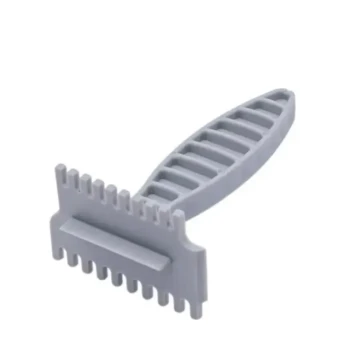
- Lightweight Durable Plastic Queen Excluder Scraper for Beekeeping
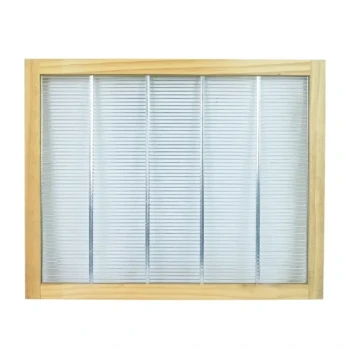
- Premium Wood Framed Metal Wire Queen Bee Excluder
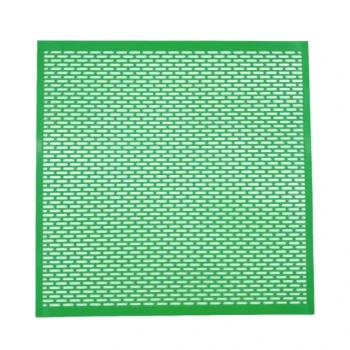
- High Performance Plastic Queen Excluder for Beekeeping and Apiary Management
- Metal Queen Bee Excluder for Beekeeping
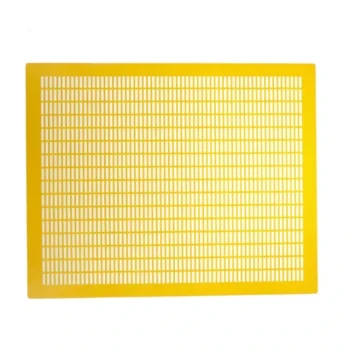
- Professional Plastic Queen Excluder for Modern Beekeeping
People Also Ask
- Why are standardized hive frames and queen excluders essential for maintaining honey purity and quality? Scale Your Purity
- What types of queen excluders are available for beekeepers? Choose the Right Tool for Your Hive
- What are the benefits of using a queen excluder for monitoring and managing the queen bee? Master Hive Control Today!
- What is the purpose of removing queen excluders during the queen bee installation? Maximize Colony Growth Today
- What is a queen excluder in beekeeping? A Guide to Hive Management & Honey Production