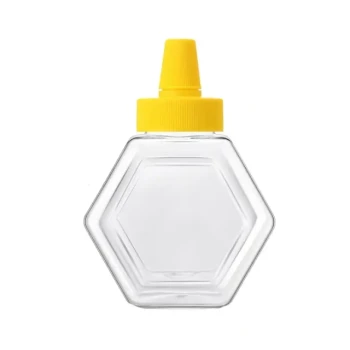
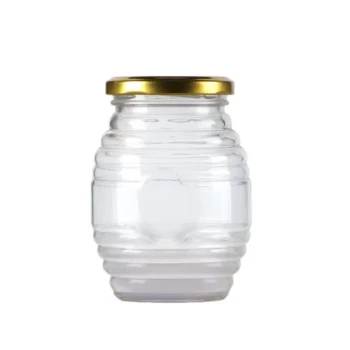
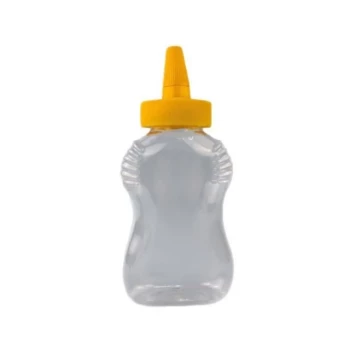
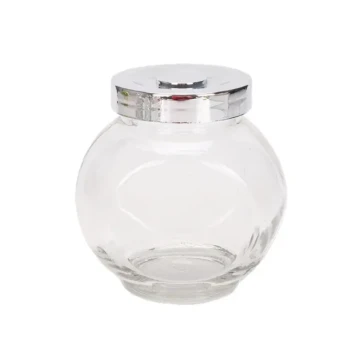
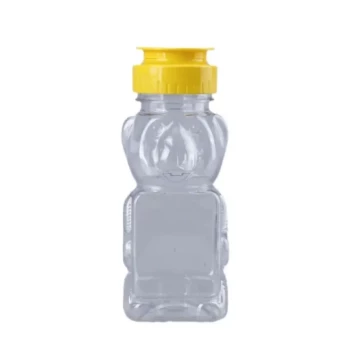
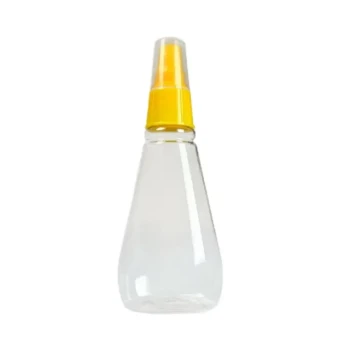
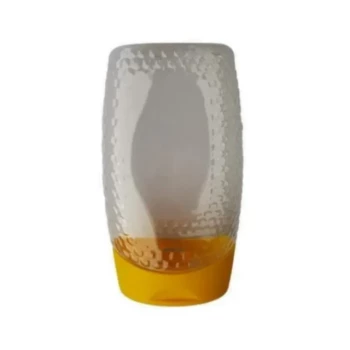
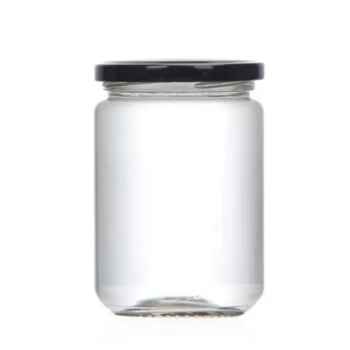
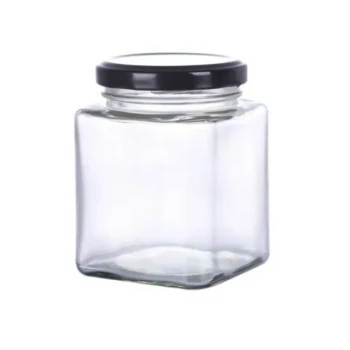
Sealed polyethylene bottles are the preferred primary consumables for honey storage because they combine superior chemical inertness with an airtight moisture barrier. These containers effectively isolate samples from external air and humidity, preventing the hygroscopic absorption that leads to fermentation and oxidative spoilage. By maintaining a stable environment, polyethylene preserves the honey’s physical properties, antioxidant activity, and volatile flavor compounds for periods exceeding 18 months.
Core Takeaway: Polyethylene bottles provide a chemically stable and moisture-proof environment that prevents microbial growth and chemical migration, ensuring the integrity of honey samples for long-term commercial and laboratory analysis.
Ensuring Chemical and Biological Integrity
Superior Chemical Stability and Inertness
Polyethylene is chosen for its exceptional chemical stability, which prevents the container material from reacting with the acidic or phenolic components naturally found in honey. This inertness ensures that no chemical migration occurs between the packaging and the sample, maintaining the purity required for precise trace mineral and element analysis.
Effective Moisture Barrier for Fermentation Control
Honey is highly hygroscopic, meaning it naturally attracts and absorbs moisture from the atmosphere. Sealed polyethylene bottles act as a physical barrier that keeps moisture content below 20%, a critical threshold that inhibits the proliferation of osmophilic yeasts and prevents fermentation.
Microbial Defense and Sterilization
Utilizing sterilization-grade polyethylene eliminates interference from exogenous microorganisms during the collection and storage process. This protection is vital for long-term storage of 18 to 22 months, ensuring that the honey does not spoil due to microbial activity before it can undergo physical or chemical index detection.
Optimizing Commercial Quality Standards
Preserving Volatile Flavor Compounds
The high-sealing capability of these bottles is essential for preserving volatile flavor compounds that define the quality of different honey varieties. By preventing these compounds from escaping, the containers ensure that subsequent physicochemical characterization remains accurate and representative of the original batch.
Protecting Against Environmental Interference
In laboratory and warehouse environments, samples are often exposed to dust, impurities, and fluctuating air quality. Tightly sealed plastic containers provide a controlled physical barrier that isolates the honey from these external stressors, ensuring the reliability of raw data for pollen morphological analysis.
Maintaining Physical Property Consistency
Storage at room temperature (22–24°C) in sealed polyethylene ensures that the honey maintains its original viscosity and physical state. This consistency is vital for distributors and wholesalers who require standardized samples for quality control and B2B transparency.
Understanding the Trade-offs and Pitfalls
Temperature and Light Sensitivity
While polyethylene provides a robust chemical barrier, it does not inherently block all UV light unless specifically treated or pigmented. Samples stored in clear PE bottles must be kept in light-shielded environments to prevent the degradation of light-sensitive antioxidants and enzymes.
Long-Term Permeability Concerns
Although polyethylene is an excellent moisture barrier, it is not entirely gas-impermeable over extremely long periods (several years). For high-stakes long-term archiving, the thickness and grade of the polyethylene must be carefully selected to minimize oxygen transmission that could lead to slow oxidative deterioration.
Risk of Non-Sterile Consumables
Using non-sterilized containers is a common pitfall that can lead to premature fermentation, even if the seal is tight. For B2B resellers, sourcing from a provider that offers a comprehensive, sterilized product portfolio is essential to avoid batch-wide contamination and data inaccuracies.
How to Apply This to Your Sourcing Strategy
Making the Right Choice for Your Goal
- If your primary focus is long-term sample archiving: Prioritize sterilized, high-density polyethylene (HDPE) bottles with thick walls to maximize the moisture barrier and extend the shelf life beyond 20 months.
- If your primary focus is analytical accuracy for export: Select certified chemically inert containers to ensure no leaching occurs, which is critical for meeting stringent international standards for metal and acidity content.
- If your primary focus is supply chain efficiency and reliability: Partner with a one-stop-source provider that offers rapid fulfillment and deep industry expertise to ensure a consistent supply of lab-grade consumables.
By leveraging the chemical and physical advantages of sealed polyethylene, professionals can ensure their honey samples remain a true reflection of their product's quality from the point of collection to final analysis.
Summary Table:
| Key Feature | Benefit for Honey Storage | Impact on Quality |
|---|---|---|
| Chemical Inertness | Prevents reactions with honey acids | Maintains sample purity for analysis |
| Moisture Barrier | Keeps moisture content below 20% | Inhibits yeast growth & fermentation |
| Sterilization Grade | Eliminates exogenous microorganisms | Ensures stability for 18-22 months |
| Airtight Sealing | Preserves volatile flavor compounds | Maintains variety-specific profiles |
| Physical Durability | Protects against dust and impurities | Ensures reliable raw data collection |
Optimize Your Honey Quality Control with HONESTBEE
As a distributor or B2B reseller, ensuring the integrity of your honey samples is non-negotiable for maintaining trust and protecting your profit margins. HONESTBEE caters specifically to commercial apiaries and wholesalers with a one-stop sourcing strategy, providing a comprehensive full-spectrum product portfolio—from lab-grade polyethylene consumables to specialized honey-filling machinery and hardware.
Why Partner with HONESTBEE?
- Comprehensive Sourcing: Access everything from beekeeping tools to honey-themed cultural merchandise in one place.
- Unmatched Reliability: Benefit from ultra-fast delivery, efficient order fulfillment, and high-standard certifications.
- Industry Expertise: Leverage our deep professional knowledge and OEM/ODM support to scale your brand.
- Rapid Response: Our dedicated team provides exceptional customer service to solve your supply chain challenges instantly.
Ready to elevate your supply chain with premium trading services? Contact HONESTBEE today to discuss your wholesale requirements!
References
- Anamika Dhiman, Meenakshi Sharma. An Exploration of Middle Himalayan Range Acacia Honey: its Physical and Antioxidant Capacities. DOI: 10.65041/ijet.2025.16.1.22
This article is also based on technical information from HonestBee Knowledge Base .
Related Products
- Food Grade Plastic Honey Bucket Pail for Beekeeping
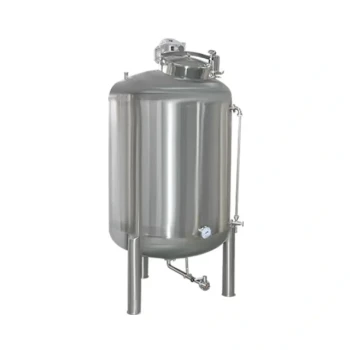
- Stainless Steel Honey Storage Tank with Lid for Honey
- Stainless Steel Honey Storage and Settling Tank with Double Strainer
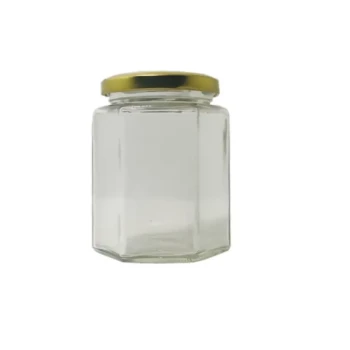
- Hexagonal Glass Honey Jars with Metal Lug Caps Elegant Versatile Packaging
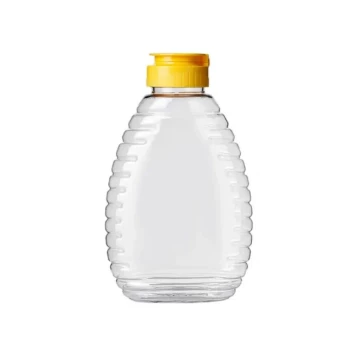
- Classic Beehive Honey Bottle Jar with Squeeze Dispenser Lid
People Also Ask
- What key operational precautions should be taken when using honey buckets and extractors fitted with bottom drain taps?
- What functions do food-grade honey buckets perform? Safeguard Your Harvest and Optimize Apiary Logistics
- Why are food-grade plastic buckets preferred for honey? Protect Quality with Modern Honey Collection Tools
- What is the significance of food-grade plastic honey collection buckets? Boost Quality in Forest Honey Logistics
- What is a honey pail? The Essential Container for Protecting Your Honey's Value