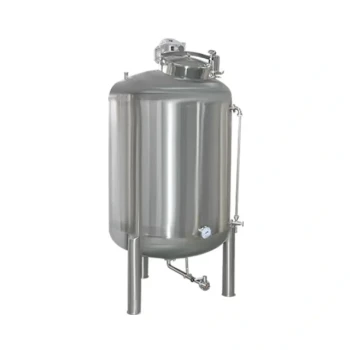
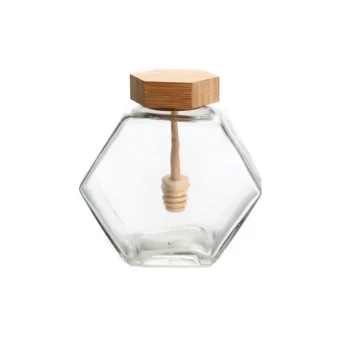
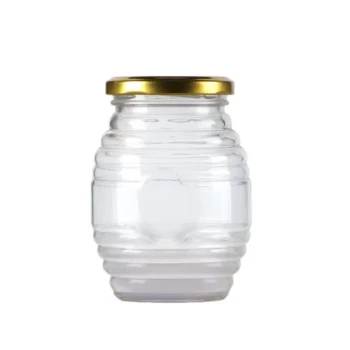
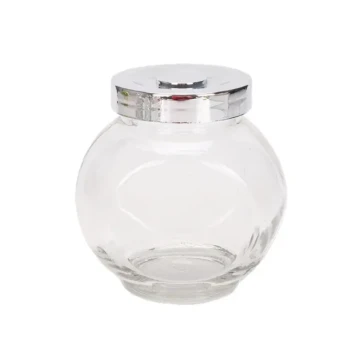
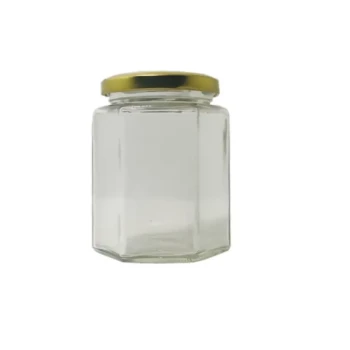
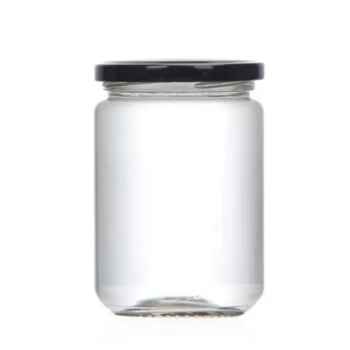
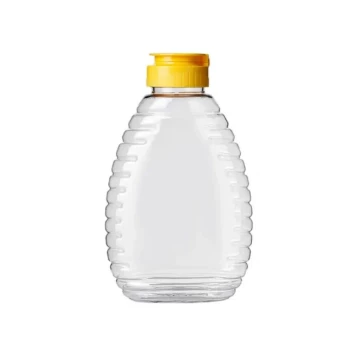
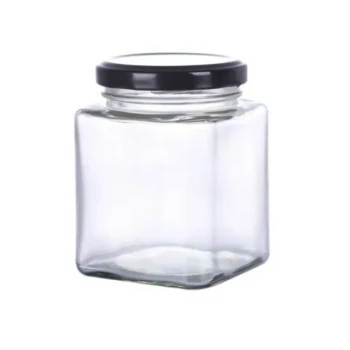
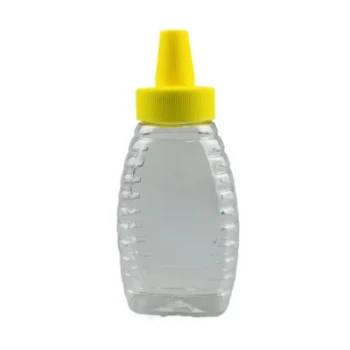
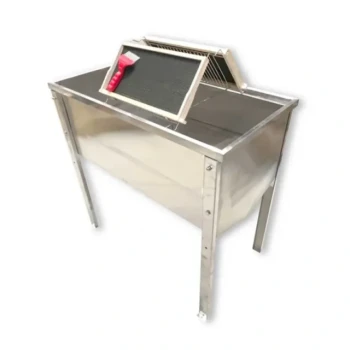
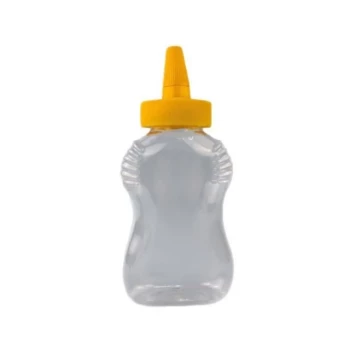
Specialized honey storage vessels act as a critical defense system against honey's natural tendency to degrade. Their primary function is to create a superior sealed environment that prevents the absorption of atmospheric moisture, which is the leading cause of fermentation and spoilage. Furthermore, they utilize chemically inert materials that refuse to react with honey's natural acidity, ensuring the flavor and medicinal properties remain unaltered during long-term storage.
Specialized vessels are not merely containers; they are engineered environments designed to counteract honey’s hygroscopic nature and acidity, preserving its chemical stability, enzymatic activity, and commercial value.
The Science of Moisture Management
Combating Hygroscopy
Honey is highly hygroscopic, meaning it naturally attracts and absorbs moisture from the surrounding air.
Without a specialized, airtight seal, honey will pull humidity into itself until its water content rises to unstable levels.
Preventing Fermentation
When honey absorbs excess environmental moisture, it creates an environment where yeast can thrive.
Specialized vessels provide a barrier that prevents this moisture uptake, thereby inhibiting the growth of microorganisms that cause fermentation and spoilage.
Criticality for High-Moisture Varieties
This moisture protection is even more vital for specific varieties, such as stingless bee honey, which naturally contains higher moisture levels.
For these varieties, professional sealed containers are the only way to maintain a stable environment that preserves the honey's unique biochemical activity.
Chemical Stability and Material Purity
Inert vs. Reactive Materials
Honey is naturally acidic, which can cause it to react with improper storage materials like standard metals or low-grade plastics.
High-quality specialized vessels are made from chemically inert materials (often food-grade stainless steel or specific plastics) that do not corrode or leach into the honey.
Preserving Flavor and Purity
Because the vessel material refuses to react with the honey's acids, the original flavor profile remains uncorrupted.
This inertness ensures that the honey acts only as a food source, not a solvent for the container it sits in, maintaining the purity consumers expect.
Protection from External Contamination
Beyond chemical reactions, these vessels feature superior sealing properties that protect against oxidation and external odors.
This prevents the honey from absorbing strong smells from the environment, which would otherwise compromise its delicate aroma and taste.
Preserving Bioactive Value
Retaining Heat-Sensitive Enzymes
Specialized storage often integrates with temperature control systems to protect heat-sensitive components.
Proper storage preserves critical enzymes like diastase and bioactive substances like flavonoids, which are easily destroyed by heat or improper handling.
Meeting Regulatory Standards
The retention of these biological markers is often required to meet strict physicochemical indicators for commercial sale.
Using professional equipment ensures the final product satisfies regulatory requirements for biological activity and medicinal value.
Understanding the Trade-offs
The Cost of Standardization
While specialized vessels ensure quality, they represent a significant investment compared to generic containers.
However, in contract-based production, these standardized containers are often mandatory consumables to meet traceability requirements and strict quality protocols.
Managing Temperature vs. Sealing
A perfectly sealed vessel protects against moisture but traps heat if the external environment fluctuates.
Therefore, specialized storage must often be paired with temperature-controlled facilities to prevent heat damage or crystallization, as the vessel alone cannot regulate temperature.
Making the Right Choice for Your Goal
To select the appropriate storage solution, you must align the vessel's capabilities with your specific preservation needs.
- If your primary focus is Commercial Distribution: Prioritize vessels with standardized dimensions and certified food-grade inertness to meet traceability and regulatory physicochemical standards.
- If your primary focus is Potency and Nutrition: Select vessels with superior sealing and insulation properties to maximize the retention of heat-sensitive enzymes and bioactive flavonoids.
- If your primary focus is High-Moisture Honey (e.g., Stingless Bee): You must use containers with medical-grade airtight seals to strictly inhibit the rapid fermentation risks associated with higher water content.
Invest in the vessel that respects the chemistry of the honey, rather than one that simply holds the volume.
Summary Table:
| Feature | Protection Mechanism | Primary Benefit |
|---|---|---|
| Airtight Sealing | Prevents hygroscopic moisture absorption | Inhibits fermentation and yeast growth |
| Inert Materials | Avoids reaction with honey's natural acidity | Ensures zero leaching and flavor purity |
| Environmental Barrier | Guards against oxidation and external odors | Maintains delicate aroma and chemical stability |
| Regulatory Compliance | Preserves enzymatic activity (e.g., diastase) | Meets strict international commercial standards |
| Specialized Design | Supports temperature and moisture stability | Essential for high-moisture varieties like stingless bee honey |
Elevate Your Apiary’s Standards with HONESTBEE
Protecting the biological integrity and commercial value of your honey starts with professional-grade equipment. HONESTBEE specializes in supporting commercial apiaries and distributors with a complete wholesale range of beekeeping solutions.
From high-performance specialized storage vessels and honey-filling machines to durable hive-making equipment and essential industry consumables, we provide everything you need to maintain a premium product line.
Ready to scale your production and ensure the highest quality for your customers?
Contact Us Today to Explore Wholesale Opportunities
References
- Prem Raj Gautam, Ramji Gautam. Beekeeping: Practices, Opportunities and Challenges in Deupur, Parbat, Nepal. DOI: 10.3126/zooj.v5i0.34784
This article is also based on technical information from HonestBee Knowledge Base .
Related Products
- Stainless Steel Honey Storage Tank with Lid for Honey
- Stainless Steel Honey Storage and Settling Tank with Double Strainer
- Professional Honey Storage Tank with Agitation System
- Food Grade Plastic Honey Bucket Pail for Beekeeping
- Hexagonal Glass Honey Jar with Wooden Lid Integrated Dipper Elegant Functional Storage
People Also Ask
- What economic role do honey storage tanks play? Boost Your Revenue Through Strategic Inventory Management
- What roles do industrial honey storage tanks and filtration meshes play in processing? Ensure Purity & Consistency
- What is the purpose of a honey storage tank? Streamline Your Honey Processing for Quality & Efficiency
- What are honey storage tanks used for? Essential Features for Quality Preservation and Profit
- How do large honey storage tanks and gravity fall filling systems improve honey packaging efficiency and safety?