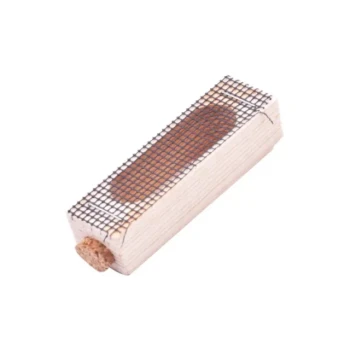
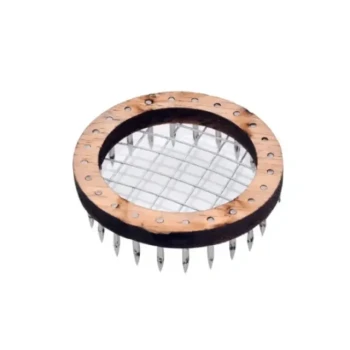
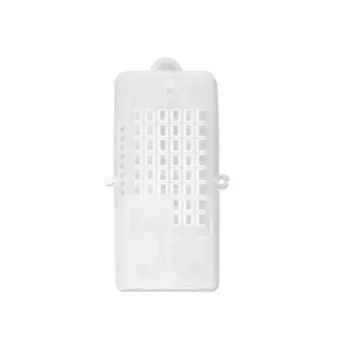
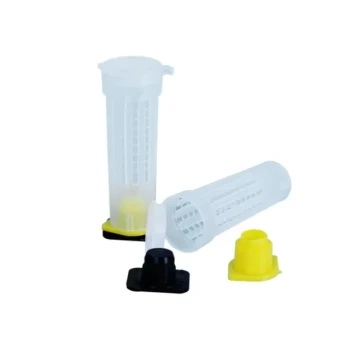
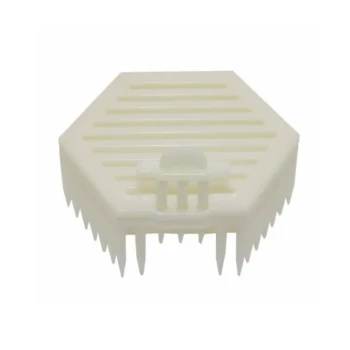
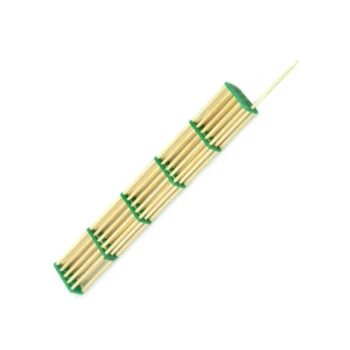
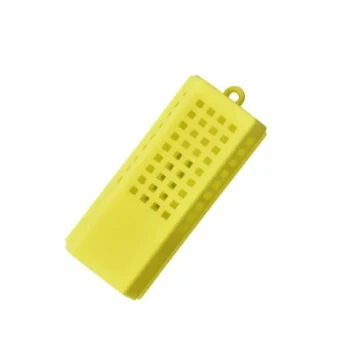
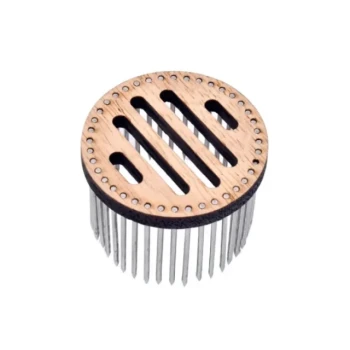
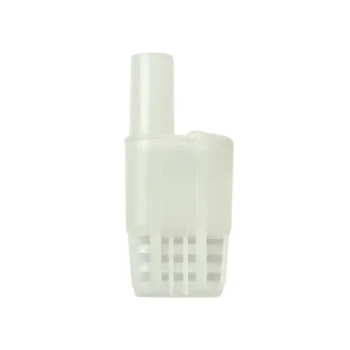
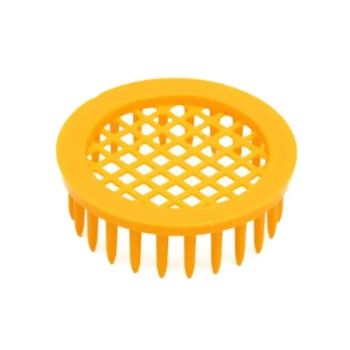
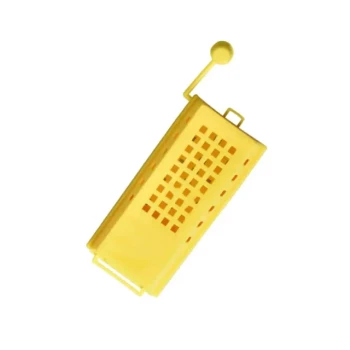
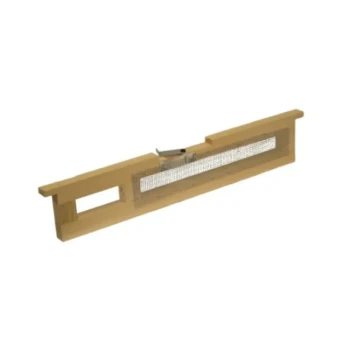
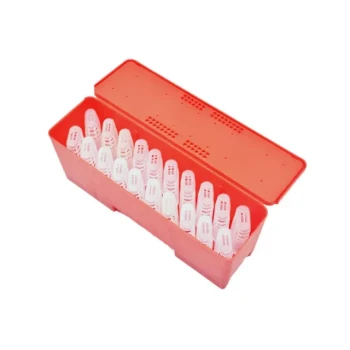
Precision and containment are paramount. Specialized mesh insect rearing cages are the cornerstone of effective beekeeping pest management research, particularly for the artificial breeding and evaluation of hive pests like the Wax Moth. They allow researchers to simulate natural environmental conditions through ventilation while enforcing strict physical boundaries to protect the surrounding ecosystem.
These cages address the critical dual requirement of biological research: maintaining a viable environment for test subjects while ensuring absolute biosecurity to prevent accidental infestations.
Ensuring Experimental Integrity
To derive reliable data from pest management studies, the test environment must be rigorously controlled. Specialized cages provide the mechanical structure necessary to achieve this balance.
Simulating Natural Conditions
For efficacy evaluations to be valid, the test insects must remain healthy until the moment of treatment. The mesh design provides adequate ventilation, ensuring that airflow and humidity levels mimic the pest's natural environment.
Without this airflow, stress on the insects could skew results, leading to false data regarding a pest's resilience or susceptibility.
Enabling Precise Dosing
Accuracy in chemical testing is non-negotiable. These cages strictly limit insect movement, restricting larvae to a specific area.
This confinement ensures that applied pesticide doses make contact with the target exactly as intended. It removes variables caused by insect evasion, allowing for a pure evaluation of the chemical's efficacy.
Managing Biological Risks
Beyond data collection, responsible research requires a commitment to safety. Dealing with pests like the Wax Moth carries inherent risks to nearby agriculture.
Preventing Environmental Contamination
The most significant danger in pest research is the accidental release of the subject. Specialized cages act as a robust physical barrier.
They prevent experimental insects from escaping the lab setting. This is crucial for preventing the contamination of nearby apiaries, ensuring that the solution being tested does not become the cause of a new outbreak.
Understanding the Trade-offs
While specialized mesh cages are essential, they represent a specific engineering compromise that researchers must understand.
Balancing Airflow with Security
The primary challenge in cage design is the tension between containment and life support.
A completely sealed container offers maximum security but kills the subject. A fully open cage supports life but risks escape. The specialized mesh offers the necessary permeability for air exchange while maintaining the structural integrity required to stop pests from breaching the perimeter.
Making the Right Choice for Your Research Goals
Selecting the correct containment system is vital for the validity of your study and the safety of your facility.
- If your primary focus is data accuracy: Prioritize cages that limit movement effectively to ensure every microliter of your treatment reaches the target larvae.
- If your primary focus is biosecurity: Ensure the mesh gauge is fine enough to prevent the specific pest species from escaping to protect local commercial hives.
Reliable pest management research relies on the specialized integration of environmental simulation and rigorous containment.
Summary Table:
| Key Requirement | Role of Specialized Mesh Cages | Impact on Research |
|---|---|---|
| Environmental Simulation | Provides ventilation for natural airflow and humidity. | Ensures subject health for valid resilience data. |
| Physical Containment | Acts as a robust barrier against pest escape. | Prevents contamination of nearby commercial apiaries. |
| Movement Control | Limits larvae to a strictly defined area. | Enables precise chemical dosing and efficacy evaluation. |
| Biosecurity Balance | Optimizes permeability vs. structural integrity. | Maintains life support while ensuring total security. |
Optimize Your Apiary Operations with HONESTBEE
At HONESTBEE, we empower commercial apiaries and distributors with premium wholesale beekeeping solutions. Our comprehensive portfolio covers the full spectrum of industry needs—from high-precision hardware like hive-making and honey-filling machines to essential beekeeping tools and consumables. We also offer a unique range of honey-themed cultural merchandise to help your business stand out.
Whether you are conducting critical pest research or scaling a commercial honey production line, we provide the specialized equipment you need to succeed.
Contact us today to discuss your wholesale needs and explore our full product range!
References
- P. Sabatina, Saravanan PA. Evaluation of Botanical Extracts and Essential Oils against Lesser Wax Moth, Achroia grisella F. (Lepidoptera: Pyralidae) Under Stored Condition. DOI: 10.55278/nbxm2601
This article is also based on technical information from HonestBee Knowledge Base .
Related Products
- Classic Wooden and Mesh California Queen Cage
- Wood and Mesh Push-In Queen Cage
- Professional Multi-Functional Queen Bee Cage
- Premium Nicot Style Queen Rearing Kit with Hair Roller Bee Cages
- Hexagonal Direct Comb Introduction Queen Bee Cage
People Also Ask
- How are queen cages used to protect newly hatched queens? Secure Your Virgin Queens During Development
- Why are queen cages or grid cages used in bee studies? Achieve Precise Biological Data for Research
- Why are professional queen cages necessary for queen replacement? Secure Your Apiary’s Future
- What should be done if bees damage the queen cage? Secure Your Queen with These Emergency Intervention Steps
- What is the correct procedure for installing a queen cage into a new hive? A Pro Guide for Colony Success