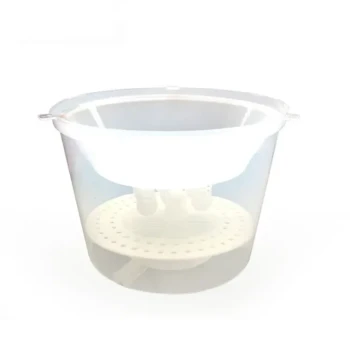
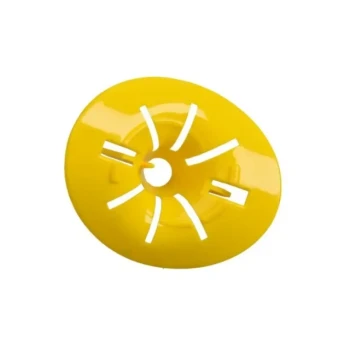
Specialized Pollen Traps act as precision mechanical filters installed directly at the entrance of a beehive. By forcing foraging bees to pass through a specific grid—typically featuring 5.5mm apertures—these devices strip pollen pellets from the bees' hind legs before they enter the colony. This process isolates raw biological samples, allowing researchers to determine exactly which plants the bees visited and what chemical residues are present on those specific crops.
The critical value of a Pollen Trap is its ability to capture data before it is biologically altered by the hive. It provides an immediate, unprocessed snapshot of environmental exposure, linking specific plant sources to specific chemical residues without the cross-contamination found in stored hive food.
The Mechanics of Sample Isolation
Physical Separation at the Entrance
To obtain accurate exposure data, researchers must intercept foragers before they deposit their resources.
A perforated steel plate or similar grid is installed at the hive entrance. As returning bees squeeze through these 5.5mm openings, the physical constriction mechanically dislodges the pollen pellets stored in their pollen baskets.
Preserving Sample Purity
Once inside the hive, bees process pollen into "bee bread" by adding enzymes and honey, or they mix pellets from different sources.
Specialized traps prevent this internal processing. By collecting the pellet immediately, researchers obtain a raw sample that reflects the exact chemical and biological state of the field environment, not the internal chemistry of the hive.
Determining Exposure Pathways
Botanical Identification
Understanding exposure requires knowing exactly where the bees have been foraging.
By analyzing the trapped pellets, researchers can perform botanical identification to see which plant species are currently supporting the colony. This allows for a quantitative comparison between the pollen gathered from a target crop versus surrounding vegetation or weeds.
Direct Residue Measurement
Linking a pesticide to a specific source is often the hardest part of exposure analysis.
Because the pollen is segregated by pellet, scientists can measure residue levels on the pollen of specific crops. This confirms whether the bees picked up contaminants from the treated field or from spray drift on nearby wildflowers.
Real-Time Monitoring
Hive health is dynamic, and exposure events can be fleeting.
Traps enable real-time capture, providing data on the actual pesticide exposure of honeybees on a specific day. This is superior to analyzing stored comb pollen, which represents a historical average rather than a specific exposure event.
Understanding the Trade-offs
Impact on Colony Nutrition
While essential for research, these traps deprive the colony of its primary protein source.
Continuous use of a pollen trap can lead to nutritional stress, potentially weakening the hive or reducing brood rearing. Data collection must be balanced against the nutritional needs of the colony.
Physical Stress on Foragers
The mechanism of the trap is intrusive by design.
Forcing bees through small metal apertures can cause physical stress or minor injury to foragers. It may also slow down the traffic at the hive entrance, temporarily altering the colony's foraging efficiency.
Making the Right Choice for Your Goal
To effectively utilize pollen traps for exposure analysis, align your usage with your specific research objectives.
- If your primary focus is Environmental Surveying: Prioritize the botanical identification of pellets to map the diversity of forage and the proportion of target crops visited.
- If your primary focus is Chemical Safety: Focus on the real-time collection of raw pellets to detect specific pesticide residues on the day of application.
By isolating the sample at the source, specialized pollen traps transform a biological process into a quantifiable dataset.
Summary Table:
| Feature | Pollen Trap Data | Stored Hive Data |
|---|---|---|
| Sample Purity | Raw, unprocessed pellets | Altered "bee bread" (enzymes/honey added) |
| Timing | Real-time daily capture | Historical average of stored resources |
| Source Tracking | Specific crop identification | Mixed botanical sources |
| Contamination | Zero cross-contamination | High risk of hive-internal mixing |
| Analysis Goal | Direct chemical/residue mapping | General colony nutrition assessment |
Maximize Your Colony Insights with HONESTBEE
At HONESTBEE, we understand that for commercial apiaries and large-scale distributors, precision is the foundation of success. Whether you are conducting environmental research or protecting your hives from chemical exposure, our specialized pollen traps and high-performance beekeeping machinery provide the reliability you need.
We supply a comprehensive range of professional tools—from hive-making and honey-filling machines to essential industry consumables and honey-themed cultural merchandise. Partner with us to access wholesale-ready equipment designed for the rigors of commercial beekeeping.
Ready to elevate your apiary management? Contact us today to explore our full product portfolio and discover how our expertise can fuel your growth.
References
- Pilling Edward, Ingo Tornier. A Four-Year Field Program Investigating Long-Term Effects of Repeated Exposure of Honey Bee Colonies to Flowering Crops Treated with Thiamethoxam. DOI: 10.1371/journal.pone.0077193
This article is also based on technical information from HonestBee Knowledge Base .
Related Products
- Removable Plastic Pollen Trap With Ventilated Tray for Bees Pollen Collector
- 30 cm Plastic Entrance Hole Bee Pollen Trap and Collector
- Plastic Bee Pollen Trap Strips Comb Catcher Collector
- High-Efficiency Diamond Maze Bee Escape for Clearing Supers
- Professional Bucket Style Wasp and Moth Pheromone Trap
People Also Ask
- What are the design principles and advantages of pollen traps in the collection of bee pollen? Boost Your Apiary Yield
- What is the function of professional pollen traps in evaluating honey plants? Quantifying Pollination and Crop Potential
- What functions do pollen traps serve for bee bread production? Optimize Your Raw Material Collection
- What maintenance and pest prevention measures should be taken for pollen traps? Protect Your Hive and Harvest Quality
- How does the use of pollen traps in honeybee hives enhance crop fertilization? Boost Your Yield Through Induced Activity