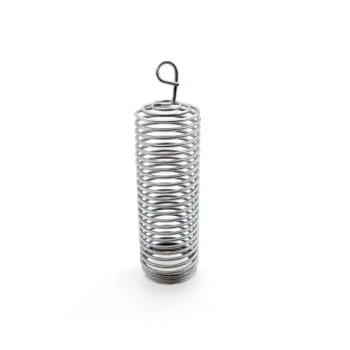
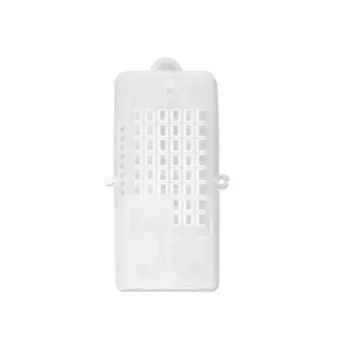
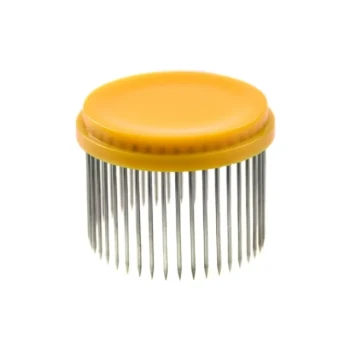
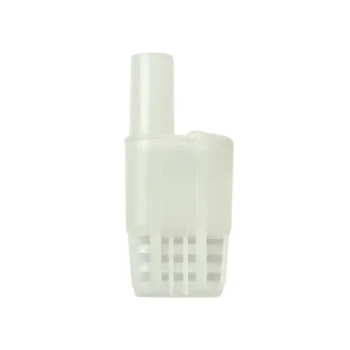
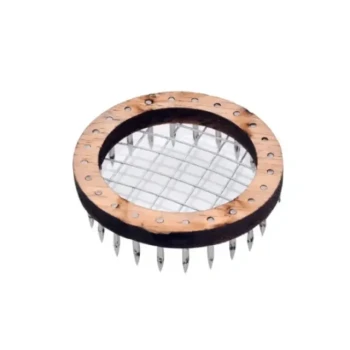
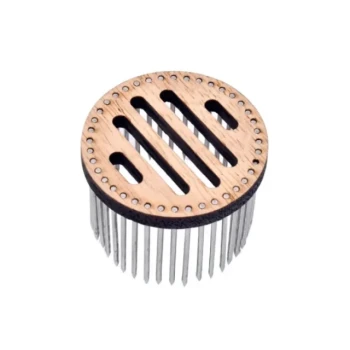
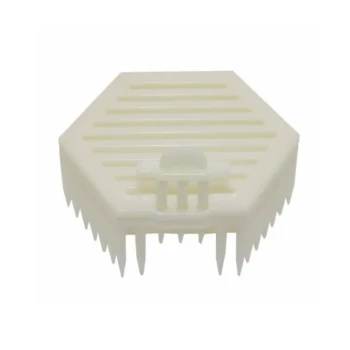
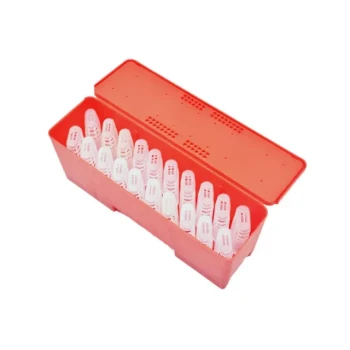
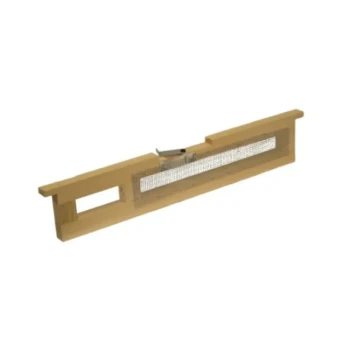
Specialized Queen Cages and modified frames serve one critical function: they physically restrict the queen to halt egg-laying for a precise period, typically 24 to 25 days. This artificial pause creates a temporary "broodless" state within the colony, stripping Varroa mites of their reproductive habitat. By forcing all mites onto adult bees, beekeepers can target them when they are most exposed.
The ultimate goal of Queen Caging is not just to confine the queen, but to synchronize the colony’s biological cycle against the Varroa mite. By eliminating capped brood, you force every mite into the vulnerable "phoretic" stage, maximizing the efficacy of subsequent treatments.
Disrupting the Biological Cycle
The primary reason for using these tools is to intervene in the natural rhythm of the hive. This is a strategic pause rather than a permanent halt.
Halting Reproduction
The modified frames or cages physically separate the queen from empty comb. This prevents her from depositing eggs while allowing her to remain within the colony environment.
The 24-Day Window
The restriction period is typically set for 24 to 25 days. This duration is not arbitrary; it is calculated based on the development time of bee brood.
By stopping new eggs for this duration, you allow all existing eggs, larvae, and pupae to mature and emerge. At the end of this cycle, the hive contains no capped brood whatsoever.
Forcing the Phoretic Stage
The "Deep Need" for this technology is to remove the Varroa mite's primary defense mechanism: the wax capping of the brood cell.
Eliminating the Sanctuary
Varroa mites reproduce inside capped brood cells. Inside these cells, they are shielded from many external threats and chemical applications.
100% Exposure
When the hive becomes broodless, mites have nowhere to hide. They are forced into the "phoretic" stage, meaning they must reside on the bodies of adult bees.
This migration from the comb to the bee makes the entire mite population accessible. They are no longer protected by the physical barrier of the brood cap.
Maximizing Treatment Efficiency
The specialized equipment is essentially a force multiplier for your mite treatments.
Vulnerability to Chemicals
Chemical treatments are significantly more effective when applied to phoretic mites compared to mites hidden under cappings.
Improving Kill Rates
Because the mites are exposed on the bees' bodies, the treatment contacts nearly the entire mite population. This results in a greatly improved kill rate compared to treating a hive with a full brood cycle.
Understanding the Trade-offs
While effective for mite control, utilizing Queen Caging technology requires careful management of the colony's resources.
Paused Colony Growth
Stopping the queen for 24-25 days means no new bees are produced during that cycle. You are trading a month of population growth for higher sanitary health.
Timing Precision
Success depends on adhering to the specific timeline. Releasing the queen too early leaves capped brood in the hive, giving mites a place to survive the treatment.
Making the Right Choice for Your Management Strategy
Deciding to use specialized cages or modified frames depends on your specific goals for colony health and chemical management.
- If your primary focus is Treatment Efficacy: Use this method to ensure your chemical applications reach close to 100% of the mite population by removing their ability to hide.
- If your primary focus is Chemical Reduction: Use this technique to achieve high kill rates with single-application treatments, rather than relying on long-term, repeated chemical exposure.
Queen Caging transforms mite control from a game of chance into a calculated, highly effective biological strike.
Summary Table:
| Feature | Purpose in Queen Caging (QC) | Benefit to Beekeeper |
|---|---|---|
| Queen Restriction | Halts egg-laying for 24-25 days | Synchronizes colony cycle to eliminate mite habitat |
| Broodless State | Removes all capped brood cells | Forces mites into the vulnerable phoretic stage |
| Phoretic Exposure | Strips mites of their wax 'sanctuary' | Increases chemical treatment kill rates significantly |
| Single Treatment | Focuses treatment on a specific window | Reduces overall chemical reliance and labor costs |
Maximize Your Colony Health with HONESTBEE
Are you ready to elevate your Varroa management strategy? HONESTBEE specializes in supporting commercial apiaries and distributors with high-performance beekeeping tools. From specialized Queen Cages and modified frames to advanced honey-filling machines and industrial-grade hardware, we provide the full spectrum of equipment needed to scale your operations.
Our wholesale solutions empower you to achieve 100% treatment efficacy while reducing chemical dependency. Contact us today to explore our comprehensive machinery and consumables catalog and see how our expertise can drive your business forward.
References
- Monica Vercelli, Teresina Mancuso. Biotechnical Control of Varroa in Honey Bee Colonies: A Trade-Off between Sustainable Beekeeping and Profitability?. DOI: 10.3390/insects14100830
This article is also based on technical information from HonestBee Knowledge Base .
Related Products
- Professional Queen Bee Introduction and Transport Cage
- Classic Wooden and Mesh California Queen Cage
- Professional Queen Cage with Sliding Gate and Feeder Plug
- Durable Galvanized Steel Spring Queen Bee Cage
- Professional Multi-Functional Queen Bee Cage
People Also Ask
- Why are specialized queen bee cages used for the banking of mated queen bees? Maximize Commercial Apiary Storage Efficiency
- What is the mechanism of action for using temporary queen bee cages? Master Successful Queen Introduction
- How is a queen bee released from a queen cage? Ensure Safe Colony Integration & Hive Success
- What materials are required to install a queen bee's cage into a hive? Essential Tools for Successful Queen Integration
- How long should a queen bee stay in the cage before being released? Ensure a Successful Introduction