The necessity of specialized sterile sampling containers and tools lies in their ability to guarantee the biological and chemical integrity of a sample. Without these specific instruments, the risk of cross-contamination and environmental exposure renders laboratory results unreliable. They are the primary defense against introducing foreign pathogens or degrading the sample before it reaches the laboratory for the detection of viruses, bacteria, and parasites.
Core Insight The accuracy of a laboratory diagnosis is defined by the quality of the sample collection. Specialized sterile tools are not merely accessories; they are the fundamental control mechanism that prevents cross-contamination and sample degradation, ensuring that diagnostic data accurately reflects the true health status of the hive.
Preserving Sample Integrity for Accurate Diagnosis
Preventing Cross-Contamination
The primary function of sterile containers is to create an isolated environment for samples collected from different sites. As highlighted in standard protocols, this isolation prevents the transfer of pathogens between apiaries. Without this barrier, a sample from a healthy hive could test positive due to residue from a previously sampled infected hive.
Maintaining the Original Pathogen State
Laboratory analysis aims to detect the specific viral, bacterial, or parasitic load present at the exact moment of collection. Specialized containers are designed to seal immediately, locking in the "original pathogen state." This ensures that the matrix analyzed in the lab is identical to the biology inside the hive, rather than a culture of bacteria that proliferated during transport.
Ensuring Physical Safety of the Specimen
Diagnosing conditions such as Nosemosis and Varroosis requires intact specimens. Specialized collection tools allow for the extraction of live or fresh honeybees without causing physical damage. Crushed or compromised bee samples can obscure diagnostic markers, making accurate identification of diseases difficult or impossible.
Controlling Environmental Variables
blocking Moisture and Preventing Spoilage
External environmental factors pose a significant threat to sample stability, particularly for honey or nectar samples. Sterile containers provide a hermetic seal that blocks the absorption of atmospheric moisture. This prevents the sample from undergoing fermentation or spoilage, which would alter the microbial activity and render the determination of initial moisture content impossible.
Ensuring Chemical Purity
When testing for antibiotic residues or chemical contaminants, the container itself must not introduce interference. Disposable sterile sampling tubes ensure biosafety and prevent chemical cross-contamination. Furthermore, specialized transport boxes prevent contact with environmental metal dust, which could skew chemical analysis or degrade the physicochemical properties of the sample.
Managing Heat and Leakage
Heat can rapidly degrade biological samples and alter the physical properties of honeycomb. Specialized transport boxes are structurally designed to maintain stability and prevent honey leakage. By shielding the sample from heat and physical stress, these tools preserve the integrity required for high-precision analysis.
Understanding the Risks of Improper Sampling
The Cost of False Data
The trade-off for avoiding specialized equipment is the generation of compromised data. Using non-sterile or improvised tools introduces variables—such as secondary bacterial growth or chemical leaching—that laboratories cannot filter out.
Biosafety Risks During Transport
Standardized tools do more than protect the sample; they protect the environment outside the sample. Proper sealing mechanisms prevent the escape of parasites or pests during transport. This containment is critical when mapping pest distributions to ensure that the monitoring process itself does not become a vector for spreading disease.
Making the Right Choice for Your Goal
To ensure your sampling efforts yield actionable data, align your equipment choice with your specific objective:
- If your primary focus is Pathogen Detection (Viruses/Bacteria): Prioritize sterile containers with immediate sealing capabilities to prevent cross-contamination and preserve the specific microbial load.
- If your primary focus is Chemical/Residue Analysis: Use disposable sterile tubes and metal-free transport boxes to ensure high sealing performance and absolute chemical purity.
- If your primary focus is Pest Monitoring (Varroa/Nosema): Utilize specialized extraction tools that preserve the physical structure of the bee to facilitate accurate visual and microscopic diagnosis.
Reliable disease monitoring depends less on the sophistication of the laboratory and more on the discipline of the collection process.
Summary Table:
| Requirement | Function of Specialized Tools | Impact on Diagnosis |
|---|---|---|
| Contamination Control | Isolation via sterile barriers | Prevents false positives from cross-site pathogens. |
| Sample Stability | Hermetic sealing and moisture blocks | Stops fermentation and preserves original pathogen state. |
| Physical Integrity | Gentle extraction and secure transport | Keeps specimens intact for accurate microscopic analysis. |
| Chemical Purity | Use of medical-grade disposable tubes | Eliminates chemical leaching and interference in residue testing. |
| Biosafety | Leak-proof containment mechanisms | Prevents the spread of pests/parasites during transit. |
Secure Your Apiary’s Future with HONESTBEE
Reliable disease monitoring starts with the right equipment. HONESTBEE provides commercial apiaries and distributors with high-quality, specialized beekeeping tools and laboratory-grade consumables designed to protect your biological integrity. From hive-making machinery to sterile sampling essentials, we empower your business to maintain the highest industry standards.
Ready to elevate your operations? Contact us today to explore our wholesale solutions and discover how our comprehensive portfolio can support your success.
References
- Do-Kyung Ra, Sung-Mo Lee. Prevalence of honeybee diseases in Incheon area in 2011. DOI: 10.7853/kjvs.2012.35.2.111
This article is also based on technical information from HonestBee Knowledge Base .
Related Products
- 5 Gallon Pail Opener Bucket Opener Tool for Honey Bucket
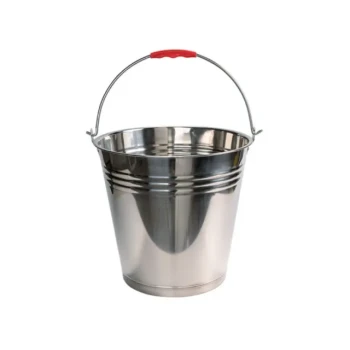
- Premium Stainless Steel Honey Tank Bucket Pail with Reinforced Handle and Polished Finish
- Inverted Squeezable Honey Jar with No Drip Flip Top Cap for Easy Pouring
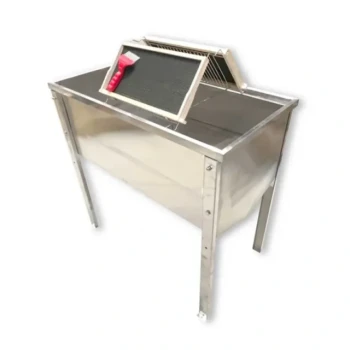
- Stainless Steel Uncapping Tank with Stand and Strainer
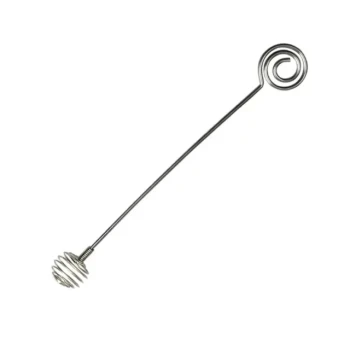
- Modern Stainless Steel Honey Dipper Stirrer
People Also Ask
- What is a bucket opener? The Essential Tool for Safe and Efficient Lid Removal
- Is it advisable to use a screwdriver instead of a bucket opener? Avoid Injury and Container Damage
- What are the benefits of using a bucket opener? Boost Safety & Efficiency in Your Operations
- What are the main benefits of using a bucket opener? Enhancing Safety and Preservation
- How does a bucket opener contribute to food safety and product quality? Ensure a Clean, Contaminant-Free Seal Break