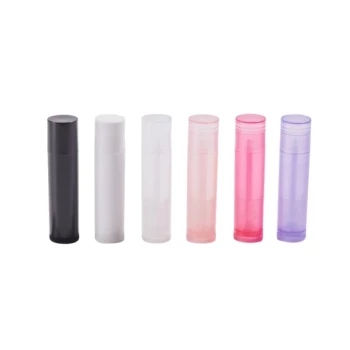
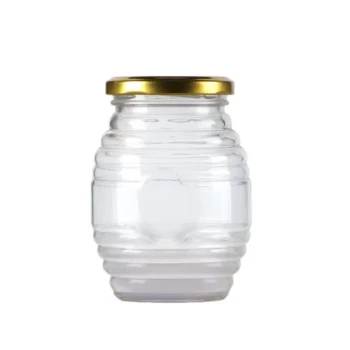
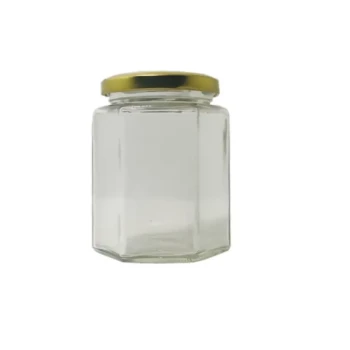
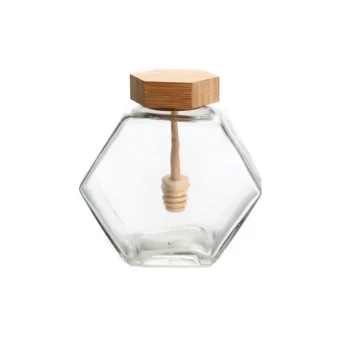
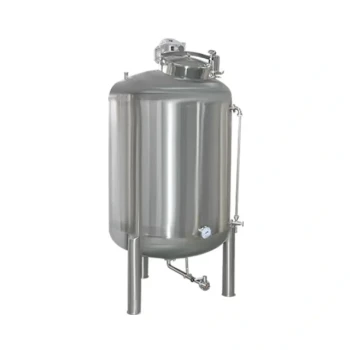
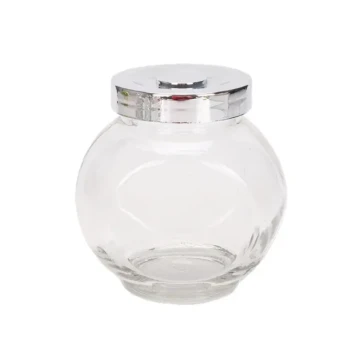
The chemical stability and impermeability of stainless steel and glass make them the superior choices for preserving the integrity of beeswax over time. Beeswax is naturally highly adsorbent; using these non-porous materials creates a secure seal that isolates the wax from environmental odors, prevents moisture loss, and stops the absorption of external contaminants.
Core Takeaway Beeswax acts like a sponge for environmental scents and chemicals. Stainless steel and glass are recommended because they are chemically inert, preventing the wax from leaching contaminants or losing its distinct natural aroma and color characteristics during long-term storage.
The Chemistry of Preservation
To understand why specific containers are required, you must first understand the inherent vulnerabilities of beeswax.
Preventing Environmental Adsorption
Beeswax is not a passive substance; it is highly adsorbent. This means it actively attracts and holds onto molecules from its environment.
If stored in porous containers or materials that off-gas (like certain plastics), the wax will absorb those distinct odors.
Stainless steel and glass provide a dense, non-porous barrier. This isolation is critical to ensuring the wax retains its own scent rather than acquiring the smell of a garage, warehouse, or plastic bin.
Chemical Inertness and Stability
Long-term storage requires materials that will not react with the stored substance.
Stainless steel is selected for its exceptional oxidation and corrosion resistance. It does not degrade or rust, even in environments with fluctuating humidity.
Similarly, glass is chemically unreactive. Neither material will leach chemicals into the wax, ensuring the material remains pure enough for high-grade applications like cosmetics or food processing.
Maintaining Sensory Characteristics
Beyond purity, the value of beeswax often lies in its physical properties—specifically its smell and appearance.
Locking in Natural Aroma
The characteristic scent of beeswax is volatile and can dissipate if exposed to air.
Glass and steel containers allow for a secure seal. This prevents the evaporation of the wax's natural volatile compounds.
By creating an airtight environment, you ensure the wax smells as fresh years later as it did on the day it was processed.
Preserving Specific Color
The color of beeswax can be altered by environmental factors and oxidation.
The secure isolation provided by these containers helps maintain specific color characteristics.
This stability is vital if the wax is intended for uses where visual consistency is required, such as candle making or optical research.
Understanding the Trade-offs
While stainless steel and glass are the technical gold standard, they come with practical limitations you should consider.
Fragility vs. Opacity
Glass is excellent for visibility, allowing you to inspect the wax without breaking the seal. However, it is physically fragile and prone to breakage during transport.
Stainless steel offers superior durability and structural stability, but it is opaque. You cannot visually monitor the condition of the wax without opening the container and breaking the seal.
The Problem with Plastic
It is often tempting to use plastic due to cost and durability.
However, standard plastics are generally permeable at a molecular level.
Over a long period, plastic allows for air exchange and odor absorption, which directly compromises the quality of the beeswax in a way that steel and glass do not.
Making the Right Choice for Your Goal
Select your storage method based on how you intend to use the beeswax in the future.
- If your primary focus is Cosmetic or Food Use: Prioritize Glass or Food-Grade Stainless Steel to ensure zero chemical leaching and absolute odor purity.
- If your primary focus is Bulk Storage in Industrial Environments: Choose Stainless Steel for its resistance to corrosion and physical damage in rougher environments.
- If your primary focus is Long-Term Archive: Ensure the seal is airtight to prevent moisture loss, regardless of whether you choose glass or steel.
By eliminating external variables through inert packaging, you allow processed beeswax to be stored indefinitely without degradation.
Summary Table:
| Feature | Stainless Steel | Glass | Plastic (Not Recommended) |
|---|---|---|---|
| Chemical Stability | High (Inert) | High (Inert) | Low (Leaching risk) |
| Permeability | Non-porous | Non-porous | Slightly Permeable |
| Durability | High (Impact resistant) | Low (Fragile) | Moderate |
| Best For | Bulk/Industrial Storage | Cosmetic/Food Grade | Short-term only |
| Visual Inspection | Opaque | Transparent | Varies |
Elevate Your Apiary Operations with HONESTBEE
Preserving the quality of your beeswax is just the first step in maintaining a successful commercial apiary. HONESTBEE is dedicated to supporting commercial apiaries and distributors with high-performance solutions. We provide a comprehensive wholesale range, including:
- Advanced Machinery: Specialized hive-making and honey-filling machines for industrial efficiency.
- Professional Equipment: A full spectrum of beekeeping tools designed for durability and precision.
- Essential Consumables: Every industry-standard supply needed to keep your operation running smoothly.
- Cultural Merchandise: Unique honey-themed products to expand your market reach.
Whether you are scaling your production or looking for a reliable wholesale partner, our team is ready to provide the hardware and expertise you need to thrive.
Contact HONESTBEE today to discuss your wholesale requirements
References
- Tesfu Shegaw, Desalegne Begna. Assessment on Beeswax Production, Processing and Marketing in Selected Districts of Kafa Zone, Southern Nations Nationalities and Peoples Region (SNNPR), Ethiopia. DOI: 10.7176/fsqm/119-03
This article is also based on technical information from HonestBee Knowledge Base .
Related Products
- HONESTBEE Classic Twist Up Lip Balm Tubes
- Classic Glass Honey Jar with Metal Lug Cap for Beehive Storage
- Plastic Transporting Bee Packages and Nuc Boxes for Beekeeping
- Food Grade Plastic Honey Bucket Pail for Beekeeping
- Assembled Wooden Bee Frames with Beeswax Foundation Ready to Use by HONESTBEE
People Also Ask
- What are the technical advantages of using wide-mouth lids as containers for syrup medication? Ensure Hive Safety
- What is the primary purpose of using disposable sterile sampling tubes? Ensure Pure Honey Antibiotic Testing
- Why is lemon oil the most effective additive for promoting honeycomb construction? Boost Your Hive Building Efficiency
- Why must light-proof storage bottles be used in the royal jelly harvesting process? Protect Bioactive Potency
- Why are 0.5 ml small-capacity centrifugal tubes used for nectar and honey samples? Ensure Precise Sample Integrity