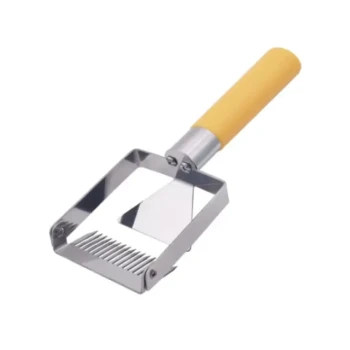
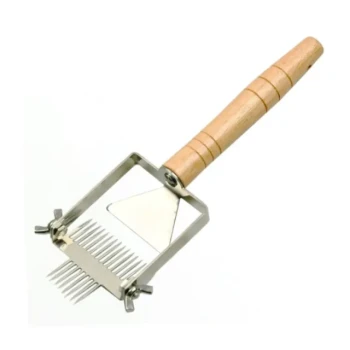
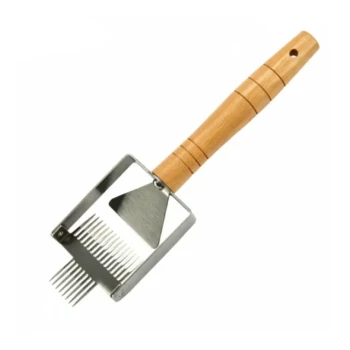
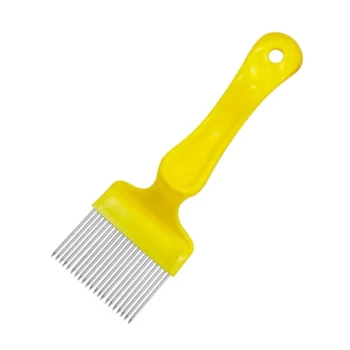
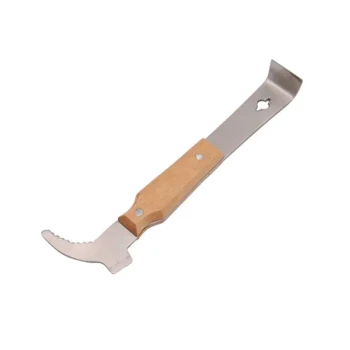
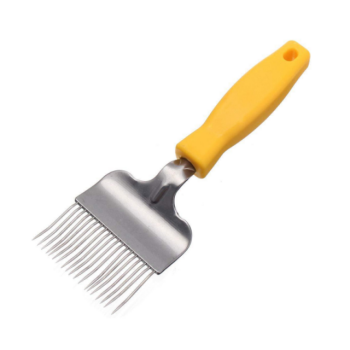
Precision in field sampling is the prerequisite for accuracy in the laboratory. Standardized high-precision cutting tools are required for collecting bee bread and honey to extract samples of a fixed, specific size—typically 5 cm x 5 cm. This mechanical standardization ensures that the volume and mass of the analysis matrix remain highly consistent across all samples.
Core Takeaway By mandating a fixed sample size, high-precision tools eliminate variable inputs that distort laboratory data. This consistent initial mass base is essential for reducing physical error and ensuring the valid quantitative analysis of multi-residue pesticides.
Ensuring Data Integrity Through Standardization
The Necessity of Fixed Dimensions
To analyze a hive effectively, researchers cannot rely on visual estimation to determine sample size. High-precision cutting tools are designed to excise sections of honeycomb with exact dimensions, such as the standard 5 cm x 5 cm square. This creates a uniform "analysis matrix," ensuring that every sample collected represents the same physical volume of the hive structure.
Establishing a Reliable Mass Base
Quantitative analysis, particularly for multi-residue pesticides, relies heavily on the ratio of chemical residue to the total sample mass. By using precision tools to standardize the physical volume, researchers establish a reliable initial mass base. This reduces the mathematical variance that occurs when calculating concentrations from irregular or unevenly sized chunks of comb.
Minimizing Physical Sampling Errors
Manual collection without standardized guides invites human error, resulting in irregular sample shapes and inconsistent data. High-precision tools significantly reduce these physical errors during the collection process. By removing the variability of the human hand, the data reflects the actual chemical state of the colony rather than the inconsistencies of the sampling technique.
Critical Considerations and Trade-offs
Precision vs. Contamination Risks
While high-precision tools ensure physical consistency, they introduce a vector for cross-contamination if not managed correctly. As noted in broader sampling protocols, tools must be sterilized between uses to prevent the transfer of trace chemicals or pathogens. Precision in cutting is rendered useless for chemical analysis if the blade carries residues from a previous hive.
Sample Integrity During Extraction
The goal of using specialized tools is not just to cut, but to preserve the sample's structure. Aggressive or blunt cutting can crush the comb, forcing honey or bee bread out of cells and altering the sample's physical state. Proper high-precision tools should cut cleanly to maintain the integrity required for accurate downstream laboratory testing.
Making the Right Choice for Your Goal
- If your primary focus is quantitative pesticide analysis: Prioritize tools that guarantee a fixed geometric area (e.g., 5 cm x 5 cm) to ensure a consistent mass base for concentration calculations.
- If your primary focus is biological or pathogen testing: Ensure your high-precision tools are made of materials that can be rigorously sterilized to prevent cross-contamination between colonies.
Consistency in the field is the only way to guarantee certainty in the data.
Summary Table:
| Feature | Importance in Sampling | Impact on Research |
|---|---|---|
| Fixed Dimensions | Ensures exact 5 cm x 5 cm volume | Creates a uniform analysis matrix |
| Mass Consistency | Eliminates variable sample weights | Reduces mathematical variance in results |
| Clean Cutting | Preserves physical comb structure | Maintains integrity of the sample state |
| Standardization | Minimizes manual human error | Guarantees reliable quantitative analysis |
Elevate Your Beekeeping Operations with HONESTBEE
At HONESTBEE, we understand that precision in the field is the foundation of success for commercial apiaries and distributors. Whether you are conducting rigorous chemical analysis or scaling up production, our professional-grade beekeeping tools and machinery are designed to meet the highest industry standards.
From high-precision sampling tools to advanced honey-filling and hive-making machines, we provide the full spectrum of equipment and consumables needed to optimize your business. Partner with us to gain access to a comprehensive wholesale portfolio and expert support tailored to your growth.
Ready to upgrade your equipment? Contact us today to explore our full range of solutions and see how HONESTBEE can deliver unparalleled value to your apiary.
References
- Marco Bergero, Carmine Merola. Agrochemical Contamination of Honey and Bee Bread Collected in the Piedmont Region, Italy. DOI: 10.3390/environments8070062
This article is also based on technical information from HonestBee Knowledge Base .
Related Products
- Classic Wooden Bee Brush with Double-Row Boar Bristles
- Professional Stainless Steel Pry-Bar Hive Tool
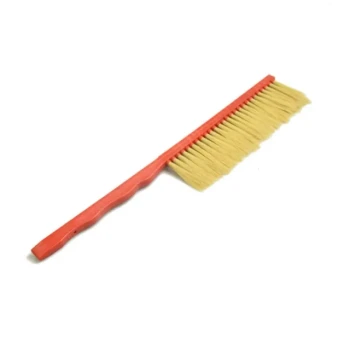
- Plastic Handle Single Row Artificial Fiber Bee Brush
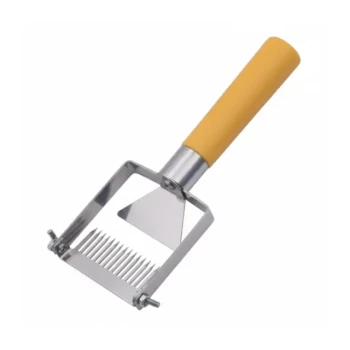
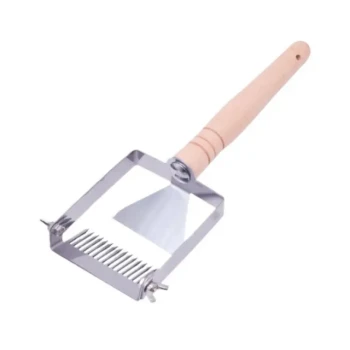
- Adjustable Stainless Steel Honey Uncapping Fork with Plastic Handle for Beekeeping
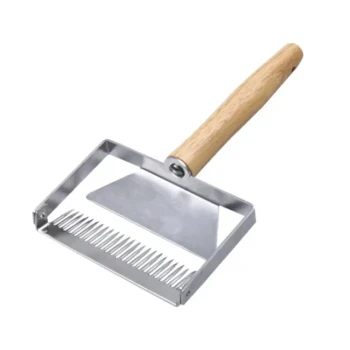
- Professional Wide Blade Honey Scraper for Beekeeping and Honey Processing
People Also Ask
- What are the key features of a popular bee brush? Essential Design for Bee Safety and Hive Hygiene
- What are the key characteristics of the bristles on a bee brush? Master Gentle and Efficient Bee Removal
- What is a bee brush and what is its primary use? A Gentle Tool for Hive Management
- What is the purpose of using a bee brush during the inspection of hive components? Safe & Precise Hive Management
- What is the specific function of a bee brush? Ensure Pure Harvests and Colony Welfare During Honey Extraction