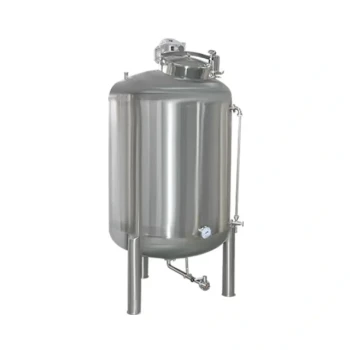
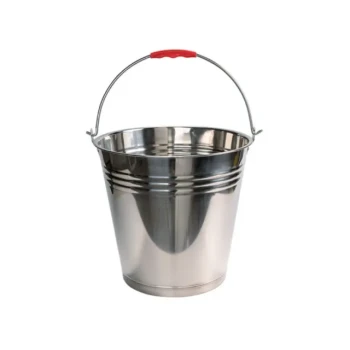
Standardized packing and storage facilities are essential for maintaining the chemical stability and commercial viability of honey. These facilities prevent quality degradation by providing temperature-controlled, light-shielded, and dry environments that inhibit the rise of Hydroxymethylfurfural (HMF). Furthermore, they enable precise inventory management, ensuring that the honey retaining its natural bioactive components reaches the consumer before spoilage occurs.
Core Takeaway Standardized infrastructure transforms honey from a raw, vulnerable agricultural output into a stable, traceable commercial product. By strictly controlling environmental factors like temperature and moisture, these facilities bridge the gap between basic beekeeping and high-end regulatory market requirements.
Preserving Chemical Quality and Bioactivity
The primary technical function of these facilities is to arrest the natural degradation processes of raw honey. Without environmental controls, honey loses the specific chemical markers that define its quality.
Controlling Hydroxymethylfurfural (HMF) Levels
Heat is the enemy of honey quality. Standardized storage facilities utilize temperature control systems to keep ambient heat low.
This prevents the spike in Hydroxymethylfurfural (HMF), a chemical compound that increases as honey is heated or aged. High HMF levels indicate quality deterioration and can disqualify honey from high-end markets.
Protecting Natural Bioactive Components
Honey contains sensitive enzymes and bioactive compounds that provide its health benefits.
Standardized facilities provide light-shielded environments to prevent photo-oxidation, which can degrade these components. This ensures the product retains its nutritional value from the hive to the shelf.
Preventing Fermentation
Raw honey is hygroscopic, meaning it absorbs moisture from the air.
Standardized facilities and airtight packaging create a dry, hermetically sealed environment. This prevents moisture absorption, which is the leading cause of fermentation and souring.
Optimizing Logistics and Inventory Flow
Beyond chemistry, standardization addresses the physical challenges of moving heavy, viscous liquids through a supply chain.
Implementing First-In, First-Out (FIFO)
Honey has a shelf life regarding its peak freshness and enzymatic activity.
Facilities equipped with modern inventory management systems ensure a First-In, First-Out (FIFO) protocol. This prevents older stock from languishing in the back of a warehouse, ensuring consistent freshness for distributors.
Reducing Breakage and Loss
Non-standardized shipping methods often lead to physical loss during transport.
Standardized packaging allows for uniform stacking and integration with specialized logistical equipment. This significantly lowers breakage rates and improves the efficiency of storage density.
Ensuring Market Access and Food Safety
To move from local sales to international or high-end retail, honey must meet strict regulatory standards. Standardized facilities are the prerequisite for this transition.
Maintaining Food Safety Compliance
High-quality, food-grade packaging materials are non-negotiable.
Standardized containers prevent chemical migration from plastic into the honey. This adherence to hygiene standards is often a requirement for obtaining quality certifications and passing food safety audits.
Facilitating Traceability
Modern markets demand to know where food comes from.
Standardized infrastructure provides the hardware necessary for product traceability. This allows retailers to track batches back to specific extraction dates or apiaries, which is critical for consumer trust and recall safety.
Enhancing Brand and Retail Readiness
Supermarkets and department stores require consistency on the shelf.
Standardized sizing (e.g., 250g, 500g, 1kg) allows for predictable shelf planning and uniform branding. This professional presentation helps artisan producers compete with established brands in high-value retail channels.
Understanding the Trade-offs
While necessary for growth, implementing standardized facilities comes with operational realities that must be managed.
Capital Intensity vs. Scale Establishing temperature-controlled environments and automated bottling lines requires significant upfront investment. This creates a barrier to entry for smaller producers unless they aggregate their supply through shared collection centers.
Rigidity of Standards Standardization, by definition, reduces variation. While this ensures safety, it requires strict adherence to uniform container sizes and processing methods. This can sometimes limit the flexibility needed for niche, small-batch artisanal presentations unless specific "boutique" lines are established within the standard facility.
Making the Right Choice for Your Goal
The level of standardization you implement should match your specific market objectives.
- If your primary focus is Export and High-End Markets: Prioritize temperature control and HMF management; these are the strictest chemical hurdles for international entry.
- If your primary focus is Retail and Branding: Focus on standardized, airtight packaging (250g/500g/1kg) to ensure shelf appeal and prevent moisture-induced fermentation.
- If your primary focus is Logistics and Volume: Invest in inventory management hardware and uniform stacking containers to maximize throughput and minimize breakage.
Ultimately, standardized facilities are not just warehouses; they are the active preservation systems that secure the value of the honey harvest.
Summary Table:
| Feature | Function | Benefit for Honey Producers |
|---|---|---|
| Temperature Control | Inhibits HMF rise | Preserves chemical stability & export eligibility |
| Light Shielding | Prevents photo-oxidation | Protects bioactive enzymes & nutritional value |
| Airtight Packaging | Moisture control | Prevents fermentation and souring |
| FIFO Systems | Inventory management | Ensures peak freshness and reduces stock aging |
| Uniform Sizing | Standardization | Optimizes logistics and enhances retail readiness |
Scale Your Honey Business with HONESTBEE
Transitioning from local beekeeping to high-end commercial distribution requires more than just honey—it requires the right infrastructure. HONESTBEE empowers commercial apiaries and distributors with a complete range of beekeeping tools, hive-making machinery, and professional honey-filling equipment designed to meet global standards.
Whether you need industrial-grade consumables or specialized hardware to secure your supply chain, we provide the expertise and tools to protect your product's value.
Ready to upgrade your production?
Contact our team today to discuss your wholesale needs
References
- Sidrotun Naim. The Sweet Revolution: Sustainable Development of Honey Sector in Rajasthan, India- a Value Chain Based Approach. DOI: 10.52783/eel.v14i1.1227
This article is also based on technical information from HonestBee Knowledge Base .
Related Products
- Stainless Steel Honey Storage Tank with Lid for Honey
- Stainless Steel Honey Storage and Settling Tank with Double Strainer
- Professional Honey Storage Tank with Agitation System
- Hexagonal Glass Honey Jars with Metal Lug Caps Elegant Versatile Packaging
- Hexagonal Glass Honey Jar with Wooden Lid Integrated Dipper Elegant Functional Storage
People Also Ask
- What economic role do honey storage tanks play? Boost Your Revenue Through Strategic Inventory Management
- What roles do industrial honey storage tanks and filtration meshes play in processing? Ensure Purity & Consistency
- What is the purpose of a honey storage tank? Streamline Your Honey Processing for Quality & Efficiency
- What are honey storage tanks used for? Essential Features for Quality Preservation and Profit
- How do large honey storage tanks and gravity fall filling systems improve honey packaging efficiency and safety?