Preserving the biological integrity of monofloral honey requires rigorous environmental controls from the moment of collection. Sterile brown containers are utilized to prevent microbial contamination and block UV light exposure, which safeguards light-sensitive phenolic compounds and bioactive components from photochemical degradation. This specialized packaging ensures that subsequent analytical tests, such as HPTLC fingerprinting, provide an accurate representation of the honey’s original chemical and botanical profile.
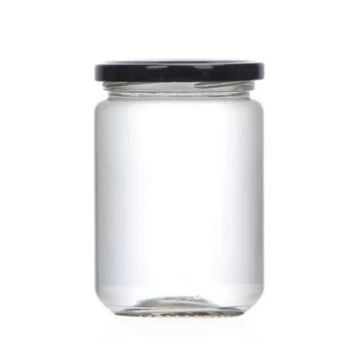
High-precision laboratory analysis depends entirely on the stability of the sample; using sterile brown containers is the industry standard for preventing the degradation of sensitive biomarkers and the introduction of external moisture or microorganisms.
Protecting the Chemical Identity of Monofloral Honey
Prevention of Photochemical Degradation
The dark pigment of brown containers serves as a critical barrier against light-induced chemical changes. Honey contains complex phenolic compounds and bioactive elements that are highly sensitive to light exposure. Without this protection, these components can undergo photochemical degradation, altering the sample's chemical composition before it reaches the lab.
Maintenance of HPTLC Fingerprint Accuracy
High-Performance Thin-Layer Chromatography (HPTLC) is used to verify the botanical origin of monofloral honey. If the chemical characteristics are compromised by light or air, the resulting HPTLC fingerprints will not accurately reflect the honey's true nature. Distributors rely on this data to guarantee the authenticity and premium quality of the monofloral varieties they trade.
Ensuring Biological and Hygienic Integrity
Elimination of Secondary Microbial Contamination
Sterile containers are mandatory to prevent the introduction of environmental microorganisms or foreign particles during sampling. This is vital for palynological methods (pollen analysis) and hygiene quality assessments, ensuring no external factors skew the results. Preventing secondary contamination also stops premature fermentation or spoilage that would invalidate the sample’s moisture and acidity readings.
Preservation of Bioactive Markers and Enzymes
Honey contains sensitive enzymes like glucose oxidase (GOX) and amino acids like proline that define its antibacterial potency. Sterile, airtight storage isolates the honey from moisture, which otherwise lowers the concentration of these critical markers. Maintaining these levels is essential for wholesalers who market honey based on its certified biological activity and nutritional value.
Managing Physicochemical Stability
Controlling Moisture and Hygroscopic Absorption
Honey is highly hygroscopic, meaning it naturally absorbs moisture from the atmosphere. Airtight containers prevent this absorption, which would otherwise alter the initial moisture content and free acidity of the sample. Accurate moisture readings are non-negotiable for ensuring the shelf-life stability and quality grade of bulk honey shipments.
Avoiding Container Migration and Impurities
The use of high-quality, often glass, sterile containers prevents chemical migration from the packaging into the honey. Unlike inferior plastics, chemically stable materials ensure that no impurities are introduced that could interfere with HMF (hydroxymethylfurfural) testing. This technical precision is a hallmark of professional industry expertise in the sourcing and fulfillment of premium honey products.
Understanding the Trade-offs
While sterile brown glass containers offer the highest level of protection, they involve specific logistical considerations. Glass is heavier and more fragile than plastic alternatives, which can increase shipping costs and require more robust secondary packaging during ultra-fast delivery cycles.
Furthermore, the higher cost of specialized amber glass and sterilization processes adds to the initial pre-treatment overhead. However, for distributors and resellers, these costs are offset by the reduction in rejected batches and the ability to command premium prices through verified, high-accuracy lab results.
Strategic Sourcing for High-Volume Resellers
To maintain a competitive edge in the B2B honey market, your sampling and logistics protocols must mirror the quality of the product itself.
- If your primary focus is Authenticity Verification: Prioritize the use of amber glass to ensure HPTLC fingerprints remain pristine for botanical certification.
- If your primary focus is Global Export Compliance: Utilize certified sterile containers to ensure moisture and HMF levels remain stable during long-distance transit and customs inspections.
- If your primary focus is Rapid Market Entry: Partner with a one-stop sourcing provider that manages sterile sampling and pre-treatment internally to accelerate order fulfillment times.
By utilizing sterile brown containers, distributors ensure that every sample reflects the true premium quality and biological richness of the honey they provide to the global market.
Summary Table:
| Feature | Technical Benefit | Impact on Quality Control |
|---|---|---|
| UV/Light Shielding | Prevents photochemical degradation | Protects light-sensitive phenolic compounds & bioactivity |
| Sterilization | Eliminates secondary microbial load | Prevents fermentation; ensures accurate pollen analysis |
| Airtight Sealing | Controls hygroscopic absorption | Maintains stable moisture content & shelf-life readings |
| Amber Glass/Stable Material | Prevents chemical migration | Guarantees HMF testing accuracy and sample purity |
| HPTLC Protection | Preserves chemical fingerprints | Ensures reliable botanical origin verification for resellers |
Scale Your Honey Distribution with HONESTBEE
Maintaining the biological integrity of honey is just one step in a complex supply chain. At HONESTBEE, we empower commercial apiaries and B2B distributors with a one-stop sourcing solution designed for high-volume success. From high-precision honey-filling and hive-making machinery to a complete range of professional beekeeping tools and essential consumables, we provide the infrastructure you need to guarantee premium quality.
Why partner with HONESTBEE?
- Deep Industry Expertise: We understand the technical nuances of honey preservation and processing.
- Comprehensive Portfolio: Access everything from specialized hardware to honey-themed cultural merchandise.
- Rapid Fulfillment: Our efficient logistics and ultra-fast delivery ensure your orders are fulfilled without delay.
- B2B Support: Dedicated customer service tailored to the needs of wholesalers and resellers.
Ready to enhance your profit margins with reliable, professional-grade equipment?
Contact Our Export Experts Today
References
- Alok Kumar Hazra, Tapas Kumar Sur. A rapid HPTLC fingerprinting technique for identifying the various geo-floral origins of honeys. DOI: 10.15406/japlr.2024.13.00432
This article is also based on technical information from HonestBee Knowledge Base .
Related Products
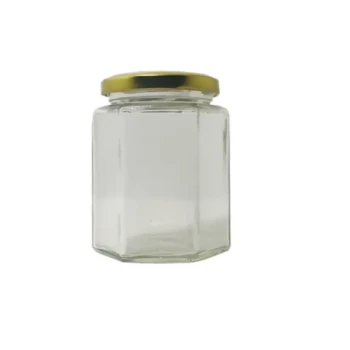
- Hexagonal Glass Honey Jars with Metal Lug Caps Elegant Versatile Packaging
- Food Grade Plastic Honey Bucket Pail for Beekeeping
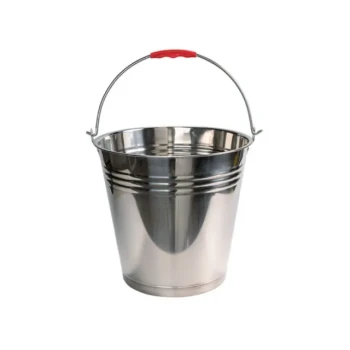
- Premium Stainless Steel Honey Tank Bucket Pail with Reinforced Handle and Polished Finish
- Stainless Steel Honey Storage Tank with Lid for Honey
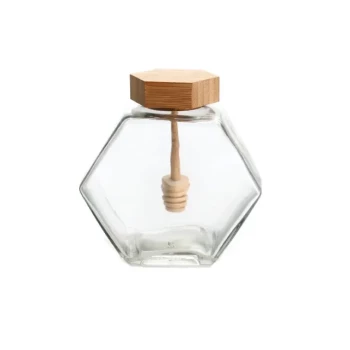
- Hexagonal Glass Honey Jar with Wooden Lid Integrated Dipper Elegant Functional Storage
People Also Ask
- What is the aesthetic appeal of using glass jars for honey? Elevate Your Brand with Premium Packaging
- What are the logistical challenges associated with using glass jars for honey packaging? Navigating Weight & Fragility
- What are the advantages of glass containers for honey? Elevate Quality and Market Value with Premium Packaging
- What are the technical advantages of using glass jars for honey? Master Commercial Packaging for Premium Purity
- What are the advantages of using glass jars for honey packaging? Preserve Purity & Elevate Your Brand