The use of sterile glass and light-shielding is essential to maintain honey's chemical stability, prevent microbial fermentation, and protect heat-sensitive enzymes from degradation. These rigorous storage standards ensure that honey retains its premium quality, moisture content, and bioactive profile throughout the global supply chain, meeting the strict requirements of international trade and laboratory analysis.
To maintain the commercial value and safety of honey, distributors must utilize packaging that acts as a total barrier against environmental factors. Sterile glass and light-shielding are not merely preferences but technical requirements to prevent chemical leaching, moisture absorption, and the loss of essential antimicrobial properties.
Ensuring Chemical Stability and Purity
The Role of Inert Glass in Preventing Contamination
Unlike lower-grade materials, high-quality glass is chemically inert, meaning it does not react with the acidic nature of honey. This prevents the migration of heavy metals or plasticizers into the product, preserving its original elemental characteristics.
For B2B resellers, using glass is a compliance guarantee. It ensures the honey remains free from industrial pollutants, which is critical for passing rigorous third-party laboratory audits and gaining access to premium trade markets.
Biological Integrity through Sterilization
Honey is highly hygroscopic, meaning it readily absorbs moisture from the atmosphere. Sterile, airtight glass containers provide a total barrier against external humidity and microbial spores.
This isolation prevents unwanted fermentation and spoilage. By maintaining a sterile environment, wholesalers can guarantee a stable shelf life and consistent sensory qualities for their retail partners.
Protecting Bioactive Compounds and Enzymes
Inhibiting the Formation of HMF
Exposure to light and heat triggers photochemical reactions that lead to the formation of hydroxymethylfurfural (HMF). High HMF levels are a primary indicator of aging or heat damage, which can significantly devalue a shipment.
Light-shielding methods effectively block these reactions. By inhibiting HMF growth, distributors ensure the honey remains within the legal limits required for "Grade A" or "Premium" classification.
Preserving Heat-Sensitive Enzymes and Antimicrobials
Honey contains vital enzymes such as amylase and invertase, as well as antimicrobial components like hydrogen peroxide. These bioactive elements are extremely sensitive to environmental fluctuations and light exposure.
Using light-shielded containers prevents the degradation of these compounds. This ensures that the honey's antibacterial activity remains intact, which is a key selling point for medical-grade or high-end health food products.
Understanding the Trade-offs
Weight and Logistics Costs
While glass offers superior protection, it is significantly heavier than plastic alternatives. This increases shipping costs and carbon footprints, which must be balanced against the product's market value.
Fragility and Handling Risks
Glass is susceptible to breakage during rapid transit or automated fulfillment. This requires specialized secondary packaging and more intensive handling protocols, which may increase the initial operational overhead for distributors.
Plastic Alternatives
Food-grade plastics can be used for shorter transit times or lower price points. However, they lack the long-term barrier properties of glass and may allow for the slow infiltration of environmental odors or moisture over time.
How to Apply This to Your Distribution Strategy
Making the Right Choice for Your Goal
To optimize your inventory management and ensure client satisfaction, consider the following recommendations:
- If your primary focus is premium export and laboratory-grade purity: Utilize dark-tinted or opaque sterile glass jars to ensure the highest possible enzyme retention and lowest HMF levels.
- If your primary focus is rapid, high-volume retail fulfillment: Source high-quality, BPA-free, food-grade plastic with UV-inhibitors to balance protection with reduced shipping weight.
- If your primary focus is long-term bulk storage: Implement climate-controlled, dark warehousing maintained at room temperature or 4°C to supplement the protective qualities of your glass containers.
Adhering to these professional storage standards is the most effective way to safeguard your investment and maintain a reputation for exceptional product quality.
Summary Table:
| Storage Factor | Protection Mechanism | Key Benefit for Wholesalers |
|---|---|---|
| Sterile Glass | Chemically inert barrier | Prevents leaching and maintains purity standards |
| Light-Shielding | Blocks UV/photochemical rays | Inhibits HMF formation and preserves enzymes |
| Airtight Sealing | Moisture & microbe isolation | Prevents fermentation and ensures shelf stability |
| Bioactive Safety | Environmental buffering | Protects antibacterial and medicinal properties |
Maximize Your Honey Quality with HONESTBEE Solutions
Maintaining the premium value of your honey requires more than just good storage—it requires the right infrastructure. HONESTBEE is your dedicated partner in one-stop sourcing, providing commercial apiaries and B2B distributors with the full spectrum of professional tools and machinery.
Our value to your business includes:
- Comprehensive Product Portfolio: From precision honey-filling machines to specialized beekeeping hardware and essential consumables.
- Supply Reliability: Ultra-fast delivery and efficient fulfillment to ensure your operation never slows down.
- Industry Expertise: Professional guidance on OEM/ODM support and meeting international trade certifications.
- Exceptional Service: Rapid response times and dedicated support to protect your profit margins.
Contact HONESTBEE today for a comprehensive wholesale quote!
References
- Eni Suhesti, Indra Purnama. Effects of Harvest Time and Acacia crassicarpa Age on the Physicochemical Characteristics of Apis mellifera L. Honey in Tropical Indonesian Forests. DOI: 10.47836/pjtas.47.4.10
This article is also based on technical information from HonestBee Knowledge Base .
Related Products
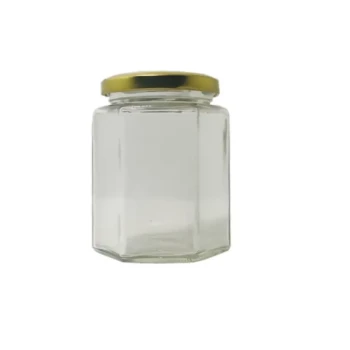
- Hexagonal Glass Honey Jars with Metal Lug Caps Elegant Versatile Packaging
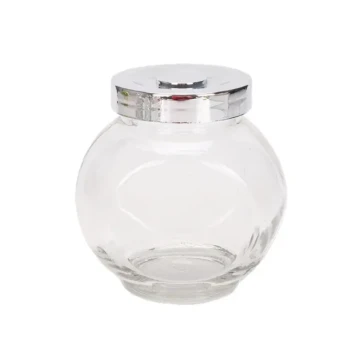
- Classic Round Glass Honey Jar with Lid
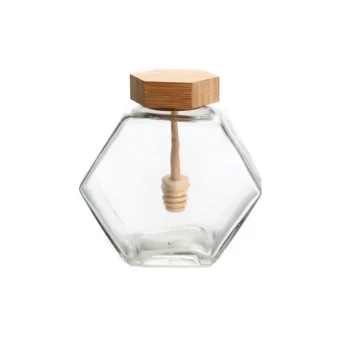
- Hexagonal Glass Honey Jar with Wooden Lid Integrated Dipper Elegant Functional Storage
- Classic Drum Shaped Glass Honey Jar with Airtight Lid
- Modern Square Glass Honey Jar with Twist Off Lid
People Also Ask
- What is the aesthetic appeal of using glass jars for honey? Elevate Your Brand with Premium Packaging
- What are the logistical challenges associated with using glass jars for honey packaging? Navigating Weight & Fragility
- What are the advantages of glass containers for honey? Elevate Quality and Market Value with Premium Packaging
- What are the technical advantages of using glass jars for honey? Master Commercial Packaging for Premium Purity
- What are the advantages of using glass jars for honey packaging? Preserve Purity & Elevate Your Brand