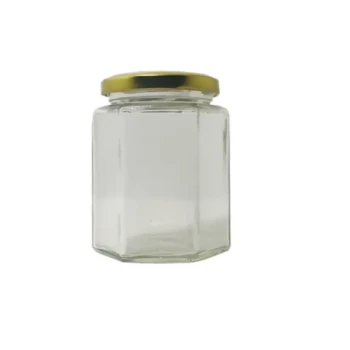
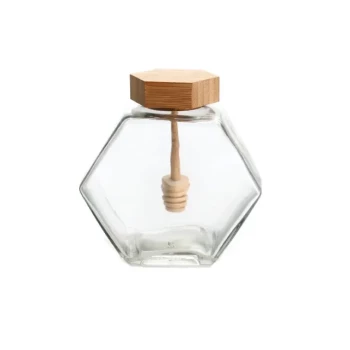
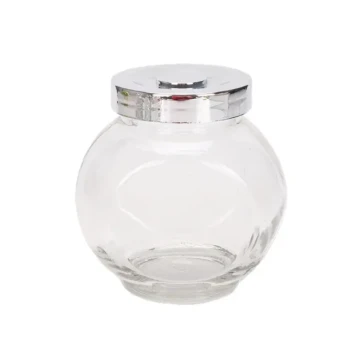
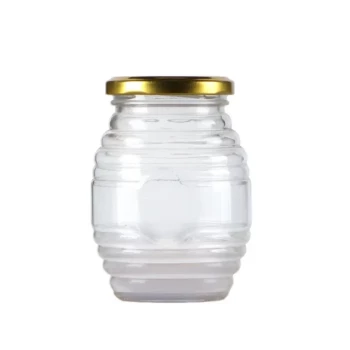
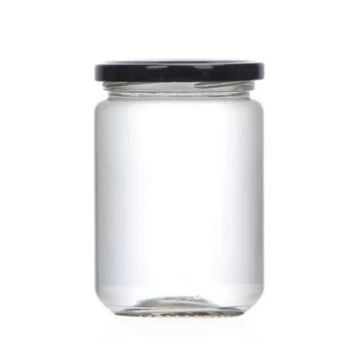
Sterile glass containers are the industry standard for honey analysis because they prevent chemical leaching and microbial contamination. Honey is naturally acidic and hygroscopic, meaning it can react with plastic or metal containers to release heavy metal impurities that skew laboratory results. Using chemically inert, sterilized glass ensures the sample remains a true reflection of the original product, which is vital for maintaining regulatory compliance and premium quality standards.
Core Takeaway: To ensure the integrity of heavy metal analysis, glass containers provide a chemically stable environment that prevents the migration of packaging materials into the honey. This precision protects distributors from false positives and ensures the highest level of food safety across the supply chain.
The Critical Role of Chemical Inertness
Honey’s Acidic Interaction with Packaging
Honey typically maintains a low pH, making it significantly acidic. This acidity causes it to react chemically with metal or low-grade plastic containers during storage.
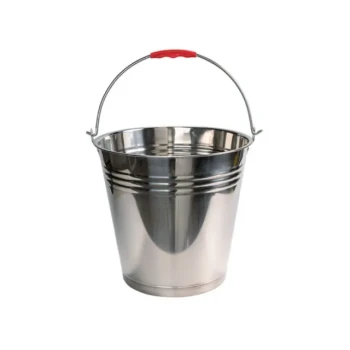
Such reactions can cause leaching, where elements from the container walls migrate into the honey sample. In heavy metal analysis, even trace amounts of leached lead, cadmium, or chromium can lead to failed tests and rejected shipments.
Why Glass is the Superior Material
Glass is recognized for its high chemical inertness, meaning it does not react with the acidic components of honey. This stability ensures that no additives or external impurities are introduced to the sample.
By using glass, distributors can be confident that the mineral levels detected in the lab reflect the original phytogeographical markers of the honey. This level of purity is essential for B2B resellers who must provide definitive proof of origin and quality to their clients.
Protecting Sample Integrity Through Sterility and Sealing
Eliminating Microbial Interference
Sterilization is a mandatory step to remove external microorganisms that could trigger fermentation or spoilage. If honey begins to ferment before analysis, its physical and chemical indicators—such as moisture content and HMF levels—will shift.
Maintaining a sterile environment prevents secondary contamination. This allows laboratories to provide an accurate hygiene quality assessment, which is a cornerstone of deep professional industry expertise.
Superior Barrier Properties against Humidity
Honey is hygroscopic, meaning it actively absorbs moisture from the surrounding environment. Glass containers provide an airtight seal that prevents moisture absorption or evaporation during transit.
Beyond moisture, these seals block volatile pollutants and environmental odors from infiltrating the sample. Ensuring the honey remains isolated from these factors is critical for preserving its sensory qualities and chemical profile for testing.
Understanding the Trade-offs
Logistics and Durability Challenges
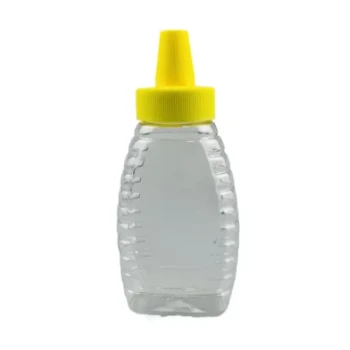
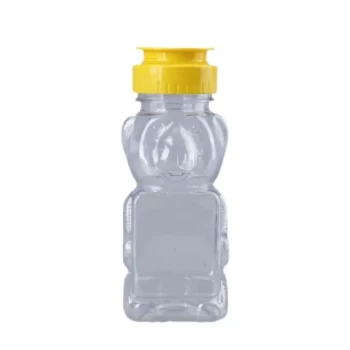
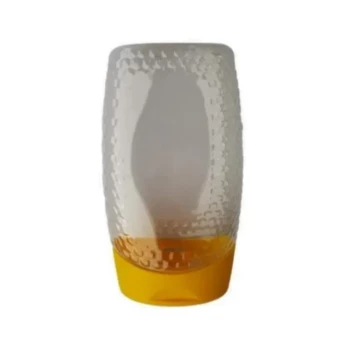
While glass is the gold standard for purity, it presents challenges in weight and fragility. Increased weight can impact shipping costs, and the risk of breakage requires specialized handling and protective packaging.
Cost vs. Compliance Risk
Sterile glass is more expensive than bulk plastic sampling kits. However, the cost of a false positive for heavy metals—which could result in the destruction of an entire batch—far outweighs the initial investment in premium sampling materials.
How to Apply This to Your Sourcing Strategy
Making the Right Choice for Your Goal
As a distributor or wholesaler, the choice of sampling material directly impacts your operational efficiency and brand reputation.
- If your primary focus is international regulatory compliance: Utilize only certified sterile glass containers to ensure heavy metal results meet the strictest global food safety standards.
- If your primary focus is optimizing supply chain reliability: Partner with a one-stop sourcing provider that offers ultra-fast delivery of pre-sterilized glass kits to minimize sampling delays.
- If your primary focus is maintaining premium product positioning: Ensure your sampling protocol uses glass to preserve the original palynological characteristics and sensory markers that define high-value honey.
Choosing sterile glass is an investment in technical accuracy that safeguards your business against the risks of contamination and laboratory error.
Summary Table:
| Feature | Benefit for Heavy Metal Analysis | Business Value for B2B |
|---|---|---|
| Chemical Inertness | Prevents leaching of lead, cadmium, or chromium | Eliminates false positives and batch rejections |
| Sterilization | Prevents fermentation and secondary contamination | Maintains accurate HMF and moisture profiles |
| Hermetic Sealing | Blocks moisture absorption and external odors | Preserves the honey's original sensory markers |
| Material Stability | No reaction with honey’s natural acidity | Ensures compliance with international safety standards |
Scale Your Honey Business with HONESTBEE’s Expert Solutions
Maintaining sample integrity is just the first step in a successful wholesale operation. HONESTBEE empowers commercial apiaries, distributors, and B2B resellers with a comprehensive, one-stop sourcing experience. From specialized honey-filling and hive-making machinery to a full spectrum of beekeeping tools and industry consumables, we provide the hardware and expertise you need to lead the market.
Why partner with HONESTBEE?
- Comprehensive Portfolio: Access everything from high-tech machinery to honey-themed cultural merchandise.
- Rapid Response & Logistics: Benefit from ultra-fast delivery and efficient order fulfillment to keep your supply chain moving.
- Professional Expertise: Leverage our deep industry knowledge to secure premium products that meet global standards.
- Tailored for Resellers: We offer competitive wholesale pricing and dedicated customer service to support your profit margins.
Ready to optimize your supply chain and enhance your product offerings? Contact HONESTBEE today to discuss your wholesale needs and discover how our premium trading services can grow your business.
References
- Ioana Andra Vlad, Florin Dumitru Bora. Comprehensive Assessment of Potentially Toxic Element (PTE) Contamination in Honey from a Historically Polluted Agro-Industrial Landscape: Implications for Agricultural Sustainability and Food Safety. DOI: 10.3390/agriculture15111176
This article is also based on technical information from HonestBee Knowledge Base .
Related Products
- Hexagonal Glass Honey Jars with Metal Lug Caps Elegant Versatile Packaging
- Hexagonal Glass Honey Jar with Wooden Lid Integrated Dipper Elegant Functional Storage
- Classic Drum Shaped Glass Honey Jar with Airtight Lid
- Classic Glass Honey Jar with Metal Lug Cap for Beehive Storage
- Classic Round Glass Honey Jar with Lid
People Also Ask
- What is the aesthetic appeal of using glass jars for honey? Elevate Your Brand with Premium Packaging
- What are the logistical challenges associated with using glass jars for honey packaging? Navigating Weight & Fragility
- What are the advantages of glass containers for honey? Elevate Quality and Market Value with Premium Packaging
- What are the technical advantages of using glass jars for honey? Master Commercial Packaging for Premium Purity
- What are the advantages of using glass jars for honey packaging? Preserve Purity & Elevate Your Brand