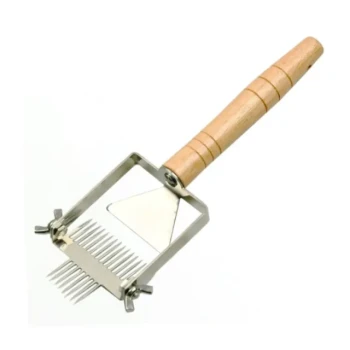
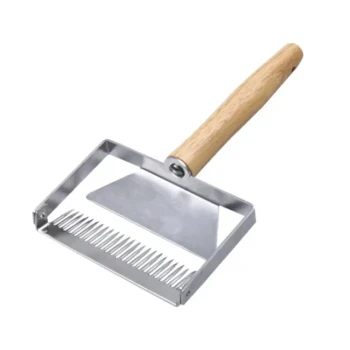
Suction-based extraction is the modern industry standard for stingless bee honey because it utilizes negative pressure to harvest honey without destroying the delicate internal hive structures. Unlike traditional squeezing, which crushes the honey pots and contaminates the yield with bee bread and larvae, suction devices ensure unmatched product purity and colony longevity. This method allows for a hygienic, non-contact process that satisfies strict quality standards for global distribution.
Utilizing specialized suction equipment is the only way to guarantee a high-purity, "clean-label" stingless bee honey. By preserving the hive’s integrity, distributors can ensure a more stable, sustainable supply chain and a premium end-product that meets international hygiene regulations.
Protecting Product Purity and Market Value
Eliminating Cross-Contamination
Traditional squeezing methods often force honey to mix with propolis, bee bread, and larval debris. This results in a cloudy, lower-grade product that requires extensive filtration and has a shorter shelf life.
Suction devices extract honey directly from the pots, keeping the nectar isolated from impurities. For wholesalers, this means a clearer, more premium product that commands a higher price point in competitive markets.
Meeting Global Hygiene Standards (RTIQ)
Modern B2B buyers require adherence to strict Technical Identity and Quality (RTIQ) standards. Squeezing methods expose honey to external contaminants and human contact, which can spike microbial counts.
A dedicated electric suction machine uses a fully enclosed vacuum system. This prevents exposure to the open air, ensuring the honey remains sterile from the hive to the collection bottle, simplifying the path to certification.
Ensuring Supply Chain Stability through Sustainability
Minimizing Colony Recovery Time
Stingless bees store honey in "pots" made of wax and resin rather than traditional combs. Squeezing requires the physical destruction of these pots, forcing the colony to spend weeks or months rebuilding infrastructure rather than producing honey.
Suction harvesting leaves the internal hive structure intact. This non-destructive method allows the colony to recover almost immediately, leading to more frequent harvest cycles and a more reliable volume for distributors.
Reducing Population Mortality
Traditional methods like "smoking" or hive crushing often lead to high mortality rates for workers and queens. This creates a volatile supply chain where entire colonies can collapse after a single harvest.
The use of negative pressure is a low-stress intervention. By protecting the queen and the brood cells, suction technology ensures the continuous productivity of the farm, providing a consistent inventory for high-volume resellers.
Understanding the Trade-offs and Operational Realities
Equipment Investment vs. Labor Costs
While traditional squeezing requires almost no upfront capital, it is highly labor-intensive and results in significant product loss. Suction devices require an initial investment in manual or electric vacuum pumps and food-grade hoses.
However, the efficiency of a suction device allows a single operator to harvest more honey in less time. For large-scale operations, the reduction in labor hours and the increase in "Grade A" honey yield quickly offset the equipment cost.
Maintenance and Technical Expertise
To maintain high performance, suction devices require regular sterilization and maintenance of the vacuum seals. If the negative pressure is not calibrated correctly, it can become less efficient or, in rare cases, damage the suction pump.
Our role as a professional partner is to provide not just the equipment, but the technical expertise required to maintain these systems. This ensures that your sourcing partners can maintain the "ultra-fast delivery" and "rapid response" times your business demands.
How to Apply This to Your Portfolio
To maximize your market position, choosing the right harvesting technology is essential for long-term growth and customer satisfaction.
- If your primary focus is Premium Quality: Prioritize electric suction devices with food-grade collection bottles to ensure the highest clarity and lowest impurity levels for high-end retail markets.
- If your primary focus is Scalability and Volume: Invest in portable, high-efficiency vacuum pumps that allow for rapid harvesting across multiple hive sites, ensuring a steady flow of inventory.
- If your primary focus is Sustainable Sourcing: Advocate for non-destructive suction methods among your suppliers to prevent colony collapse and ensure a multi-year supply agreement remains viable.
Transitioning to suction-based harvesting transforms stingless bee honey from a niche, artisanal product into a high-purity, scalable commodity suitable for the global stage.
Summary Table:
| Feature | Suction Extraction | Traditional Squeezing |
|---|---|---|
| Honey Purity | High (Clear, no debris) | Low (Mixed with larvae/wax) |
| Hive Integrity | Non-destructive | Destructive (Pots crushed) |
| Colony Recovery | Immediate | Weeks to Months |
| Hygiene Level | Enclosed & Sterile | Exposed to Contaminants |
| Market Tier | Premium Grade A | Artisanal/Lower Grade |
Optimize Your Honey Supply Chain with HONESTBEE
As a leading one-stop source for commercial beekeeping, HONESTBEE empowers distributors and B2B resellers with a comprehensive portfolio of professional machinery and tools. Transitioning to suction-based harvesting is the key to securing high-purity, "clean-label" inventory that meets global RTIQ standards and maximizes your profit margins.
Why Partner with Us?
- Full-Spectrum Portfolio: We supply everything from specialized suction pumps and hive-making machines to honey-filling equipment and essential consumables.
- B2B Advantage: Benefit from our deep industry expertise, OEM/ODM support, and reliable product certifications designed for large-scale success.
- Unmatched Service: Experience rapid response times, dedicated customer support, and ultra-fast delivery to ensure your inventory remains consistent.
Elevate your product quality and ensure a sustainable, scalable supply. Contact our expert team today to discuss your wholesale needs!
References
- Ameilia Zuliyanti Siregar, Faujiah Hasanah Ritonga. The Influence of nectar sources, stup types of stingless bee (Heterotrigona itama) to produce honey bee in Langkat Mangrove area, Northern Sumatra. DOI: 10.1088/1755-1315/1563/1/012004
This article is also based on technical information from HonestBee Knowledge Base .
Related Products
- Stainless Steel Manual 8 Frame Radial Honey Extractor Machine for Beehives
- All-Stainless Steel Pivoting Honey Uncapping Fork for Beekeeping
- HONESTBEE 3-Frame Manual Acrylic Honey Extractor
- 2 Frame Stainless Steel Manual Honey Spinner Extractor for Beekeeping
- HONESTBEE 2 Frame Manual Acrylic Honey Extractor Beekeeping Equipment
People Also Ask
- What types of beehive frames are compatible with honey extractor machines? Find the Perfect Match for Your Apiary
- Which type of honey extractor is generally more durable? Focus on Material & Build Quality for Longevity
- What are the key features and benefits of a stainless steel honey extractor? Upgrade to Professional Purity
- What is a manual honey extractor? The Essential Guide to Cost-Effective Beekeeping for Beginners
- What are the disadvantages of a manual honey extractor? Overcome Efficiency Bottlenecks in Your Apiary