Temperature sensors with automatic power-off functions are integrated into large-scale uncapping equipment to strictly control thermal exposure and prevent irreversible chemical damage to the honey. By continuously monitoring the heating elements, these sensors automatically disconnect the power if the temperature exceeds a specific safety threshold, typically 45°C, ensuring the honey retains its natural nutritional value and color.
While heated cutters are essential for softening beeswax to ensure smooth mechanical operation, unchecked heat degrades honey quality. The automatic sensor acts as a critical fail-safe, enforcing a strict thermal ceiling to balance mechanical efficiency with chemical preservation.
The Critical Balance of Heat in Uncapping
The Necessity of Heated Cutters
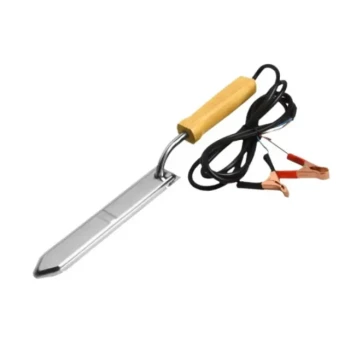
Large-scale uncapping relies on integrated electric heating circuits to control the surface temperature of the cutting blades.
Cold wax is brittle and difficult to slice, which can lead to tearing of the cell walls or physical damage to the frames.
By maintaining a target temperature around 40°C, the cutters soften the beeswax caps, enabling a smooth, efficient cutting action.
The Chemical Risks of Overheating
While heat aids the mechanical process, honey is extremely sensitive to thermal spikes.
The primary reference indicates that if temperatures exceed 45°C, honey begins to lose diastase activity, a key enzyme used to measure freshness and biological quality.
Furthermore, excessive heat accelerates the formation of hydroxymethylfurfural (HMF). High levels of HMF are a primary indicator of heat damage or aging, significantly lowering the commercial grade of the product.
The Role of the Automatic Cut-off
The temperature sensor serves as an active guardian against these chemical changes.
It continuously monitors the heat levels generated by the uncapping blades.
If the system detects that the temperature has surpassed the preset limit (often just above the 40°C operational target), it instantly triggers a power disconnect to stop further heating.
Understanding the Trade-offs
Mechanical Efficiency vs. Thermal Safety
There is a distinct trade-off between the speed of the uncapping machinery and the strictness of the temperature control.
Operating the cutters at higher temperatures might slice through wax faster, but it risks triggering the automatic power-off, which halts production to let the system cool.
Conversely, keeping the temperature too low preserves the honey but may result in ragged cuts or slower processing times due to harder wax.
Operational Complexity
Integrating these sensors adds a layer of complexity to the equipment maintenance.
Operators must ensure the sensors remain calibrated; a drifting sensor could either fail to prevent overheating or trigger "false alarms" that unnecessarily stop the line.
However, this complexity is a necessary cost for producers aiming for high-grade, enzymatically active honey.
Making the Right Choice for Your Goals
To optimize your uncapping process, you must align your equipment settings with your production priorities.
- If your primary focus is Maximum Biological Quality: Set your sensor thresholds strictly at or slightly below 45°C to guarantee diastase activity is preserved, even if it requires a slower feed rate.
- If your primary focus is Mechanical Throughput: Maintain the cutter temperature steadily at 40°C to ensure smooth wax removal without triggering the power-off safety mechanism.
By treating the temperature sensor as a quality control tool rather than just a safety switch, you ensure your processing speed never compromises the integrity of your final product.
Summary Table:
| Feature | Specification/Target | Purpose |
|---|---|---|
| Optimal Operating Temp | ~40°C | Softens beeswax for smooth, mechanical cutting |
| Safety Cut-off Threshold | 45°C | Prevents thermal degradation and enzyme loss |
| Critical Quality Metric | Diastase Activity | Primary indicator of honey freshness and bio-activity |
| Chemical Risk Factor | HMF Formation | Excessive heat increases HMF, lowering commercial grade |
| Fail-Safe Mechanism | Auto Power-off | Automatically disconnects power to avoid chemical damage |
Maximize Honey Quality with Precision Engineering
At HONESTBEE, we understand that commercial success in beekeeping hinges on the delicate balance between mechanical throughput and product integrity. As a dedicated partner to commercial apiaries and distributors, we provide professional-grade beekeeping machinery—from advanced honey-filling systems to large-scale uncapping equipment integrated with precise thermal safety controls.
Our comprehensive wholesale offering ensures your operation is equipped with the latest tools, machinery, and essential consumables to maintain the highest biological standards. Let us help you protect your honey’s enzymatic value while scaling your production efficiency.
Ready to upgrade your processing line? Contact us today to explore our full equipment catalog!
References
- Y. A. Shaaban, A. Ghania. Development and Evaluation of a Honeycomb Uncapping Machine. DOI: 10.21608/jssae.2019.53676
This article is also based on technical information from HonestBee Knowledge Base .
Related Products
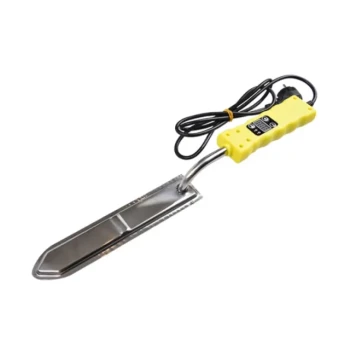
- Electric Hot Honey Uncapping Knife with Thermostat
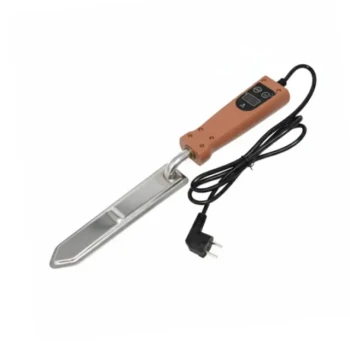
- Professional Electric Honey Uncapping Knife with Heated Digital Temperature Control for Beekeeping
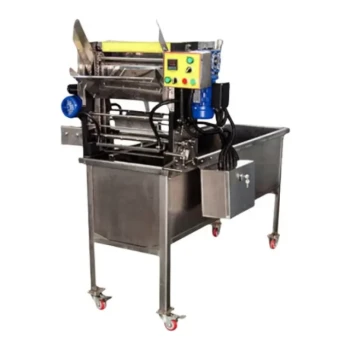
- Automatic Honey Frame Uncapper Machine for Beekeeping
- Digital Display Electric Honey Uncapping Knife for Beekeeping and Decapping
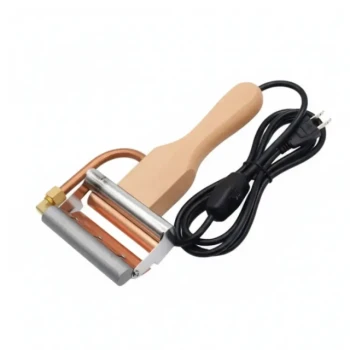
- Electric Adjustable Blade Honey Uncapping Plane
People Also Ask
- What are the drawbacks of using an electric knife for uncapping honey frames? Cost and Power Constraints Explained
- How should an electric uncapping knife be utilized? Master Efficient Honey Extraction with Heated Precision
- What is an electric uncapping knife and how is it used? Master Faster Honey Extraction with Heat
- What are the advantages and disadvantages of using an electric knife for uncapping honey frames? Boost Extraction Speed
- What are the benefits of using electric heated uncapping knives or automatic uncapping machines? Maximize Honey Yields