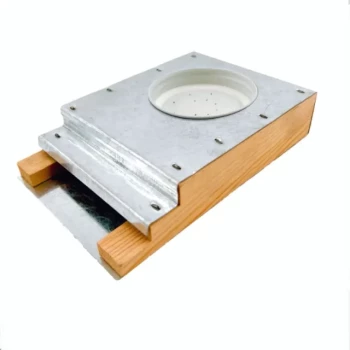
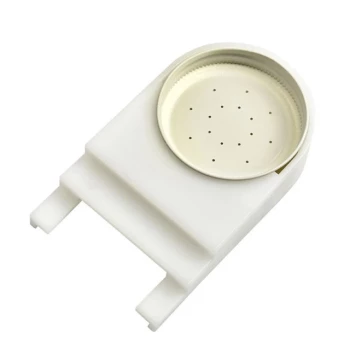
Top feeders are the primary choice for autumn feeding because they solve the critical challenge of delivering high volumes of nutrition in a short timeframe. They allow beekeepers to provide substantial quantities of liquid feed—specifically sucrose or high-fructose corn syrup—directly above the cluster without disrupting the hive's core temperature. This enables the colony to rapidly process and store winter reserves before freezing temperatures arrest their activity.
The Core Objective Autumn preparation is a race against the cold. Top feeders provide the necessary efficiency to bulk up hive weight rapidly while maintaining the thermal integrity of the colony, ensuring bees enter dormancy with sufficient energy stores.
The Mechanics of Efficient Autumn Feeding
Maximizing Volume and Uptake
As natural nectar flows decrease in autumn, colonies face a nutritional deficit. The primary advantage of a top feeder is its capacity to hold large volumes of liquid feed.
Unlike smaller feeding methods, top feeders allow the colony to access a surplus of food immediately. This promotes rapid uptake, allowing the bees to quickly convert the syrup into stored winter reserves.
Preserving Critical Hive Warmth
Temperature regulation is vital as autumn progresses toward winter. Top feeders are designed to sit directly above the colony, which prevents the need to open the brood nest or expose the core hive area to cold external air.
By feeding from the top, the colony maintains its internal heat. This is crucial because minimizing heat loss reduces the energy stress on the bees, preserving their physical longevity for the winter months.
Strategic Trade-offs and Considerations
Liquid Energy vs. Protein Needs
While top feeders are excellent for delivering carbohydrates (energy), they address only one part of the nutritional equation. The primary reference highlights their use for liquid feed like corn syrup or sucrose.
However, surviving winter also requires developed fat bodies and immune strength. As noted in the supplementary data, this requires high-protein supplements (pollen substitutes). Beekeepers must realize that filling a top feeder with syrup solves the calorie problem but does not replace the need for separate protein management.
Monitoring vs. Disturbance
There is a functional trade-off between top feeders and entrance feeders. Entrance feeders allow for easy visual monitoring of feed levels from the outside without touching the hive.
Top feeders generally require lifting the outer cover to check levels. However, this trade-off is usually acceptable in autumn because top feeders minimize disturbance to the colony's internal cluster, whereas entrance feeders expose the feed at the hive's most vulnerable point—the entry.
Making the Right Choice for Your Goal
To ensure your colonies are prepared for the winter dearth, assess your specific nutritional gaps:
- If your primary focus is rapid weight gain: Utilize top feeders to deliver heavy sucrose or corn syrup continuously until the target hive weight is reached.
- If your primary focus is physiological development: Supplement the liquid feed with high-protein patties or pollen substitutes to ensure the bees develop the fat bodies required for cold resistance.
- If your primary focus is low-intrusion monitoring: Consider entrance feeders for smaller colonies, but be aware they do not offer the bulk storage capacity or heat conservation benefits of top feeders.
Effective autumn management requires balancing rapid carbohydrate storage with protein intake to ensure a population that is both heavy in resources and physically robust.
Summary Table:
| Feature | Top Feeders | Entrance Feeders |
|---|---|---|
| Capacity | High Volume (Bulk Feeding) | Low Volume (Maintenance) |
| Heat Retention | Superior (No cluster disruption) | Lower (Feed at entrance) |
| Primary Benefit | Rapid weight gain for winter | Easy visual monitoring |
| Best Used For | Autumn preparation/Late season | Small colonies/Spring stimulation |
Scale your commercial apiary with HONESTBEE. We offer distributors and professional beekeepers a comprehensive wholesale catalog, including hive-making and honey-filling machinery, specialized tools, and essential industry consumables. Enhance your operation's efficiency and ensure colony health with our professional-grade equipment—reach out to our expert team now to discuss your wholesale needs!
References
- Jamie Ellis, Katherine Hammons. Overwintering Honey Bee Colonies in Northern Climates. DOI: 10.32473/edis-in1006-2013
This article is also based on technical information from HonestBee Knowledge Base .
Related Products
- HONESTBEE Round Hive Top Bee Feeder for Syrup
- HONESTBEE Professional Hive Top Bee Feeder Feeding Solution
- Professional Hive Top Bee Feeder for Beekeeping
- HONESTBEE Square Top Hive Bee Feeder Top Bee Feeder
- Rapid Bee Feeder White Plastic 2L Round Top Feeder for 8 or 10-Frame Bee Hives
People Also Ask
- What can the round hive top feeder be used for? A Guide to Efficient, Safe Bee Feeding
- What is the capacity of the round hive top feeder for syrup and pollen? A Guide to Targeted Apiary Support
- What types of hive boxes is the round hive top feeder compatible with? Universal Fit for 8 & 10-Frame Langstroth Hives
- What types of feed can be used with the round hive top feeder? Versatile Feeding for Optimal Apiary Health
- How do you use a top feeder for bees? Expert Guide to Installation and High-Volume Hive Feeding