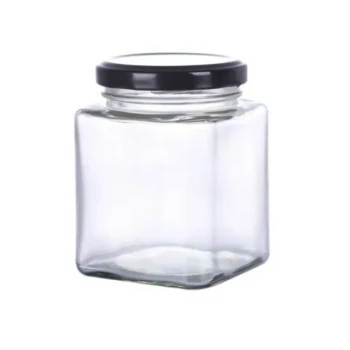
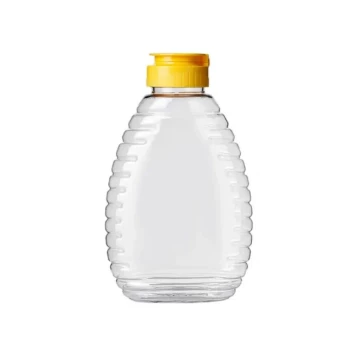
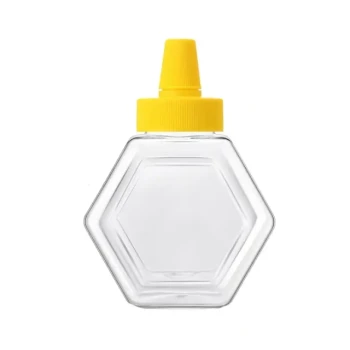
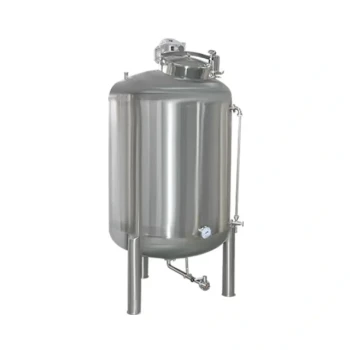
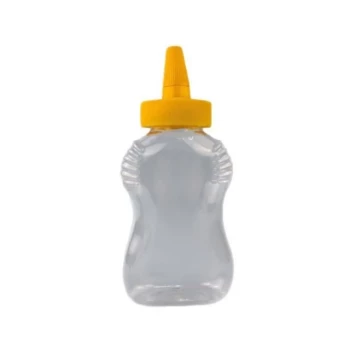
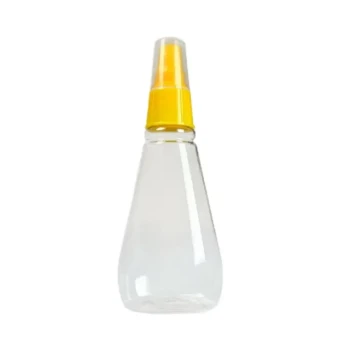
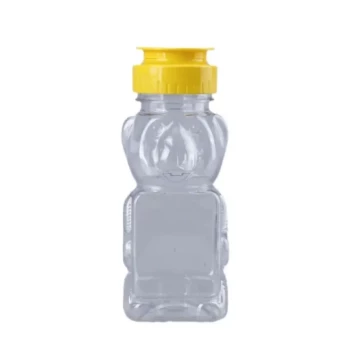
The superior anti-fermentation performance of glass bottles over large plastic containers is primarily determined by moisture control and headspace volume. Research indicates that large plastic containers usually retain a significant volume of air (headspace), leading to moisture condensation that drips onto the honey, dilutes the surface sugars, and triggers spoilage. In contrast, small, well-sealed glass bottles minimize this air gap and offer a non-permeable barrier, effectively starving the environment required for fermentation.
Core Takeaway Fermentation in honey is rarely a failure of the honey itself, but rather a failure of the storage environment to manage moisture. The critical advantage of glass packaging lies in its ability to minimize headspace condensation and prevent moisture intrusion, thereby inhibiting the proliferation of the osmophilic yeasts responsible for spoilage.
The Critical Role of Headspace Dynamics
The Risk of Volume and Condensation
In large plastic containers, the significant headspace volume acts as a moisture trap. During storage, temperature fluctuations cause water vapor within this air gap to condense.
How Condensation Triggers Spoilage
When this condensation forms, it eventually settles on the surface of the honey. This creates a localized layer of high water content, which disrupts the honey's natural antimicrobial balance.
The Mechanism of Fermentation
This localized dilution provides the exact conditions needed for osmophilic yeasts to thrive. Once these yeasts activate in the watered-down surface layer, they proliferate rapidly, leading to fermentation affecting the entire batch.
Material Properties: Glass vs. Plastic
Barrier Integrity
Glass acts as a superior barrier material compared to plastic. It is effectively non-permeable, meaning it completely halts gas exchange and prevents environmental moisture from permeating the container walls.
Sealing capabilities
Glass containers generally support higher sealing integrity. A tighter seal maintains a sterile environment more effectively than standard large plastic lids, further limiting the oxygen contact that can accelerate degradation.
Chemical Inertia
Unlike some plastics which may be reactive, glass offers high chemical stability. It does not react with the acidic substances or aromatic compounds in honey, ensuring the flavor profile remains unaltered while preventing the migration of harmful substances.
Understanding the Trade-offs
Fragility Concerns
While glass is superior for chemical stability and fermentation prevention, it poses a safety risk due to breakage. Certified food-grade plastic is often preferred for shipping solely because it is durable and lightweight, despite its inferior barrier properties.
Light Exposure
The transparency of glass allows for easy visual inspection of crystallization and color, which is excellent for quality control. However, if transparent glass is left in direct light, it can allow UV radiation to degrade flavonoid compounds, potentially reducing the honey's nutritional value over time.
Making the Right Choice for Your Goal
To select the optimal packaging strategy based on your specific needs:
- If your primary focus is preventing fermentation: prioritize small-volume glass bottles with high-quality seals to minimize headspace and moisture intrusion.
- If your primary focus is transport logistics: utilize certified food-grade plastic to prevent breakage, but ensure temperature stability to reduce condensation risks.
- If your primary focus is preserving nutritional compounds: choose dark or amber glass to combine anti-fermentation benefits with protection from light-induced degradation.
Ultimately, the longevity of honey depends on maintaining a low-moisture, airtight environment that denies yeast the water it needs to survive.
Summary Table:
| Feature | Glass Packaging | Large Plastic Containers |
|---|---|---|
| Moisture Barrier | Non-permeable; zero moisture intrusion | Partially permeable over long periods |
| Headspace Dynamics | Minimized air gap reduces condensation | Large headspace leads to surface dilution |
| Sealing Integrity | High; airtight seals prevent gas exchange | Moderate; prone to seal failure in bulk |
| Chemical Stability | Inert; no reaction with honey acidity | Potential for chemical migration |
| Main Advantage | Maximum shelf-life and fermentation prevention | Lightweight and durable for transport |
Elevate Your Honey Quality with HONESTBEE Professional Solutions
As a commercial apiary or honey distributor, your reputation depends on the purity and stability of your product. HONESTBEE is dedicated to supporting your success by providing a comprehensive wholesale range of high-performance beekeeping tools, machinery, and packaging solutions.
From specialized honey-filling machines that ensure perfect headspace management to a wide array of industrial consumables and cultural merchandise, we offer everything you need to scale your operations and protect your honey from fermentation.
Ready to optimize your production and storage? Contact HONESTBEE today to discover how our premium equipment and wholesale expertise can add lasting value to your business.
References
- J. Radtke, Birgit Lichtenberg‐Kraag. Long-term changes in naturally produced honey depending on processing and temperature. DOI: 10.1080/00218839.2018.1494893
This article is also based on technical information from HonestBee Knowledge Base .
Related Products
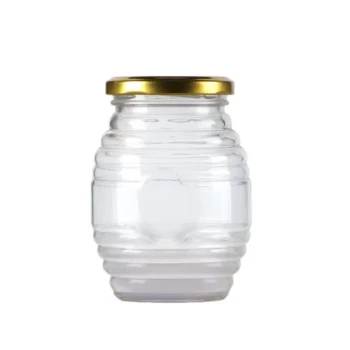
- Classic Glass Honey Jar with Metal Lug Cap for Beehive Storage
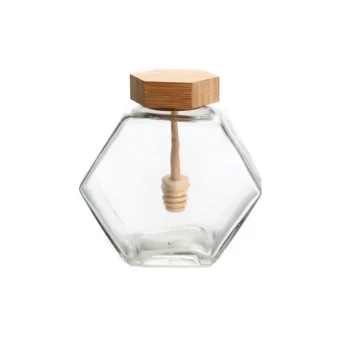
- Hexagonal Glass Honey Jar with Wooden Lid Integrated Dipper Elegant Functional Storage
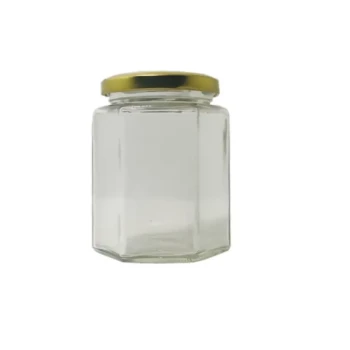
- Hexagonal Glass Honey Jars with Metal Lug Caps Elegant Versatile Packaging
- Classic Drum Shaped Glass Honey Jar with Airtight Lid
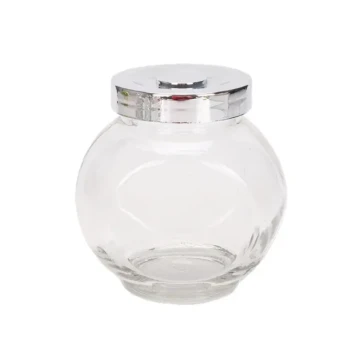
- Classic Round Glass Honey Jar with Lid
People Also Ask
- What are the benefits of glass jars regarding strength and safety for storing honey? Ensure Purity and Long-Term Quality
- What are the advantages of using glass jars for honey storage? Ensure Purity and Premium Appeal for Your Product
- What are the benefits of using high-transparency Glass Jars for honey? Elevate Purity and Premium Branding
- What is the aesthetic appeal of using glass jars for honey? Elevate Your Brand with Premium Packaging
- Which container is best for storing honey? Preserve Purity & Flavor with the Right Choice