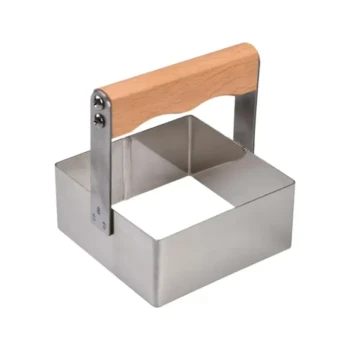
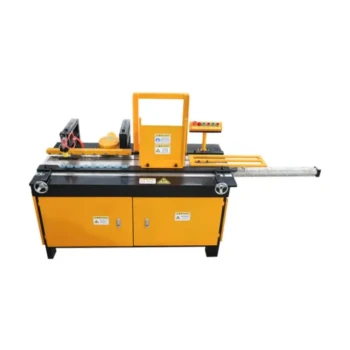
The combination of freezing equipment and an industrial grinding machine is necessary to fundamentally alter the physical properties of the honeycomb structure. Bee bread is naturally bound tightly to the wax; freezing renders the adhesive wax brittle, allowing the industrial grinder to shatter the structure and release the granules rather than mashing them into a sticky paste.
The core mechanism is thermal embrittlement. By lowering the temperature to approximately -1°C, you convert the beeswax from a pliable, sticky substance into a fragile solid that fractures under mechanical stress, enabling efficient, large-scale separation.
The Physics of Separation
Changing the Material State
At ambient temperatures, beeswax is adhesive and pliable, making it nearly impossible to mechanically separate from bee bread without creating a unified mess.
Reaching the Fracture Point
Freezing equipment is used to lower the temperature of the honeycomb to a precise target of approximately -1°C.
Reducing Stickiness
This thermal treatment significantly reduces the natural stickiness of the material. By eliminating the adhesive quality of the wax, the process prepares the honeycomb for clean fragmentation.
The Role of Industrial Grinding
Exploiting Brittleness
Once the wax is in a brittle state, the industrial grinding machine applies high-intensity mechanical force. Because the wax is no longer pliable, it does not bend or stretch; instead, it shatters upon impact.
Releasing the Granules
The grinding action effectively separates the shattered wax shards from the bee bread granules. This step is a critical precursor for large-scale mechanical separation, transforming a complex composite structure into distinct, sortable materials.
Facilitating Powdering
Beyond simple separation, the cold, brittle state allows the material to be processed into powder more efficiently. This creates a uniform consistency that is difficult to achieve with sticky, room-temperature honeycomb.
Understanding the Trade-offs
Protecting Lipid Integrity
The use of freezing offers a chemical advantage during processing. The physical cooling protects unsaturated fatty acids and flavor compounds from oxidation, preserving the lipid profile of the bee bread.
Impact on Antioxidants
However, this method is not without biological cost. The combination of extreme low temperatures and high-intensity mechanical impact can significantly reduce the flavonoid content and overall antioxidant activity of the final product.
Making the Right Choice for Your Goal
While this combination is the industry standard for mass production, you must balance efficiency with phytochemical preservation.
- If your primary focus is Scalability and Yield: Rely on the -1°C freezing and grinding combination to maximize separation speed and prevent machinery clogging due to sticky wax.
- If your primary focus is Nutrient Preservation: Monitor the grinding intensity carefully, as high-impact processing at low temperatures can degrade sensitive antioxidant compounds like flavonoids.
By controlling the thermal state of the wax, you turn a difficult adhesive problem into a manageable mechanical one.
Summary Table:
| Process Phase | Mechanism | Impact on Material |
|---|---|---|
| Freezing (-1°C) | Thermal Embrittlement | Converts pliable wax into a brittle, non-adhesive solid. |
| Industrial Grinding | Mechanical Fracture | Shatters brittle wax shards to release intact bee bread granules. |
| Mass Production | Scalability | Prevents machinery clogging and allows for high-volume processing. |
| Nutrient Impact | Preservation | Protects lipids/flavor but may reduce sensitive flavonoids. |
Scale Your Apiary Production with HONESTBEE
Are you looking to streamline your bee bread harvesting? HONESTBEE specializes in empowering commercial apiaries and distributors with professional-grade solutions. From specialized honey-filling machines to advanced industrial processing equipment, we provide the tools you need to maximize your yield and product quality.
Our value to you:
- Comprehensive Wholesale Offering: A full spectrum of beekeeping tools and machinery tailored for large-scale operations.
- Technical Expertise: We help you master the balance between mechanical efficiency and nutrient preservation.
- Industry Consumables: A one-stop shop for hardware and essential beekeeping supplies.
Ready to upgrade your facility? Contact our experts today to find the perfect equipment for your business!
References
- Shaden A. M. Khalifa, Hesham R. El‐Seedi. Recent insights into chemical and pharmacological studies of bee bread. DOI: 10.1016/j.tifs.2019.08.021
This article is also based on technical information from HonestBee Knowledge Base .
Related Products
- Frame Punching Hole Puncher Machine for Bee Frame Producing Line
- HONESTBEE Top Bar & Bottom Bar Forming Machine | Bee Frame Machine
- HONESTBEE Side Bar Slicer High Speed Precision Cutting for Bee Frame Making Machine
- Professional Bee Frame Machine for Side Bar Shaping
- HONESTBEE Bee Frame Grooving Machine | Precision Slotting for Bee Frame Making
People Also Ask
- How does a bee frame making machine work? A Guide to Automated Metal Frame Production
- Why is professional beehive frame-making machinery required for large-scale apiary operations? Scale with Precision
- How do professional beehive and frame manufacturing machines contribute to commercial apiary management? Boost Efficiency
- What are the qualities of the bee frame forming machine? Durable, Efficient, and Built to Last
- How does the Beehive Frame Making Machine improve operational efficiency? Scale Your Output with Automated Precision