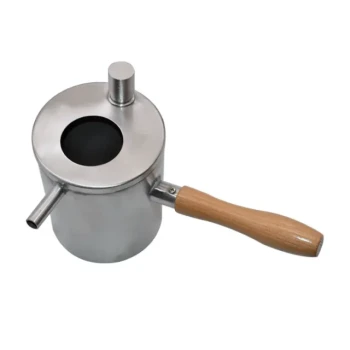
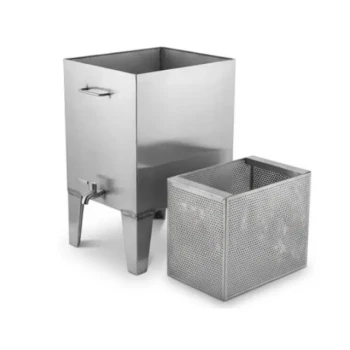
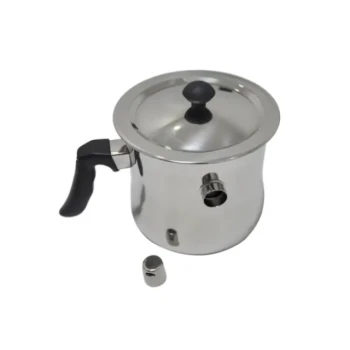
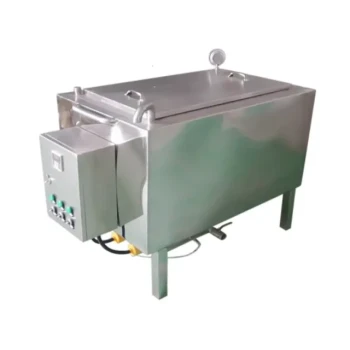
The primary function of solar or steam wax melters is to apply thermal energy to raw honeycombs, initiating the physical separation of liquid wax from solid contaminants. This process isolates the wax from honey, mechanical impurities, and fibrous cocoon shells found in the comb. The ultimate goal is to produce industrial-grade raw technical wax while strictly preserving the material's natural color and fundamental physical-chemical properties.
By effectively divorcing the liquid wax from biological debris through controlled heating, these melters transform raw, messy hive output into a stable, uniform product ready for secondary industrial processing.
The Mechanics of Separation
Thermal Liquefaction
The core mechanism involves applying heat to break the structural integrity of the honeycomb. Whether using solar radiation or pressurized steam, the thermal energy liquefies the wax within the comb structure.
Physical Isolation
Once liquefied, the wax physically separates from solid waste. The liquid wax flows away from heavy impurities, honey residues, and cocoon shells, which remain behind or are filtered out.
Impurity Management
This initial processing step is critical for removing bulk debris. It ensures that the resulting raw technical wax is free from the significant mechanical impurities that would hinder downstream manufacturing.
Preserving Material Integrity
Chemical Stability
A crucial function of these melters is to facilitate separation without chemically altering the wax. By avoiding direct flame or uncontrolled heating, the process maintains the fundamental physical-chemical properties of the beeswax.
Color Retention
Proper thermal processing prevents the darkening that often occurs with overheating. These melters are designed to yield a product that retains the natural, desirable color of the original comb.
Controlled Temperature
Maintaining a controlled temperature environment is vital. Industrial steam pots and well-regulated solar melters prevent the wax from exceeding critical thermal thresholds, which could otherwise degrade the wax's quality and economic value.
Understanding the Trade-offs
Solar Melter Limitations
While solar melters provide a low-cost, environmentally friendly solution capable of reaching 200°F, they are strictly weather-dependent. They are highly effective in direct sunlight but lose utility on cloudy days, making them less predictable for high-volume commercial schedules.
Steam Processing Requirements
Steam melters offer consistency and speed, transforming old combs into uniform wax blocks regardless of weather conditions. However, this method requires an active energy source for steam generation and more active monitoring to ensure safe operation.
Making the Right Choice for Your Operation
To select the processing method that best aligns with your production scale and quality requirements, consider the following:
- If your primary focus is energy efficiency and low overhead: Utilize a solar wax melter to process moderate volumes of wax passively, capitalizing on free solar thermal energy.
- If your primary focus is volume and consistency: Implement a steam-based system to ensure rapid, uniform processing schedules that are not disrupted by environmental conditions.
The most effective wax recovery strategy balances the cost of energy against the need for purity and processing speed.
Summary Table:
| Feature | Solar Wax Melters | Steam Wax Melters |
|---|---|---|
| Energy Source | Free Solar Radiation | Pressurized Steam/Fuel |
| Processing Speed | Slow / Passive | Fast / High Volume |
| Reliability | Weather Dependent | Consistent (All Weather) |
| Primary Goal | Low-cost Separation | Efficient Industrial Output |
| Material Integrity | Excellent (Controlled Heat) | High (Prevents Darkening) |
Scale Your Production with HONESTBEE
Maximize your apiary's output with professional-grade processing solutions. HONESTBEE caters to commercial apiaries and distributors with a comprehensive wholesale offering. We supply the full spectrum of beekeeping tools, specialized machinery—including high-efficiency wax melters and honey-filling machines—and essential industry consumables.
Whether you are upgrading your extraction line or sourcing bulk hive-making hardware, our team is ready to provide the specialized equipment you need to maintain material integrity and boost profitability.
Ready to optimize your beekeeping business? Contact us today to explore our wholesale catalog!
References
- M.V. Kostiuk, O.E. Galatiuk. Analysis of bee wax quality indicators in 2016-2018. DOI: 10.31073/vet_biotech37-05
This article is also based on technical information from HonestBee Knowledge Base .
Related Products
- Professional Stainless Steel Wax Melter for Beekeeping and Crafts
- Steam Beeswax Melter Wax Warmer for Wax Processing
- Beeswax Melter for Candle Making Honey Bee Wax Melter
- Electric Commercial Beeswax Melter for Factory Use
- Solar Beeswax Melter Easy Solar Wax Melter for Beeswax
People Also Ask
- What are the benefits of using a professional wax melter? Achieve Consistent, Scalable, and Safe Production
- What are the two main types of wax melters available? A Guide to Direct vs. Indirect Heat
- What are the types of wax melters available? Choose the Right Heating Method for Your Project
- What is the fundamental operating principle of a wax melter? Master the Thermal Phase Change for Pure Beeswax
- What do you use a wax melter for? From Home Fragrance to Professional Beekeeping