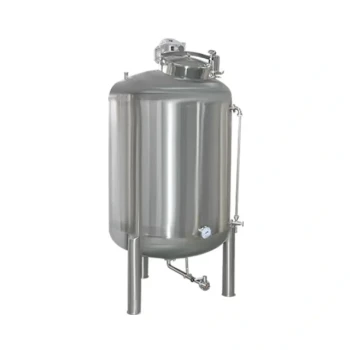
A controlled pasteurization unit is the foundation of Stingless Bee Honey (SBH) safety and commercial viability. Unlike traditional honey, SBH possesses a naturally high moisture content—often exceeding 20%—which makes it highly susceptible to rapid fermentation and spoilage. A dedicated pasteurization system uses precise time and temperature settings to eliminate pathogens like Clostridium botulinum spores and neutralize sugar-tolerant yeasts, ensuring the product is safe for sensitive consumers and shelf-stable for global distribution.
Controlled pasteurization transforms a volatile raw material into a standardized, medical-grade commodity. This process is critical for distributors who require a long shelf life and guaranteed microbiological safety without compromising the honey's unique bioactive properties.
Mitigating Microbiological and Pathogenic Risks
Elimination of Hostile Microorganisms
Stingless Bee Honey, while naturally antibacterial, can harbor Clostridium botulinum spores and various fermentation-inducing bacteria. A controlled pasteurization unit provides the thermal energy necessary to render these pathogens inactive.
This level of safety is non-negotiable for B2B resellers targeting sensitive demographics, such as children, the elderly, or immunocompromised individuals.
Neutralizing Sugar-Tolerant Yeasts
The unique chemical profile of SBH includes a high concentration of yeasts that thrive in high-moisture environments. Without intervention, these yeasts trigger natural fermentation, leading to gas production, off-flavors, and burst packaging.
Precise thermal processing effectively inactivates these yeasts. This ensures that the honey remains stable during ultra-fast delivery and long-term warehouse storage.
Managing High Moisture and Physical Stability
Addressing the Moisture Challenge
Traditional honey bees dehydrate nectar more efficiently than stingless bees. Because SBH retains more water, it requires specialized processing equipment to manage its lower viscosity and high water activity.
Controlled units allow for stabilization without the need for aggressive dehydration that could damage the honey’s delicate flavor profile. This maintains the premium market value that wholesalers expect.
Homogenization for Commercial Applications
For distributors serving the cosmetic or medicinal sectors, pasteurization units often include homogenization capabilities. This ensures a consistent texture and stable emulsification for creams or syrups.
Consistency is a hallmark of professional industry expertise. It allows resellers to guarantee that every batch meets the exact specifications of their B2B clients.
The Importance of Thermal Precision
Preserving Bioactive Compounds
The primary challenge in honey processing is "over-cooking." SBH is prized for its flavonoids, phenolic acids, and anti-inflammatory activity, which are heat-sensitive.
A controlled unit uses precise temperature sensors to ensure the honey reaches the "kill zone" for microbes while staying below the threshold of thermal degradation. This balance is what separates medical-grade honey from generic food-grade products.
Protecting Original Flavor and Aroma
Excessive heat destroys the volatile aromatic compounds that give SBH its distinct tangy profile. Automated systems provide rapid cooling after the heating phase to lock in the original sensory characteristics.
Distributors benefit from a product that tastes "fresh-harvested" but possesses the safety profile of a laboratory-tested pharmaceutical.
Understanding the Trade-offs
Equipment Cost vs. Product Loss
High-precision pasteurization units require a significant initial investment compared to traditional "pot-heating" methods. However, the trade-off is a dramatic reduction in product spoilage and returns.
Safety vs. "Raw" Labeling
While some niche markets prefer "raw" honey, raw SBH is a high-risk product for large-scale distribution. The trade-off involves prioritizing microbiological safety and shelf stability to ensure the brand's reputation remains intact across international supply chains.
How to Apply This to Your Sourcing Strategy
Choosing a supplier with a controlled pasteurization infrastructure is a strategic move for any high-volume distributor. It minimizes liability while maximizing product versatility.
- If your primary focus is Medical or Cosmetic Grade SBH: Prioritize suppliers who utilize controlled units with integrated homogenization to ensure a stable, active ingredient for your formulations.
- If your primary focus is Global Retail Distribution: Look for honey processed with precise thermal controls to guarantee a shelf life of at least 12-24 months without fermentation.
- If your primary focus is High-End Culinary Markets: Verify that the pasteurization process includes rapid-cooling technology to preserve the honey's unique, complex flavor profile and aroma.
By insisting on controlled pasteurization, you ensure that your supply chain is built on a foundation of safety, stability, and uncompromising quality.
Summary Table:
| Key Challenge | Pasteurization Impact | Benefit for B2B Distributors |
|---|---|---|
| High Moisture Content | Neutralizes sugar-tolerant yeasts | Prevents fermentation and packaging failure |
| Pathogenic Risk | Eliminates C. botulinum spores | Guaranteed safety for medical & sensitive markets |
| Heat Sensitivity | Precise thermal control | Preserves bioactive compounds and tang profile |
| Bulk Inconsistency | Integrated homogenization | Ensures uniform texture for cosmetic/medicinal use |
| Short Shelf Life | Microbiological stabilization | Enables global export and 12-24 month storage |
Elevate Your Honey Quality with HONESTBEE’s Processing Solutions
As a premier partner for commercial apiaries and B2B resellers, HONESTBEE offers one-stop sourcing for the entire beekeeping value chain. We specialize in providing high-performance machinery, including honey-filling machines and specialized hive-making equipment, designed to meet the rigorous safety standards of the global market.
Why Choose HONESTBEE for Your Distribution Business?
- Comprehensive Portfolio: From industrial-grade processing tools to honey-themed cultural merchandise.
- Built for Scale: Optimized for distributors and wholesalers requiring reliable supply and high profit margins.
- Industry Expertise: Professional guidance on OEM/ODM support and international quality certifications.
- Rapid Fulfillment: Efficient order processing and ultra-fast delivery to keep your supply chain moving.
Ready to secure a safe, high-value honey supply? Contact our expert team today to discuss your wholesale needs!
References
- Belay Gezahegn Gebreyes, Nkoba Kiatoko. The Physicochemical Properties, Biochemical Makeup, and Health Benefits of Honey Produced From Stingless Bees (Apidae: <i>Meliponini</i> ). DOI: 10.1155/jfq/7570525
This article is also based on technical information from HonestBee Knowledge Base .
Related Products
- Professional Stainless Steel Honey Filtering Machine with Water Bath Heating for Beekeeping
- HONESTBEE Commercial Upright Honey Melter
- Automatic Honey Filling and Filtering Machine for Beekeeping Bottle Filling
- High Quality Honey Dehumidifier Dryer Thickening Machine for Beekeeping
- Heavy Duty Stainless Steel Honey Processing Machine Decrystallizing Tank
People Also Ask
- Is it necessary to filter honey after extraction? A Guide to Straining vs. Raw Honey
- What is the best way to filter honey? A Guide to Quality, Clarity, and Raw Preservation
- Why do people filter honey? For Clarity, Stability, and Consumer Appeal
- Why is filtering honey an important step in honey processing? Ensure Purity, Clarity & Marketability
- What are the benefits of using honey filters? Achieve Purity, Efficiency, and Market Appeal