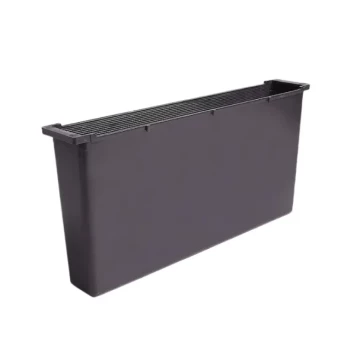
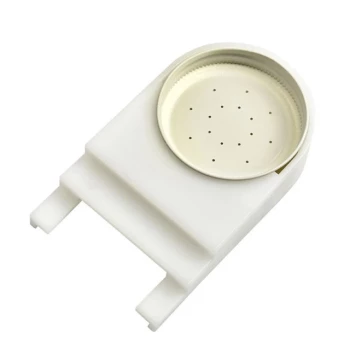
A high-efficiency feeding system is not optional for multi-queen colonies; it is a biological necessity dictated by the hive’s internal geometry. Because multiple queens generate massive egg-laying capacity, the vast majority of comb cells are occupied by developing larvae, leaving virtually no physical space for the colony to store food reserves.
Core Insight: Multi-queen colonies operate on a "just-in-time" nutritional model. The aggressive brood production fills the hive with larvae rather than honey, meaning the colony lacks a stored food buffer. A high-efficiency feeding system is the only way to externally bridge the gap between this massive metabolic demand and the lack of internal storage space.
The Biology of Space Limitation
The Larval Displacement Effect
In a standard single-queen colony, the hive naturally balances space between raising brood and storing resources. In a multi-queen setup, this balance shifts radically.
The egg-laying capacity is so intense that larvae occupy most available cells. This physically displaces the room that would otherwise be used to store nectar and pollen.
Operating Without a Buffer
Because the cells are filled with brood, the colony effectively operates with zero food inventory.
Unlike standard hives that can rely on stored honey during bad weather, a multi-queen colony has "insufficient physical space" to stockpile resources. This makes them highly vulnerable to starvation without constant external input.
Meeting the Metabolic Demand
Sustaining High-Intensity Reproduction
The energy required to sustain a multi-queen colony is significantly higher than that of a standard hive.
The system must support high-intensity reproductive activity, nourishing thousands of growing larvae simultaneously. This creates a relentless caloric burn rate that natural foraging alone often cannot meet due to the storage bottleneck.
The Role of Nutrient Density
Because the bees cannot store large volumes of food, the quality of the feed becomes critical.
You must supply high-concentration sugar syrup and pollen. The goal is to maximize the caloric and nutritional value of every drop consumed, compensating for the inability to store dilute natural nectar.
Understanding the Management Trade-offs
Frequency vs. Stability
The primary trade-off in this system is the requirement for frequent manual intervention, particularly when external nectar sources are scarce.
You cannot rely on the hive's autonomy. If the high-efficiency feeding system fails or is neglected, the colony's massive population can collapse rapidly due to the lack of reserves.
The Payoff: Genetic Superiority
While the feeding demands are rigorous, they enable the hive to support specialized queen rearing and rapid multiplication.
By sustaining this high-pressure environment, beekeepers can select for superior genetic traits. This leads to improved honey yield per hive and increased resistance to parasitic mites, offsetting the high labor cost of the feeding system.
Making the Right Choice for Your Goals
To manage multi-queen colonies effectively, align your feeding strategy with the hive's biological reality:
- If your primary focus is Colony Survival: You must implement a schedule of frequent feeding, as the colony has no internal "pantry" to rely on during gaps in forage.
- If your primary focus is Brood Health: Ensure your feed consists of high-concentration syrup and abundant pollen to meet the immediate nutritional demands of the growing larvae.
Success in multi-queen management relies on recognizing that you are replacing the hive's storage capacity with your own feeding consistency.
Summary Table:
| Feature | Single-Queen Colony | Multi-Queen Colony |
|---|---|---|
| Brood Production | Balanced/Moderate | Aggressive/Massive |
| Internal Storage | Sufficient Honey/Pollen Buffers | Minimal (Displaced by Larvae) |
| Starvation Risk | Moderate (Uses Reserves) | High (Requires Just-in-Time Feed) |
| Feeding Strategy | Supplemental | High-Efficiency & Continuous |
| Primary Output | Honey Storage | Rapid Multiplication/Genetic Selection |
Maximize Your Colony Potential with HONESTBEE
Managing the intense metabolic demands of multi-queen colonies requires precision tools and reliable equipment. HONESTBEE is dedicated to supporting commercial apiaries and distributors with high-performance beekeeping solutions. From high-capacity feeding systems to specialized hive-making and honey-filling machinery, we provide the full spectrum of hardware and consumables needed to scale your operations.
Ready to elevate your apiary's efficiency? Contact us today to explore our wholesale offerings and discover how our industry-leading equipment can sustain your most productive hives.
References
- Huoqing Zheng, Vincent Dietemann. Maintenance and application of multiple queen colonies in commercial beekeeping. DOI: 10.3896/ibra.1.48.4.10
This article is also based on technical information from HonestBee Knowledge Base .
Related Products
- HONESTBEE Entrance Bee Feeder Efficient Hive Front Liquid Feeding Solution for Beekeeping
- HONESTBEE Professional Hive Top Bee Feeder Feeding Solution
- HONESTBEE Entrance Bee Feeder Professional Hive Nutrition Solution for Beekeeping
- HONESTBEE Professional Entrance Bee Feeder Hive Nutrition Solution
- HONESTBEE Round Hive Top Bee Feeder for Syrup
People Also Ask
- What types of bee feeders are available for beginners? Start with the Simple Entrance Feeder
- What are the advantages and disadvantages of using an entrance feeder for bees? Balance Convenience and Hive Security.
- What is a bee entrance feeder and what are its drawbacks? Essential Guide to Hive Security and Feeding Efficiency
- How does a bee entrance feeder work? A Simple Guide to Convenient Hive Feeding
- How to make an entrance feeder for bees? A DIY Guide for Safe & Effective Feeding