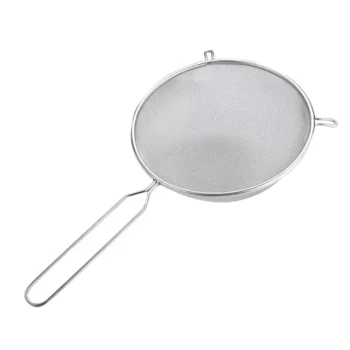
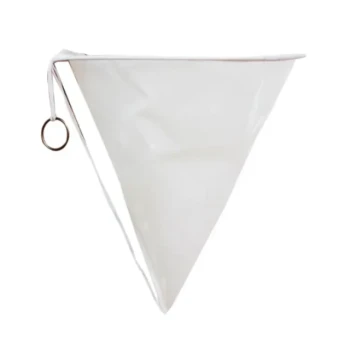
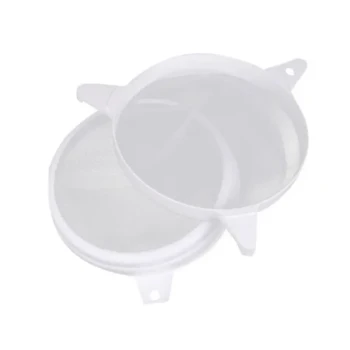
High-precision filtration is the cornerstone of commercial honey processing. It serves as the critical bridge between raw extraction and a market-ready product by removing beeswax, insect fragments, and microscopic impurities. This process ensures the honey achieves the crystal-clear transparency and long-term liquid stability required for global distribution and retail success.
High-precision filtration transforms raw honey into a stable, premium asset by ensuring consistent clarity and preventing premature crystallization. For B2B resellers, this technology is the primary safeguard against product degradation, ensuring that honey remains aesthetically pleasing and pourable throughout its entire shelf life.
Maximizing Sensory Quality and Market Appeal
Achieving Crystal-Clear Transparency
High-precision systems utilize multi-stage fine-pore stainless steel meshes to remove even the smallest particulate matter. This intensive screening process results in a brilliant, transparent appearance that meets strict market sensory requirements. For distributors, this visual purity is a key selling point that distinguishes premium honey from lower-grade alternatives.
Ensuring Consistent Texture and Smoothness
Beyond clarity, filtration eliminates air bubbles and large pollen clusters that can create a gritty or uneven mouthfeel. By standardizing the physical texture, wholesalers can guarantee a uniform product across large-scale orders. This consistency is vital for maintaining brand reputation and consumer trust in a competitive landscape.
Enhancing Product Stability and Shelf Life
Preventing Premature Crystallization
High-precision filtration effectively removes the "nuclei"—such as wax fragments and certain pollen types—around which honey crystals typically form. By eliminating these triggers, the honey remains in a liquid state for a significantly longer period. This stability is essential for bulk storage and long-distance shipping where temperature fluctuations might otherwise induce spoilage.
Extending Distribution Timelines
A clean, filtered product is less prone to the fermentation or sedimentation that can occur when organic debris is left in the honey. This extension of shelf-life stability allows distributors to manage larger inventories with lower risk. It provides the logistical flexibility needed to reach international markets without fear of product rejection at the point of sale.
Meeting Global Regulatory and Safety Standards
Compliance with International Directives
Professional filtration ensures that honey meets rigorous food safety standards, such as EU Council Directive 2001/110/EC. These regulations prohibit foreign organic matter while requiring precise control over what is removed from the product. Utilizing expert-grade equipment ensures that your inventory is legally compliant and ready for cross-border trade.
Removing Biological and Mechanical Impurities
Raw honey often contains larval residues, propolis, and bee fragments that are unavoidable during the harvest phase. High-precision systems act as a definitive safety barrier, extracting these contaminants to ensure a pure, hygienic final product. This level of purity is a non-negotiable requirement for B2B buyers who prioritize food safety and risk mitigation.
Understanding the Trade-offs
Balancing Purity and Natural Composition
While filtration is essential for clarity, excessive processing can lead to the removal of natural pollen, which some markets use for origin tracing. Distributors must ensure their sourcing partners use precision equipment that removes impurities without stripping away the honey's natural chemical identity. Finding the right "micron" level is a delicate balance between aesthetic perfection and regulatory definitions of honey.
Impact on Specialty Grading
High-precision grading machines allow for the categorization of honey by color and moisture content, creating high-value categories like "Extra Light Amber." However, this level of processing requires significant technical expertise to avoid overheating the honey, which could damage its flavor profile. Working with a supplier that offers deep professional industry expertise is crucial to avoid these common pitfalls.
Making the Right Choice for Your Goal
As a distributor or wholesaler, your filtration requirements should align with your specific market positioning and logistical needs.
- If your primary focus is rapid order fulfillment and high-volume turnover: Prioritize suppliers with ultra-fast delivery capabilities and high-capacity multi-stage filtration to ensure consistent, shelf-stable stock.
- If your primary focus is premium specialty branding: Seek out partners with the expertise to provide precision grading and "white honey" specifications, ensuring your portfolio captures high-margin market segments.
- If your primary focus is risk management and compliance: Verify that your sourcing partner utilizes high-precision equipment that adheres strictly to international food safety standards and provides comprehensive documentation.
Selecting a partner with professional filtration capabilities ensures your honey inventory remains a high-quality, liquid asset from the warehouse to the end consumer.
Summary Table:
| Feature | B2B Advantage | Impact on Product |
|---|---|---|
| Impurity Removal | Ensures food safety compliance | Crystal-clear transparency |
| Crystallization Control | Extends liquid shelf life | Reduces stock spoilage risk |
| Texture Refinement | Guarantees brand consistency | Smooth, premium mouthfeel |
| Regulatory Alignment | Simplifies global distribution | Meets EU/International standards |
Scale Your Honey Business with HONESTBEE
Are you a distributor or B2B reseller looking to dominate the honey market? HONESTBEE provides the full spectrum of professional beekeeping machinery and filtration equipment designed to maximize your profit margins and supply reliability.
From high-capacity honey-filling machines to specialized filtration hardware, we offer a one-stop sourcing solution with ultra-fast delivery and deep professional expertise.
Ready to elevate your inventory quality? Contact our team today for a wholesale quote and experience our rapid response and exceptional customer service.
References
- Rohini Sharma, Mangla Ram Bajiya. Honey, its Quality and Composition and their Responsible Factors. DOI: 10.23910/1.2023.3278a
This article is also based on technical information from HonestBee Knowledge Base .
Related Products
- Professional Stainless Steel Honey Filter with Support Handle
- Professional Stainless Steel Honey Filtering Machine with Water Bath Heating for Beekeeping
- Commercial Rotary Honey Filling Machine for Production
- Electric Double Wall Honey Filtering Machine Purifier Equipment for Honey Processing Plant
- Professional Cone-Shaped Honey Filter with Reinforced Steel Ring
People Also Ask
- Why are stainless steel filters essential during the initial purification phase of honey processing? Ensure Purity
- What are the benefits of using a high-quality honey filter? Elevate Purity and Preserve Natural Flavor
- What is the primary purpose of honey filters? Achieve Professional Clarity & Pure Honey Quality
- What micron filter should I use for honey? Choose the Right Filter for Sales or Competitions
- Why do people filter honey? For Clarity, Stability, and Consumer Appeal