High-speed centrifugation is strictly required to extract pollen from honey because pollen grains are microscopic, sparse, and suspended in a dense, viscous liquid matrix. By applying a centrifugal force of approximately 3500 rpm for 45 minutes, the device overcomes the natural buoyancy and specific gravity of the pollen, forcing these trace particles to settle at the bottom of the tube for collection.
The core function of the high-speed centrifuge in this context is concentration. It mechanically separates the diagnostic "signal" (pollen) from the overwhelming "noise" (sugars and liquid), transforming a dilute solution into a dense sediment pellet suitable for microscopic analysis.
The Physics of Pollen Separation
Overcoming Low Concentration
Pollen content in natural honey is extremely low. If you were to look at a drop of raw honey under a microscope, you likely would not see enough pollen to make a valid assessment of its botanical origin.
To analyze the honey properly, you must aggregate the pollen from a larger volume of liquid into a small, observable sample.
The Role of Specific Gravity
Pollen grains have a specific gravity that causes them to remain suspended in the honey dilution rather than sinking immediately.
Gravity alone is insufficient to settle these microscopic particles within a reasonable timeframe. A high-speed centrifuge artificially increases the "G-force" acting on the particles, accelerating the sedimentation process significantly.
The Extraction Process
Creating the Sediment Pellet
The primary reference standard for this process involves spinning the diluted samples at 3500 rpm for 45 minutes.
This specific speed and duration are critical. They ensure that even the lightest pollen grains are forced out of the liquid suspension and compressed into a "pellet" or sediment at the very bottom of the test tube.
Removing the Liquid Matrix
Once the pollen is secured in the sediment pellet, the supernatant (the liquid on top) can be removed.
This step is vital for purity. It washes away interfering substances—primarily the sugars and water—leaving behind highly concentrated, solid palynological material. This ensures the final sample density meets the requirements for clear microscopic examination.
Understanding the Trade-offs and Distinctions
Analysis vs. Harvesting
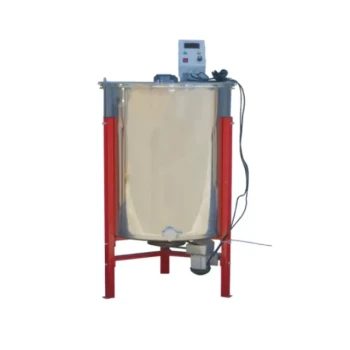
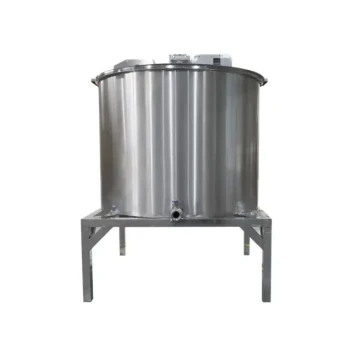
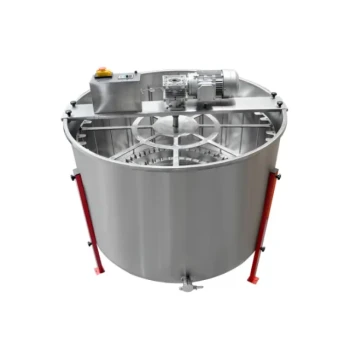
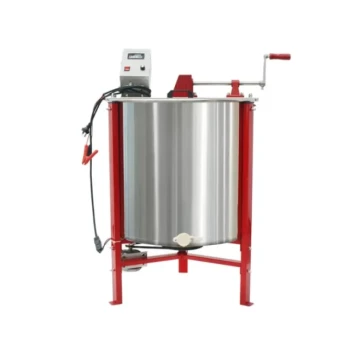
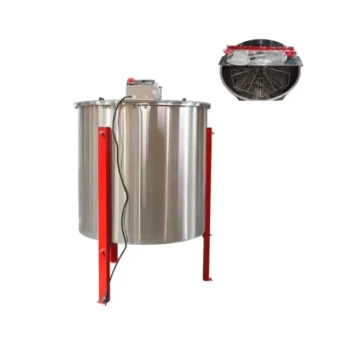
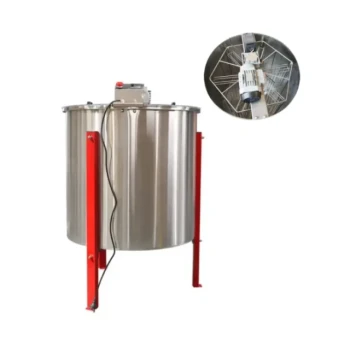
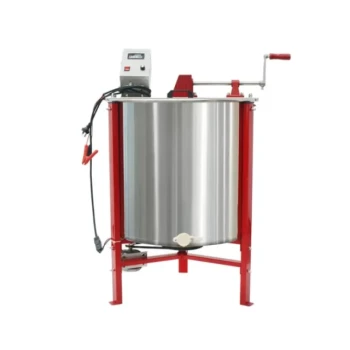
It is critical not to confuse the high-speed centrifuge used for pollen analysis with the centrifugal extractor used for honey harvesting.
Harvesting centrifuges (often manual or low-speed electric) are designed to gently spin honey out of the comb without destroying the wax structure or heating the enzymes. They are not powerful enough to separate microscopic pollen grains from the liquid honey itself.
The Consequence of Insufficient Speed
Using a device that cannot reach the required speeds (e.g., standard industrial separators running at only 2500 rpm or lower) may result in incomplete recovery.
If the centrifugal force is too low, lighter pollen grains may remain suspended in the supernatant. When the liquid is discarded, valuable data regarding the honey's floral source is lost, rendering the analysis inaccurate.
Making the Right Choice for Your Goal
To ensure you select the correct equipment and protocol for your specific objective, consider the following:
- If your primary focus is Microscopic Analysis: You need a high-speed laboratory centrifuge capable of at least 3500 rpm. Your goal is to separate solid pollen from liquid sugar to identify the honey's botanical origin.
- If your primary focus is Honey Harvesting: You need a low-speed centrifugal extractor. Your goal is to separate liquid honey from the wax comb without damaging the frames or degrading the nutritional enzymes.
By utilizing the correct centrifugal force, you ensure that the invisible, microscopic signature of the honey is revealed without compromise.
Summary Table:
| Feature | Laboratory High-Speed Centrifuge | Industrial Honey Extractor |
|---|---|---|
| Primary Goal | Microscopic Pollen Analysis | Honey Harvesting from Combs |
| Operating Speed | 3500+ RPM | Low to Moderate RPM |
| Core Function | Sedimentation of Microscopic Particles | Separation of Liquid from Wax |
| Resulting Output | Concentrated Pollen Pellet | Raw Liquid Honey |
| Physics Focus | Specific Gravity & G-Force | Centrifugal Drainage |
Elevate Your Honey Quality Control with HONESTBEE
Precision matters in commercial beekeeping. At HONESTBEE, we empower commercial apiaries and distributors with the professional-grade tools needed to ensure product authenticity and operational excellence.
Whether you are looking for high-precision laboratory equipment for botanical analysis, advanced honey-filling machines, or heavy-duty harvesting machinery, our comprehensive wholesale portfolio has you covered. We supply everything from specialized hardware to essential industry consumables, ensuring your honey meets the highest global standards.
Ready to scale your production and verify your honey’s floral source?
Contact HONESTBEE Today for Wholesale Solutions
References
- Aslı Özkök, Nesrin Ecem Bayram. KESTANE (Castanea sativa) BALI ÖRNEKLERİNİN BOTANİK ORİJİNLERİNİN DOĞRULANMASI VE TOPLAM POLEN SAYILARI. DOI: 10.31467/uluaricilik.899782
This article is also based on technical information from HonestBee Knowledge Base .
Related Products
- Manual Hand Crank 4 Frame Honey Extractor Centrifuge for Beekeeping
- electric honey extractor honey centrifuge 3 frame honey extractor stainless steel honey frame extractor
- Professional 4 Frame Self Reversing Electric Honey Extractor for Beekeeping
- 32 Frame Commercial Electric Honey Extractor for Beekeeping and Honey Production
- 40 Frame Commercial Electric Honey Extractor for Beekeeping
People Also Ask
- What are some tips for achieving efficient honey extraction with a centrifuge extractor? Maximize Your Yield & Efficiency
- What is the proper procedure for maintaining a centrifuge honey extractor? Expert Tips for Longevity and Hygiene
- What are the advantages of using a centrifuge honey extractor? Maximize Yields and Protect Your Honeycombs
- Which type of honey extractor is generally more durable? Focus on Material & Build Quality for Longevity
- What is a manual honey extractor? The Essential Guide to Cost-Effective Beekeeping for Beginners