Land area assessment is the fundamental metric for determining equipment scale because it establishes the biological carrying capacity of a site. Failing to align the volume of beehives and processing machinery with the available forage space leads to nectar competition, hive starvation, and a total collapse of honey production yields.
Core Takeaway: Professional beekeeping success depends on a precise match between land resources and equipment density; a thorough assessment prevents over-investment in hardware that the local ecosystem cannot support.
The Relationship Between Land Size and Hive Density
The 1-3 Hectare Baseline
A standard commercial apiary typically requires a minimum of one to three hectares of land to function effectively. This space provides the necessary physical footprint for hive placement while ensuring the immediate environment can support the initial colony load.
Managing Forage and Flight Radii
Bees require an expansive flight radius to access diverse nectar and pollen sources without competing with neighboring colonies. A land assessment determines if the surrounding vegetation—such as forests, croplands, or shrublands—can sustain the targeted number of hives.
Preventing Resource Competition
High hive density on insufficient land triggers aggressive competition for limited nectar. This competition doesn't just lower individual hive yields; it destabilizes the entire apiary's health and reduces the overall economic viability of the operation.
Strategic Deployment of High-Value Infrastructure
Scaling Automated Systems
For B2B resellers, understanding land capacity is vital when recommending high-value automated hives and honey harvesting machinery. These advanced systems require a high-volume nectar flow to justify their initial capital expenditure and ensure a rapid return on investment.
Optimizing Colony Management Tools
A thorough landcover analysis identifies the specific types of vegetation available, allowing for the strategic deployment of specialized tools. Matching equipment like royal jelly production kits to areas with high-quality pollen sources ensures maximum biological output.
Navigating Understory Environments
Physical land assessments identify potential operational hurdles, such as dense understory growth or uneven terrain. Identifying these factors early allows distributors to recommend the appropriate transport and colony management tools suited for difficult environments.
Understanding the Trade-offs
The Risk of Under-utilization
While over-density is a primary concern, under-utilizing a vast land area is also a missed financial opportunity. If a land assessment reveals a massive carrying capacity, failing to scale up equipment results in lost potential revenue and inefficient use of the land lease.
Balancing Logistics and Land Quality
High-quality forage areas are often located in remote or difficult-to-access locations. The trade-off involves weighing the superior yield potential of the land against the increased logistical costs and the need for more rugged, mobile harvesting equipment.
How to Apply This to Your Project
When advising clients on their procurement needs, use the land assessment as your primary guide for equipment volume and type. This professional approach ensures your customers receive a solution tailored to their specific environmental constraints.
- If your primary focus is rapid honey production: Recommend a full suite of automated harvesting tools only after verifying the land has high-density nectar sources like forest canopies.
- If your primary focus is large-scale colony expansion: Ensure the client has secured at least three hectares per apiary site before finalizing a bulk order for standard hive components.
- If your primary focus is specialized products (e.g., Royal Jelly): Prioritize procurement of management tools that thrive in shrubland or diverse agricultural zones identified in the land assessment.
Accurate land assessment transforms beekeeping from a game of chance into a predictable, scalable commercial enterprise.
Summary Table:
| Assessment Metric | Importance for Scaling | Recommended Equipment Impact |
|---|---|---|
| Carrying Capacity | Prevents colony starvation and competition | Determines volume of hives & automated systems |
| Forage Quality | Sets the upper limit for honey yield | Dictates need for high-speed extraction machinery |
| Terrain Type | Identifies logistical hurdles | Influences choice of mobile hives & transport tools |
| Vegetation Type | Determines biological output (Pollen/Nectar) | Guides selection of specialized tools (e.g., Royal Jelly kits) |
Scale Your Beekeeping Distribution with HONESTBEE Expertise
As a distributor or B2B reseller, providing your clients with the right equipment scale is the key to their long-term loyalty and your profit margins. HONESTBEE is your strategic partner, offering a comprehensive full-spectrum product portfolio—from specialized hive-making and honey-filling machinery to high-quality industry consumables.
Why partner with HONESTBEE?
- One-Stop Sourcing: Access everything from hardware to honey-themed cultural merchandise in one place.
- Professional Expertise: We help you navigate complex technical requirements for large-scale commercial apiaries.
- Efficiency & Reliability: Benefit from our ultra-fast delivery, rapid response times, and exceptional order fulfillment.
- B2B Focused: We provide the certifications and OEM/ODM support necessary to secure your competitive edge in the market.
Ready to optimize your inventory with premium beekeeping solutions?
Contact HONESTBEE today to discuss wholesale opportunities and bulk pricing.
References
- Jeancy Diyazola-Vweba, Alphonse Roger Ntoto M’vubu. Techno-Economic and Socio-Cultural Determinants of Beekeeping Integration within Agricultural Production Systems of Landowners in and Around the Luki Biosphere Reserve (Kongo Central, DR Congo). DOI: 10.37284/eajenr.8.1.2935
This article is also based on technical information from HonestBee Knowledge Base .
Related Products
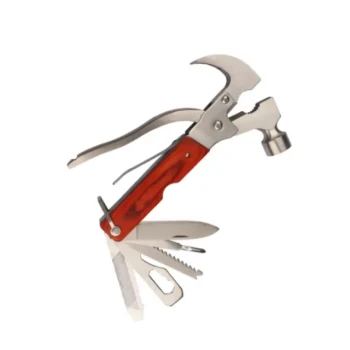
- HONESTBEE 15-in-1 Beekeeper Multi-Tool with Hammer and Pliers for Beekeeping
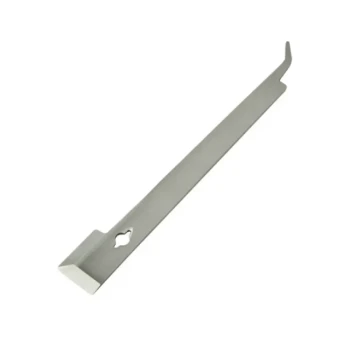
- Stainless Steel J Hook Hive Tool for Beekeeping
- Stainless Steel Queen Grafting Tool for Beekeeping and Bee Queen Grafting
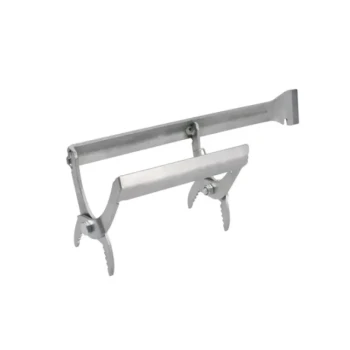
- Multi-Function Plier-Style Frame Grip Hive Tool
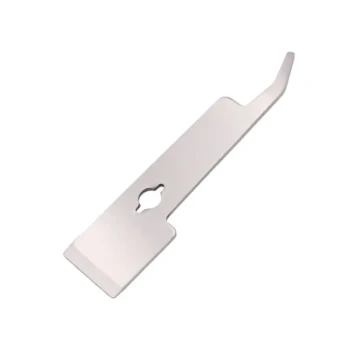
- HONESTBEE Professional Mini J-Hook Hive Tool for Beekeeping
People Also Ask
- What is the recommended method for storing beekeeping tools? Expert Vertical Storage Solutions for Your Apiary
- Why is the treatment of beekeeping tools with high-concentration chemical disinfectants necessary for preventing AFB?
- How does a favorable microclimate interact with beekeeping tools? Boost Overwintering Success and Equipment Longevity
- How do specialized beekeeping tools and high-specification protective equipment assist in colony health management?
- Why are specialized beekeeping tools and consumables essential? Enhance Colony Management and Honey Yield Today