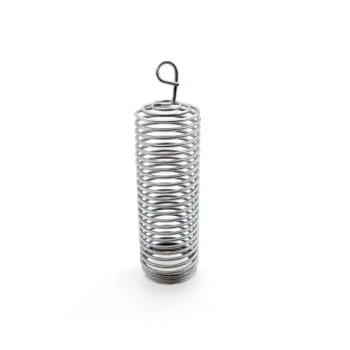
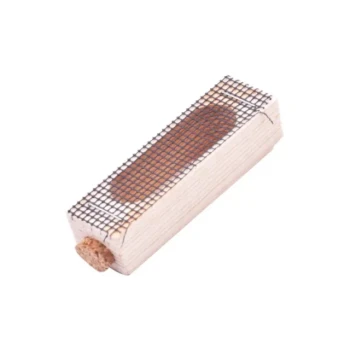
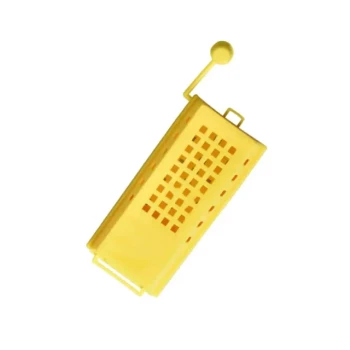
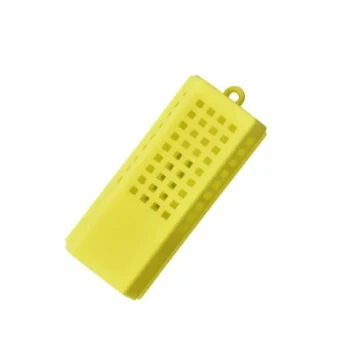
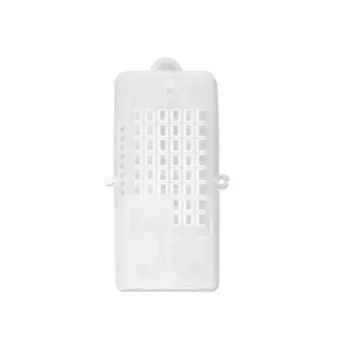
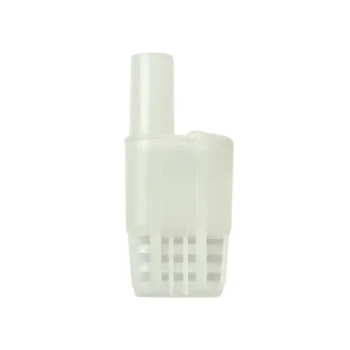
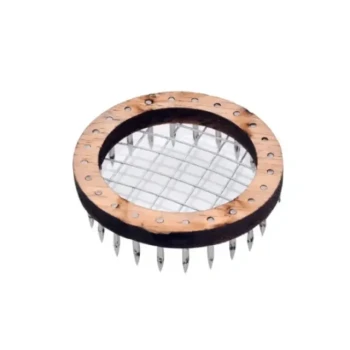
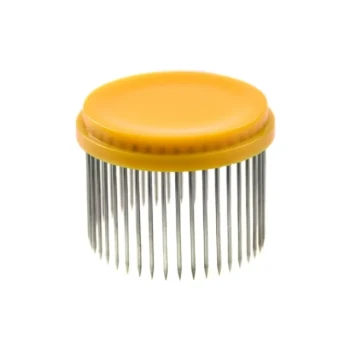
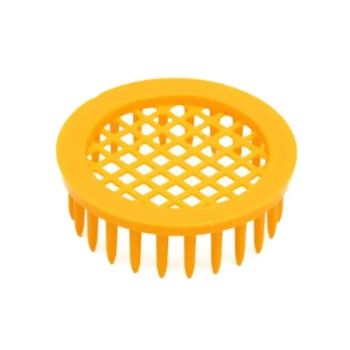
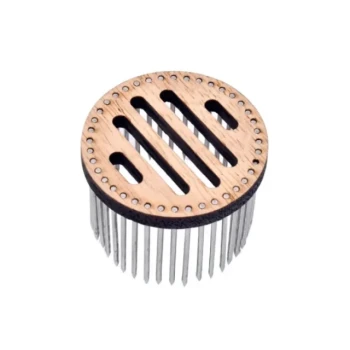
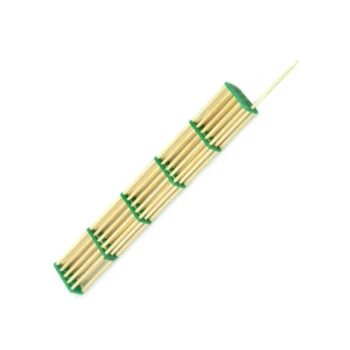
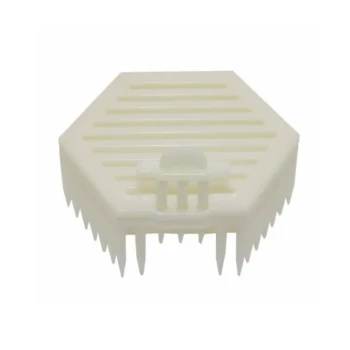
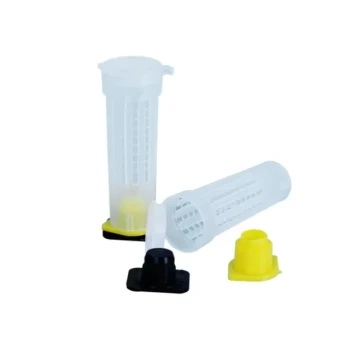
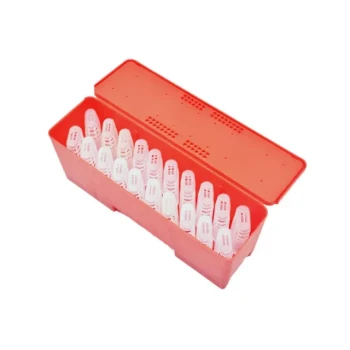
A queen cage is the mechanical catalyst for Varroa mite concentration. By restricting the queen’s egg-laying to a single "trap" frame, the beekeeper forces the colony's entire mite population to migrate into that specific area. Once these cells are capped, the frame is removed and frozen, effectively purging the hive of mites without the immediate need for heavy chemical intervention.
Core Takeaway: The queen cage serves as a precision management tool that converts the biological reproductive cycle of Varroa mites into a controllable logistics problem, allowing for targeted removal and significantly higher treatment efficacy.
Precision Control Through Physical Confinement
Forcing Mite Congregation
Varroa mites are biologically programmed to seek out larval cells for reproduction. When a queen is confined to a cage or a single frame, she cannot distribute eggs throughout the hive.
This creates a high-density "trap" where all reproductive-ready mites are forced to enter the limited available cells on that specific frame. This concentrated infestation makes the subsequent removal of the frame a surgical strike against the mite population.
Creating an Artificial Broodless Period
Beyond the trapping frame itself, queen cages are used to induce a temporary broodless state across the entire colony. By halting egg-laying for a set duration (typically up to 25 days), the beekeeper ensures that no new larvae are available for mites to hide in.
This interruption in the brood cycle is a sophisticated biological management technique. It forces the mites into a vulnerable state, facilitating more effective long-term colony health.
Enhancing the Efficacy of Supplementary Treatments
The Shift to the Phoretic Stage
When no capped brood is present, Varroa mites enter the phoretic stage, meaning they live exclusively on the bodies of adult bees. This is a critical tactical advantage for the beekeeper.
In this exposed state, mites lose their primary defense—the wax capping of the brood cell. This makes them significantly more susceptible to environmental factors and external control measures.
Optimizing Organic Acid Results
Treatments like oxalic acid are highly effective on adult bees but cannot penetrate capped brood cells. By using a queen cage to create a broodless window, you ensure that 100% of the mites are exposed to the treatment.
This synergy between physical cage confinement and chemical application results in a much higher "kill hit" rate. For distributors, providing both the hardware (cages) and the consumables (organic acids) offers a complete solution for high-efficiency mite management.
Understanding the Trade-offs and Pitfalls
Potential for Queen Stress
Confining a queen is a high-precision task that requires professional-grade equipment. Using low-quality cages can lead to queen injury or pheromone disruption, which may cause the colony to attempt supersedure.
Distributors must prioritize premium manufacturing standards to ensure queen safety during these critical management windows. High-quality materials and ergonomic designs reduce the risk of queen loss.
Labor and Timing Requirements
The worker comb trapping method is labor-intensive and requires strict adherence to a biological timeline. If the trap frame is not removed precisely when cells are capped, the mites will emerge and re-infest the hive.
Successful implementation relies on the beekeeper’s expertise and the reliability of their tools. Professional beekeeping operations require rapid response and fast delivery of these tools to hit these narrow biological windows.
Integrating Physical Tools into Your Inventory Strategy
Maximizing Value for Professional Beekeepers
As a technical advisor to the industry, we recognize that queen cages are not just "accessories" but are foundational to integrated pest management (IPM). Offering a comprehensive full-spectrum product portfolio ensures your clients have the exact tool needed for every phase of the season.
- If your primary focus is high-efficiency mite control: Stock queen confinement cages that allow for easy insertion and removal of frames to minimize hive disruption.
- If your primary focus is organic or chemical-free management: Highlight the queen cage as a mechanical tool that reduces the reliance on synthetic veterinary drugs.
- If your primary focus is commercial scale and speed: Leverage our ultra-fast delivery and efficient order fulfillment to ensure your clients receive their confinement tools exactly when the nectar flow or treatment window begins.
By providing deep professional industry expertise and premium trading services, you position yourself as a vital partner in maintaining global honeybee health.
Summary Table:
| Feature | Function in Trapping Method | Impact on Varroa Mites |
|---|---|---|
| Queen Confinement | Restricts egg-laying to a single frame | Forces mite congregation into a "trap" |
| Broodless Period | Stops colony-wide larval development | Eliminates mite hiding spots in capped cells |
| Targeted Removal | Trap frame is removed and frozen | Physically purges the mite population |
| Treatment Synergy | Creates a phoretic mite state | Maximizes efficacy of Oxalic/Organic acids |
Scale Your Beekeeping Supply with HONESTBEE
Maximize your profit margins and provide your clients with industry-leading solutions. HONESTBEE specializes in catering to commercial apiaries and distributors with a comprehensive wholesale offering. From premium queen cages and hive-making machinery to honey-filling equipment and essential consumables, we are your one-stop sourcing partner.
Why Partner with Us?
- Full-Spectrum Portfolio: Access everything from specialized hardware to honey-themed merchandise.
- Rapid Fulfillment: Benefit from our ultra-fast delivery and efficient order processing to meet narrow biological windows.
- Professional Expertise: Leverage our deep industry knowledge and dedicated customer service to grow your B2B business.
- OEM/ODM Support: Tailored solutions and certifications to ensure supply reliability.
Ready to elevate your inventory? Contact us today to discuss wholesale opportunities!
References
- Cornelia Sattler, Théotime Colin. Beekeeper attitudes towards the management of Varroa destructor in Australia. DOI: 10.1007/s13280-025-02307-5
This article is also based on technical information from HonestBee Knowledge Base .
Related Products
- Durable Galvanized Steel Spring Queen Bee Cage
- Classic Wooden and Mesh California Queen Cage
- Professional Queen Bee Introduction and Transport Cage
- Professional Queen Cage with Sliding Gate and Feeder Plug
- Professional Multi-Compartment Queen Cage with Sliding Lid
People Also Ask
- Why are specialized queen bee cages used for the banking of mated queen bees? Maximize Commercial Apiary Storage Efficiency
- What is the mechanism of action for using temporary queen bee cages? Master Successful Queen Introduction
- What is the step-by-step process for installing a queen bee's cage onto a frame? Ensure Hive Acceptance Safely
- What is the optimal placement for a queen bee cage? Essential Strategies for Successful Re-queening
- What are the advantages and disadvantages of introducing a queen bee by embedding the cage? Boost Your Queen Acceptance