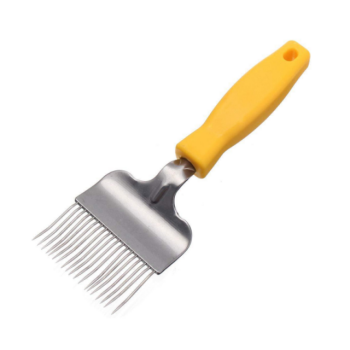
Standardizing the cell opening process is critical for preserving physical evidence during mite extraction. By utilizing a consistent technical method, researchers can successfully collect and identify parasitic mites, such as Varroa jacobsoni, without compromising the structural integrity of the drone pupa or the cell cap. This preservation is essential for correlating physical traits with honeybee defensive behaviors.
Reliable research into honeybee parasite resistance relies on minimizing physical damage during data collection. A standardized opening process ensures that the samples remain intact, allowing for accurate analysis of the relationship between cell cap morphology and infestation levels.
The Science of Sample Integrity
Protecting the Biological Structure
The primary objective of a standardized opening process is non-destructive access. When investigating infestation, it is vital to reach the parasite without destroying the original structure of the drone pupa.
Crude or inconsistent opening methods can damage the host bee, making it impossible to determine if physical anomalies were caused by the parasite or the researcher.
Preserving the Cell Cap
Equally important is the preservation of the cell cap itself. The morphology (shape and structure) of the cap is a key data point in evolutionary research.
A standardized technique ensures the cap is removed or opened in a way that retains its physical characteristics for later measurement.
Correlating Defense and Morphology
The ultimate goal of preserving these structures is to study complex correlations. Researchers use these samples to investigate the link between honeybee defensive behaviors and the evolution of cell cap shapes.
Without a standardized method, the physical evidence required to prove these evolutionary links would be lost during the extraction process.
Eliminating Experimental Bias
Consistency Across Samples
Just as standardized hive frames ensure bees build within a uniform space, a standardized opening process ensures human interaction does not skew the data.
If different techniques are used to open cells, the variability in physical damage could be mistaken for biological differences.
Reliable Identification of Parasites
Standardization facilitates the accurate identification of specific parasites like Varroa jacobsoni.
By removing the noise created by mechanical damage, researchers can be certain that the biological samples collected are representative of the actual hive conditions.
Understanding the Trade-offs
Time and Training Intensity
While standardization ensures high-quality data, it often requires significantly more time than rough extraction methods.
Technicians must be trained to perform delicate operations repeatedly without deviation. This can slow down the speed of data collection compared to bulk sampling methods used solely for mite counting.
Resource Allocation
Implementing a rigorous standard may require specific tools or controlled environments to maintain consistency.
This level of detail is necessary for morphological research but may be excessive for simple apiary management tasks where the only goal is a rough estimate of mite loads.
Making the Right Choice for Your Research
Standardization is not merely a procedural preference; it is a prerequisite for studying the subtle evolutionary mechanics of honeybee defenses.
- If your primary focus is evolutionary research: Adopt a strict opening protocol to preserve cell cap morphology and pupal structure for correlation analysis.
- If your primary focus is simple population monitoring: You may prioritize speed, but understand that you will lose valuable data regarding host-parasite physical interactions.
- If your primary focus is comparative studies: Ensure the opening process is identical across all sample groups to eliminate mechanical bias.
True insight into the evolution of honeybee defenses requires that the observer leaves no trace on the evidence.
Summary Table:
| Feature | Standardized Process | Bulk/Rough Extraction |
|---|---|---|
| Data Integrity | High (Preserves physical evidence) | Low (High risk of mechanical damage) |
| Cell Cap Preservation | Full morphology remains intact | Often destroyed or deformed |
| Parasite Identification | Precise (e.g., Varroa jacobsoni) | Prone to human/mechanical bias |
| Primary Use Case | Evolutionary & biological research | Simple population monitoring |
| Required Resources | Specialized training & tools | Minimal equipment & time |
Elevate Your Bee Research and Operations with HONESTBEE
At HONESTBEE, we understand that precision is the backbone of successful beekeeping, whether you are conducting evolutionary research or managing large-scale commercial apiaries. As a leading global supplier, we provide commercial apiaries and distributors with high-quality beekeeping tools, machinery, and essential consumables designed for accuracy and durability.
From advanced hive-making and honey-filling machines to specialized hardware and honey-themed cultural merchandise, we offer a comprehensive wholesale portfolio to scale your business. Don't let inconsistent equipment compromise your results—partner with experts who value sample integrity and operational efficiency.
Ready to upgrade your apiary equipment? Contact us today to explore our wholesale solutions!
References
- Gard W. Otis, Deborah R. Smith. Drone cell cappings of Asian cavity-nesting honey bees (Apis spp.). DOI: 10.1007/s13592-021-00864-8
This article is also based on technical information from HonestBee Knowledge Base .
Related Products
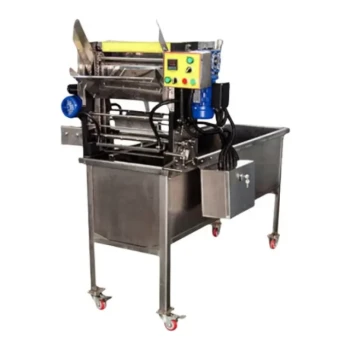
- Automatic Honey Frame Uncapper Machine for Beekeeping
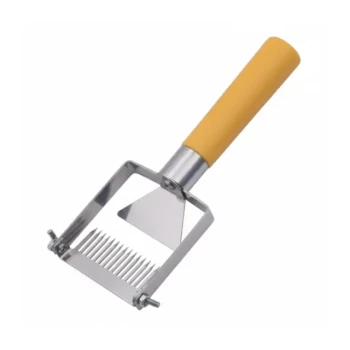
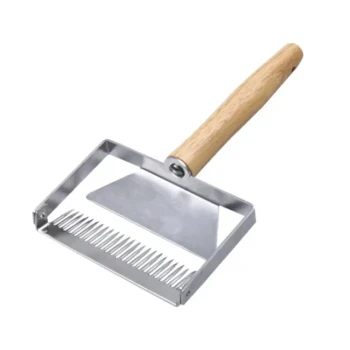
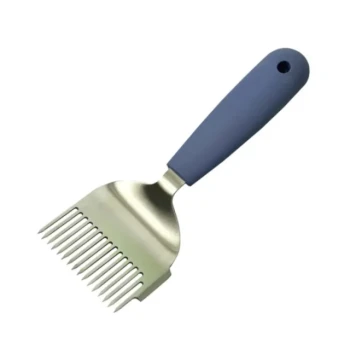
- Double Sided Adjustable Honey Uncapping Fork with Plastic Handle
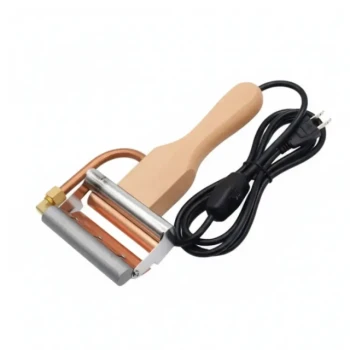
- Electric Heated Honey Uncapping Knife for Beekeeping
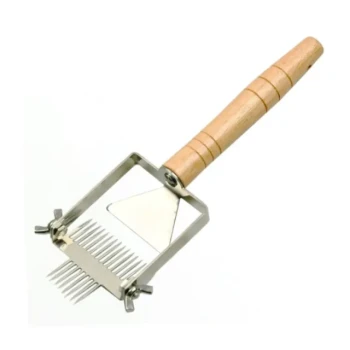
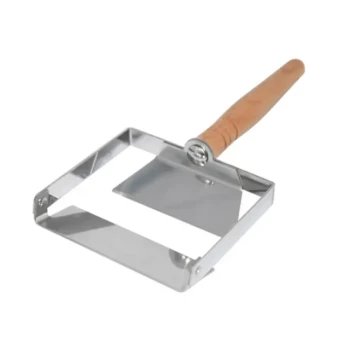
- Double-Sided Pivoting Honey Uncapping Fork with Scraper for Beekeeping
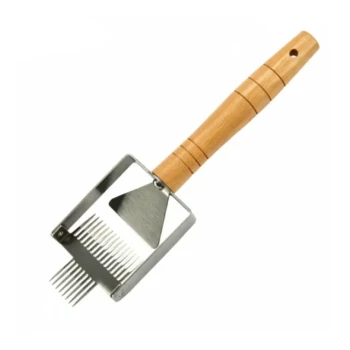
- Adjustable Stainless Steel Honey Uncapping Fork with Scraper for Beekeeping
People Also Ask
- What is the primary goal when choosing an uncapping method? Maximize Honey Yield & Comb Integrity
- What is the process of uncapping frames in beekeeping? Master the Best Methods for Maximum Honey Yield
- How are honey frames prepared before extraction? Master the Hive-to-Honey-House Process
- What is the process of uncapping honey frames before extraction? Expert Guide to Efficient Honey Harvesting
- What specialized tools are used to uncap honey frames prior to extraction? Top Uncapping Tools for Efficient Harvesting