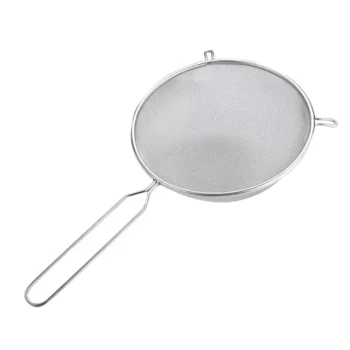
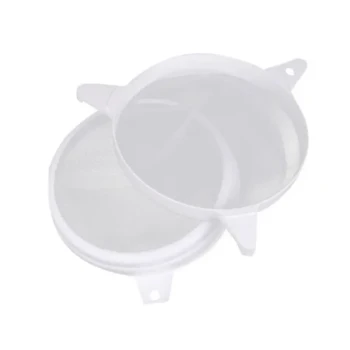
High-precision filtration equipment serves as the definitive barrier between raw agricultural output and consumer-grade product. It acts as the critical processing checkpoint for mechanically removing beeswax fragments, larval residues, and other microscopic particulate matter. This specific stage ensures the final honey achieves the visual clarity and physical purity necessary for commercial viability.
The rigorous application of high-precision filtration is the primary determinant of honey's sensory quality and transparency. It transforms raw honey into a food-safe, shelf-ready commodity that satisfies strict hygiene standards and consumer expectations for purity.
The Mechanics of Quality Assurance
Eliminating Physical Contaminants
Raw honey is naturally harvested with various impurities that are unacceptable in a finished retail product. High-precision filtration is essential for mechanically stripping out these contaminants.
Specifically, this equipment targets beeswax fragments and larval residues that inevitably mix with honey during extraction. Removing these elements is the baseline requirement for producing clean, edible honey.
Enhancing Visual Appeal and Transparency
Consumer perception of honey quality is heavily influenced by visual aesthetics. The filtration process directly dictates the transparency of the final product.
By removing microscopic impurities that cause cloudiness, filtration ensures a clear, amber liquid. This visual clarity is often used by consumers as a proxy for quality and freshness.
Ensuring Food Safety Compliance
Beyond aesthetics, filtration is a matter of regulatory adherence. High-precision equipment ensures that the product meets established food safety standards.
This level of processing is required to satisfy domestic and international demands for high-purity products. It serves as a safeguard, ensuring no foreign organic matter remains in the jar.
Broader Implications for Marketability
Meeting Export Regulations
While the primary function is physical cleaning, the use of high-precision machinery supports broader compliance goals. International markets often enforce strict quality regulations regarding particulate matter and residue limits.
Advanced processing lines, often integrated with filtration, facilitate strict batch management and traceability. This ensures that honey destined for global markets meets rigorous hygiene standards and avoids cross-contamination.
Increasing Brand Value
Consistency is the hallmark of a trusted brand. Implementing high-precision filtration standardizes the output across all production units.
By delivering a product that is consistently free of impurities and visually appealing, manufacturers significantly increase the brand value of their honey. It signals to the market that the product is processed with industrial-grade control.
Understanding the Trade-offs
Balancing Purity with Definition
While high-precision filtration is excellent for clarity, processors must understand the nuance of "ultra-filtration." Excessive filtration can sometimes remove pollen grains, which are necessary for determining the honey's botanical and geographical origin.
Operational Complexity
Implementing high-precision equipment introduces a layer of technical complexity to the workflow. It requires rigorous maintenance and calibration to ensure the filters do not become clogged or damaged, which could paradoxically re-introduce contaminants or slow down production.
Making the Right Choice for Your Goal
To maximize the value of your processing line, align your filtration strategy with your target market:
- If your primary focus is mass-market retail: Prioritize high-precision filtration to achieve maximum transparency and shelf stability, as visual clarity is the main driver for general consumer purchases.
- If your primary focus is "Raw" or artisanal honey: Use coarser filtration settings that remove wax and larvae but retain natural pollen, preserving the "raw" classification often valued by niche buyers.
- If your primary focus is international export: Ensure your filtration system is integrated with a traceable processing line to comply with strict Maximum Residue Limits (MRL) and foreign hygiene standards.
Precision in filtration is not just about cleaning honey; it is about defining the value and safety of your final brand.
Summary Table:
| Key Benefit | Description | Impact on Marketability |
|---|---|---|
| Physical Purity | Removes beeswax, larval residues, and organic debris. | Essential for food safety and regulatory compliance. |
| Visual Clarity | Eliminates microscopic particles that cause cloudiness. | High consumer appeal and perceived product freshness. |
| Brand Consistency | Standardizes output across all production batches. | Increases brand trust and enables premium pricing. |
| Export Readiness | Meets international hygiene and residue standards. | Facilitates access to global retail markets and distributors. |
Elevate Your Honey Quality with HONESTBEE Precision Solutions
At HONESTBEE, we specialize in empowering commercial apiaries and distributors with the industrial-grade machinery needed to succeed in a competitive global market. From high-precision honey-filling machines to advanced processing hardware, our comprehensive wholesale offering covers every step of your production workflow.
Whether you are looking to scale your operations with specialized hive-making machinery or seeking a reliable supply of essential industry consumables, we provide the tools that ensure your honey meets the highest standards of transparency and safety.
Ready to optimize your processing line?
Contact HONESTBEE today to discover how our tailored equipment and honey-themed cultural merchandise can drive your business growth.
References
- Walter Amuko, Walter Odongo. The relationship between market information and entrepreneurial orientation: the case of smallholder honey producers in Northern Uganda. DOI: 10.1186/s40100-023-00249-8
This article is also based on technical information from HonestBee Knowledge Base .
Related Products
- Electric Double Wall Honey Filtering Machine Purifier Equipment for Honey Processing Plant
- Professional Honey Filter with Tripod Support Stand
- 0.5T Capacity Honey Dehumidifier Dryer with Vacuum Heating and Thickening Filtering Machine
- Honey Concentrating and Filtering Dehumidifier Machine 2T Capacity for Honey
- Professional Stainless Steel Honey Filtering Machine with Water Bath Heating for Beekeeping
People Also Ask
- What types of equipment are used in honey filtering? Build an Efficient System for Pure, Marketable Honey
- What is the process of filtering honey? A Guide to Clean, Pure, and Market-Ready Honey
- What is the overall importance of using the right equipment in honey filtering? Boost Quality & Marketability
- What role do professional honey harvesting and filtering equipment play in meeting honey market quality standards? Boost ROI
- How should honey filtering equipment be properly maintained? Extend Equipment Life & Protect Honey Purity