High-precision honey yield measurement is the cornerstone of effective honeybee genetic breeding. It transforms honey yield—the primary economic indicator of a colony—into standardized, quantitative data. This allows breeders to rigorously separate genuine genetic potential from environmental noise, ensuring valid selection decisions.
Accurate phenotypic evaluation relies on eliminating variables caused by inconsistent extraction methods. By using high-precision equipment to standardize how honey is harvested and measured, breeders can isolate the specific genetic markers responsible for high yield, ensuring that selection is based on heritable traits rather than random environmental advantages.
The Science of Phenotypic Evaluation
Honey Yield as the Primary Economic Indicator
In honeybee breeding, the ultimate measure of success is the colony's productivity. Honey yield serves as the primary economic indicator for evaluating genetic lines. Without precise measurement, this indicator becomes anecdotal rather than scientific, making it impossible to reliably identify superior colonies.
Distinguishing Genetics from Environment
A major challenge in breeding is distinguishing between a colony that performs well due to genetics and one that performs well due to favorable environmental locations. High-precision equipment provides the reliable phenotypic data necessary to perform quantitative analyses. This enables breeders to attribute yield contributions accurately to either environmental factors (like flora availability) or genetic factors (heritable traits).
Standardizing Data Across Groups
To compare different breeding groups scientifically, the data collection method must be uniform. High-precision extraction equipment standardizes the process for single-frame or single-colony yields. This uniformity allows for valid comparisons across different ecological zones, such as mountainous areas or forest-steppes, by removing human error from the measurement process.
Operational Mechanisms and Data Integrity
Centrifugal Separation for Pure Data
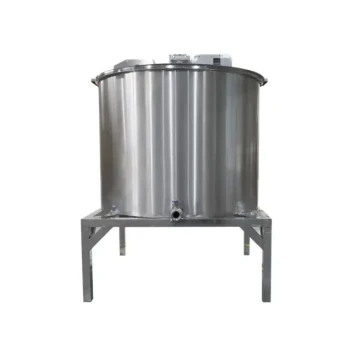
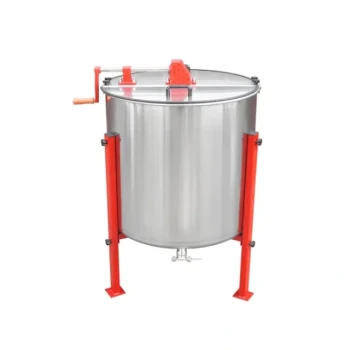
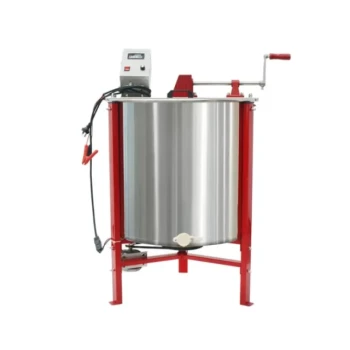
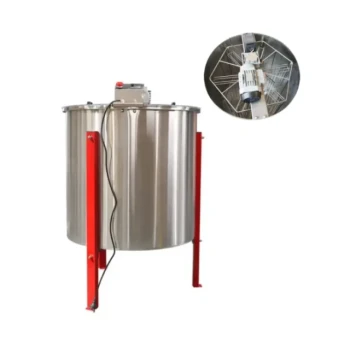
Professional extraction machinery utilizes centrifugal force to separate mature honey from hive frames. This mechanical consistency ensures that every frame is treated with the exact same physical force. This eliminates the variability found in manual extraction, resulting in cleaner, more comparable data sets for each colony.
Preserving Comb Structure
Unlike destructive harvesting methods, high-precision centrifugal equipment preserves the integrity of the honeycomb structure. This is critical not just for hive health, but for data validity. If a colony's comb is damaged, the bees must expend significant energy secreting wax to rebuild it rather than producing honey.
Controlling the Energy Variable
By saving bees from the energy-intensive process of comb rebuilding, this equipment shortens the production recovery cycle. This ensures that subsequent yield measurements reflect the colony's foraging and production capability, rather than their ability to recover from extraction damage. It maintains a "level playing field" for all colonies under evaluation over the course of a year.
Understanding the Trade-offs
Equipment Calibration Requirements
While high-precision equipment reduces human error in extraction, it introduces a need for rigorous calibration. If the equipment itself is not maintained or calibrated correctly, it can introduce systematic errors across the entire dataset. Breeders must treat the machinery as a scientific instrument, not just a farming tool.
Complexity vs. Throughput
Implementing high-precision measurement on a single-frame or single-colony basis is more time-consuming than bulk extraction. The trade-off is a slower processing speed in exchange for granular, colony-specific data. For commercial production this may be inefficient, but for genetic evaluation, it is non-negotiable.
Making the Right Choice for Your Goal
To maximize the value of your breeding program, align your equipment usage with your specific objectives:
- If your primary focus is Genetic Selection: Prioritize equipment that handles single-frame extraction to isolate individual colony performance from environmental noise.
- If your primary focus is Ecological Study: Use standardized mechanical processing to generate comparable data across different geographic zones like foothills or steppes.
- If your primary focus is Yield Maximization: Leverage centrifugal extraction to preserve comb integrity, reducing the bees' energy expenditure and shortening the recovery cycle between harvests.
True genetic progress requires treating honey extraction not as a harvest, but as a precise data collection event.
Summary Table:
| Feature | Benefit for Phenotypic Evaluation | Impact on Genetic Breeding |
|---|---|---|
| Quantitative Measurement | Converts yield into standardized scientific data | Enables accurate selection of superior genetic lines |
| Centrifugal Separation | Ensures mechanical consistency across all frames | Eliminates variables from manual extraction errors |
| Comb Preservation | Maintains honeycomb integrity after harvest | Reduces bee energy waste on wax rebuilding |
| Data Standardization | Allows valid comparisons across ecological zones | Distinguishes genetic potential from environmental noise |
Elevate Your Breeding Precision with HONESTBEE
At HONESTBEE, we understand that for commercial apiaries and distributors, precision is the difference between anecdotal results and true genetic progress. As a leading provider of professional beekeeping machinery, we supply everything from high-precision honey-filling machines to specialized hive-making hardware designed to meet the rigorous standards of scientific evaluation.
Whether you are a distributor looking for high-quality wholesale equipment or a commercial breeder requiring specialized tools to optimize your colony performance, HONESTBEE delivers the full spectrum of industrial consumables and honey-themed cultural merchandise.
Ready to transform your yield into actionable data? Contact us today to explore our comprehensive wholesale solutions!
References
- L. Abdullayeva. Genetic Characteristics of honey Bee breeding in the Ganja-Gazakh Region of Azerbaijan. DOI: 10.33619/2414-2948/113/06
This article is also based on technical information from HonestBee Knowledge Base .
Related Products
- 32 Frame Commercial Electric Honey Extractor for Beekeeping and Honey Production
- Electric 8 Frame Honey Spinner Extractor Equipment for Beekeeping
- 6 Frame Manual Stainless Steel Honey Extractor Beekeeping Equipment
- HONESTBEE 2 Frame Manual Acrylic Honey Extractor Beekeeping Equipment
- Stainless Steel Manual 8 Frame Radial Honey Extractor Machine for Beehives
People Also Ask
- What are commercial honey extractors used for? Boost Your Apiary's Efficiency & Profitability
- What is a commercial honey extractor? The Essential High-Volume Solution for Large Apiaries
- Who are commercial honey extractors designed for? Scaling Your Industrial Beekeeping Success
- How is honey extracted commercially? Maximize Your Apiary's Efficiency and Honey Yield
- What are commercial honey extractors and for what scale of beekeeping are they intended? Scale Your 200+ Colony Apiary