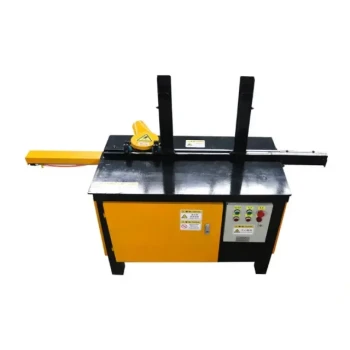
High-precision manufacturing is essential because it guarantees that hive bodies, partitions, and frames fit together with an exact, tight seal. This mechanical accuracy is the primary factor in maintaining the stable internal environment necessary for a colony's survival, particularly during harsh weather conditions.
Precision engineering in beekeeping is more than a quality standard; it is a biological necessity. It provides the thermal consistency required for winter survival while simultaneously acting as a physical barrier against invasive threats.
The Critical Role of the Seal
Ensuring Winter Survival
The most immediate benefit of high-precision manufacturing is thermal regulation.
Bees must maintain constant internal temperatures to survive the winter. Precision-cut components eliminate gaps and drafts, allowing the colony to conserve energy and heat effectively.
Defense Against Predators
A tight fit serves as a fortress against external threats.
When components lock together seamlessly, they block the entry of invasive insects and predators, such as wasps. This protection is vital for maintaining the colony's health and maximizing its production potential.
Operational Efficiency and Biology
Respecting the "Bee Space"
Precision machinery ensures every component adheres to the "bee space" principle.
If gaps are too wide, bees build burr comb; if too narrow, they seal them with propolis. Exact dimensions prevent this, reducing the labor required to scrape and clean frames during inspections.
Standardization and Interchangeability
High-precision manufacturing guarantees that parts are universally interchangeable.
Whether dealing with bottom boards or hive covers, standardized dimensions allow for rapid assembly. This facilitates mechanical management, as beekeepers can swap components between hives without forcing fits or modifying parts.
Understanding the Trade-offs
The Cost of Inaccuracy
While precision-manufactured equipment may carry a higher initial cost, the trade-off is often found in labor and colony loss.
Using components with poor tolerances often leads to "glued" hives due to excessive propolis. This makes inspections difficult, increases the risk of injuring the queen during manipulation, and ultimately costs the beekeeper time and resources.
Making the Right Choice for Your Apiary
When selecting hive components, consider how the manufacturing quality aligns with your specific operational goals:
- If your primary focus is Overwintering Success: Prioritize components with the tightest possible tolerances to ensure maximum thermal efficiency and draft protection.
- If your primary focus is Commercial Scalability: Prioritize standardized, precision-milled parts to ensure full interchangeability and rapid, streamlined management.
Invest in precision not just for the equipment's longevity, but to support the natural instincts and biological requirements of the colony.
Summary Table:
| Key Benefit | Impact on Beekeeping | Biological/Operational Result |
|---|---|---|
| Thermal Regulation | Eliminates gaps and drafts | Higher overwintering success and energy conservation |
| Predator Defense | Creates a seamless physical seal | Prevents invasion from wasps and other pests |
| Bee Space Adherence | Prevents burr comb and propolis buildup | Reduces maintenance labor and hive inspection time |
| Standardization | Universal part interchangeability | Enables rapid assembly and scalable commercial management |
Precision Engineering for Professional Beekeeping Results
At HONESTBEE, we understand that every millimeter counts when it comes to colony health and operational productivity. As a leading partner for commercial apiaries and distributors, we provide a comprehensive wholesale range of high-precision beekeeping tools and machinery.
Whether you need precision-milled hive-making machines to maintain the perfect 'bee space' or specialized honey-filling equipment to streamline your production, our portfolio is designed to meet the rigorous demands of the modern bee industry.
Ready to elevate your apiary with industry-leading hardware and consumables?
Contact HONESTBEE Today to discuss our wholesale solutions and discover how our precision-manufactured equipment can drive your business's success.
References
- В. Р. Петровец, A. N. Shershnev. Economic and mathematical model of bee colonies housing in two-block hive with combined technological partitionEconomic and mathematical model of bee colonies housing in two-block hive with combined technological partition. DOI: 10.29235/1817-7204-2021-59-1-103-110
This article is also based on technical information from HonestBee Knowledge Base .
Related Products
- Precision Stainless Steel Frame Cleaner for Hive Grooves and Corners
- Wooden Bee Hive Frames for Beekeeping and Wholesale
- Professional Galvanized Steel Frame Rest for Beehives
- Plastic Bee Frame Beekeeping Hive Frames for Wholesale
- HONESTBEE Wired and Assembled Wooden Bee Frames Foundation for a Thriving Hive
People Also Ask
- What tools are recommended for cleaning hive frames? Top 4 Essential Maintenance Tools for Beekeepers
- What are the primary functions of a stainless steel hive tool? Essential Equipment for Professional Beekeeping
- What is the function of a professional stainless steel hive tool in IFB? Optimize Your Colony Strength Assessment
- Which technical challenges in hive maintenance are addressed by using a professional stainless steel hive tool?
- What are the primary functions of a stainless steel hive tool? Essential Tips for Efficient Apiary Maintenance