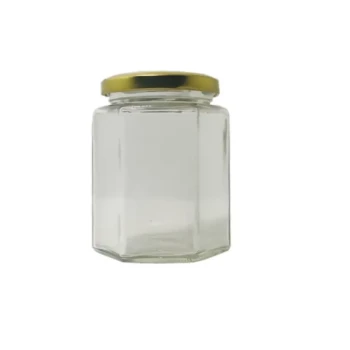
High-transparency glass packaging is the preferred standard for wax-covered apitherapy products primarily due to its ability to protect sensitive bio-active ingredients. Specifically, wax caps contain high levels of lysozyme and propolis, which are highly susceptible to environmental degradation; glass acts as a superior physical barrier against oxidation and moisture while allowing consumers to visually verify the product's natural authenticity.
Core Takeaway: Wax caps are not just packaging; they are biologically active components that require a hermetic environment to maintain potency. High-transparency glass uniquely solves this by offering an impermeable seal against oxidation while simultaneously leveraging the visual appeal of the wax texture to signal premium quality.
Preserving Bio-Active Integrity
Protection Against Oxidation
Wax caps are rich in lysozyme and propolis, compounds that provide significant health benefits but are chemically delicate.
Exposure to oxygen can rapidly degrade these components, rendering them ineffective.
Glass containers provide a dense, impermeable barrier that significantly reduces air infiltration, preventing the oxidation that compromises these vital ingredients.
The Moisture Barrier
Honey and apitherapy products are hygroscopic, meaning they naturally absorb moisture from the surrounding air.
Excess moisture can lead to fermentation or spoilage, particularly in products with active enzymes.
A sealed glass vessel effectively isolates the product from environmental humidity, ensuring the water content remains stable and the product does not ferment.
The Role of Visual Transparency
Showcasing Natural Texture
For wax-covered items, the physical appearance of the wax is a primary selling point.
High-transparency glass allows for a clear, unobstructed display of the natural texture of the wax caps.
This visual accessibility meets market demands for "raw" and "unprocessed" aesthetics, which are often associated with higher value.
Facilitating Consumer Inspection
Transparency lowers the decision-making threshold for buyers.
It allows consumers to visually inspect the color, viscosity, and consistency of the honey or wax before purchase.
By enabling a preliminary quality assessment based on appearance, glass builds immediate consumer trust that opaque materials cannot match.
Chemical Stability and Purity
Chemical Inertness
Unlike some plastics, glass is chemically inert and does not react with acidic substances.
Honey contains organic acids that can interact with inferior packaging materials over time.
Glass ensures that no chemical migration occurs, preserving the original flavor profile and preventing the introduction of foreign odors or tastes.
Preventing Crystallization and Browning
While crystallization is natural, uncontrolled moisture and oxygen can accelerate undesirable texture changes or oxidative browning.
By blocking gas entry, glass slows down these chemical processes.
This helps maintain the product in its intended state for a longer shelf life compared to permeable plastic alternatives.
Understanding the Trade-offs
Fragility and Weight
While glass offers superior preservation, it introduces logistical challenges.
Glass is significantly heavier than plastic, which increases shipping costs and carbon footprint.
It is also fragile, requiring robust secondary packaging to prevent breakage during transport, which adds to the overall cost of goods sold.
Manufacturing Precision
Achieving a perfect seal with glass requires precise cap fitting.
If the closure mechanism (lid and liner) does not match the quality of the glass, the barrier properties are compromised.
You must ensure the lid liner is compatible with the chemical properties of honey to maintain the hermetic seal glass provides.
Making the Right Choice for Your Goal
Selecting the right packaging depends on whether your priority is biological potency or logistical efficiency.
- If your primary focus is Bio-Activity Preservation: Prioritize glass to protect sensitive compounds like lysozyme and propolis from oxidation.
- If your primary focus is Premium Branding: Use high-transparency glass to showcase the unique texture of the wax caps and justify a higher price point.
- If your primary focus is Logistics: Consider high-grade, heavy-wall PET plastic only if rapid turnover is expected, though this sacrifices long-term bio-protection.
By choosing high-transparency glass, you align the physical preservation of your product with the psychological expectations of your customer.
Summary Table:
| Feature | Glass Packaging Benefit | Why It Matters for Wax/Honey |
|---|---|---|
| Barrier Property | Impermeable to oxygen & moisture | Prevents oxidation of lysozyme and propolis; stops fermentation. |
| Transparency | High visual clarity | Showcases natural wax texture and allows for quality inspection. |
| Chemical Stability | Inert (no leaching) | Protects honey's organic acids from reacting with the container. |
| Product Integrity | Hermetic seal capability | Slows down oxidative browning and maintains original flavor profiles. |
| Brand Value | Premium aesthetic | Increases perceived value and consumer trust in 'raw' products. |
Elevate Your Apiary’s Commercial Appeal with HONESTBEE
Protecting the delicate bio-activity of products like wax caps requires more than just a jar; it requires professional-grade solutions. HONESTBEE specializes in supporting commercial apiaries and distributors with a comprehensive range of beekeeping tools, honey-filling machinery, and premium packaging consumables.
Whether you need precision hardware for your production line or high-quality glass jars to showcase your harvest, we provide the wholesale expertise to scale your business.
Ready to upgrade your production? Contact us today to explore our full spectrum of equipment and consumables!
References
- Raivo Kalle, Renata Söukand. Beekeepers as guardians of apitherapeutic knowledge in Estonia, SW Ukraine, and NE Italy. DOI: 10.1186/s13002-025-00764-6
This article is also based on technical information from HonestBee Knowledge Base .
Related Products
People Also Ask
- What is the aesthetic appeal of using glass jars for honey? Elevate Your Brand with Premium Packaging
- What are the logistical challenges associated with using glass jars for honey packaging? Navigating Weight & Fragility
- What are the advantages of glass containers for honey? Elevate Quality and Market Value with Premium Packaging
- What are the technical advantages of using glass jars for honey? Master Commercial Packaging for Premium Purity
- What are the advantages of using glass jars for honey packaging? Preserve Purity & Elevate Your Brand