Industrial-grade low-temperature refrigeration is the primary defense against biological degradation and pest infestation in beekeeping assets. By maintaining temperatures between 0°C and -20°C, these systems physically eliminate wax moths and small hive beetles, prevent the spread of pathogens like Nosema, and stabilize the nutritional integrity of bee pollen without the need for chemical fumigants.
Core Takeaway: Low-temperature storage is a critical biosecurity and preservation standard that protects the structural integrity of beeswax and the biological value of pollen, ensuring equipment is safe for immediate reuse and products remain contaminant-free.
Combatting Biological Threats and Pest Infestations
Total Inhibition of the Wax Moth Life Cycle
Storing empty honeycombs in a controlled environment between 0-10°C completely halts the life cycle of Greater and Lesser Wax Moths. At these temperatures, eggs cannot hatch and larvae are unable to feed on the valuable beeswax structures.
Physical Eradication of Small Hive Beetles
Industrial freezers set to -20°C or lower are essential for killing Small Hive Beetle (SHB) eggs, larvae, and adults hidden in crevices. This physical treatment ensures that contaminated consumables can be safely reintroduced into a colony after a standard 24-to-48-hour cycle.
Breaking the Chain of Pathogen Transmission
Low-temperature environments serve as a biological barrier against the horizontal transmission of diseases. Processing used frames at extreme sub-zero temperatures effectively neutralizes pathogens like Nosema spores, preventing cross-contamination between different honeybee colonies.
Preservation of Nutritional Integrity and Material Stability
Stabilizing Bee Pollen Composition
Bee pollen is highly susceptible to moisture absorption, oxidation, and microbial growth due to its high protein and moisture content. Refrigeration inhibits enzymatic reactions and microbial proliferation, ensuring that sensitive lipids and vitamins remain intact.
Preventing Physical Degradation of Samples
For professional operations involving large-scale analysis, consistent low temperatures prevent the embrittlement or deformation of anatomical parts. This stability is vital for maintaining the physical properties of biological samples over long-term storage periods.
Eliminating Latent Pathogens in Wax
Pathogens and parasites can often remain latent within the honeycomb wax itself. Industrial-grade freezing is the only reliable method to ensure these latent threats are eliminated before the equipment is recycled back into the production line.
Ensuring Product Purity and Compliance
Avoiding Chemical Contamination
Traditional pest control often relies on chemical fumigation, which can leave residues in the wax and honey. Cold storage is a purely physical control method that ensures the final product maintains 100% purity, meeting the strict standards required by wholesalers and distributors.
Enhancing Asset Reusability
By preserving the integrity of beeswax structures and stored feed during the off-season, refrigeration allows for the immediate reuse of frames during the next flowering season. This efficiency is a cornerstone of professional apiary management and large-scale commercial operations.
Streamlining Efficient Order Fulfillment
Utilizing industrial-grade equipment allows for the bulk processing of frames and pollen, supporting rapid response times for distributors. Reliable storage ensures that high-quality, pest-free inventory is always ready for ultra-fast delivery to end-users.
Understanding the Trade-offs
Operational Costs vs. Chemical Risks
While industrial refrigeration requires a higher initial capital investment and ongoing energy costs compared to chemical strips, it eliminates the risk of product recalls due to contamination. For high-volume B2B operations, the protection of brand reputation and product safety far outweighs the utility costs.
Maintenance and Monitoring Requirements
Industrial freezers require precise temperature monitoring to ensure the environment does not fluctuate. A failure in the cooling system can lead to rapid pest outbreaks or mold growth, making high-quality equipment and professional maintenance essential for risk mitigation.
Making the Right Choice for Your Goal
How to Apply This to Your Project
- If your primary focus is long-term equipment preservation: Utilize consistent refrigeration between 0-10°C to inhibit pest activity throughout the winter months.
- If your primary focus is sanitizing infected frames: Subject all used equipment to -20°C for a minimum of 24 to 48 hours to ensure the total eradication of larvae, eggs, and spores.
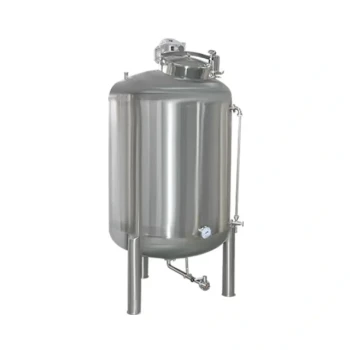
- If your primary focus is pollen wholesale: Invest in sealed, low-temperature industrial tanks to prevent oxidation and maintain the high nutritional value required by the market.
- If your primary focus is biological safety and purity: Shift away from chemical fumigants toward physical cold treatment to guarantee a residue-free product for premium resellers.
Implementing industrial-grade cold storage is a strategic investment that secures the biological safety and commercial value of every frame in your inventory.
Summary Table:
| Storage Objective | Temperature Range | Primary Benefit |
|---|---|---|
| Pest Prevention | 0°C to 10°C | Halts wax moth life cycle and prevents larval feeding. |
| Pest Eradication | -20°C (24–48 hrs) | Physically eliminates Small Hive Beetle eggs and larvae. |
| Pathogen Control | Sub-zero | Neutralizes Nosema spores and prevents cross-contamination. |
| Pollen Stability | Low/Stable | Prevents oxidation and preserves nutritional lipids/vitamins. |
| Asset Reusability | Consistent Cold | Ensures frames are chemical-free and ready for immediate reuse. |
Scale Your Apiary Business with HONESTBEE
Partner with HONESTBEE to secure the highest standards of biosecurity and efficiency for your commercial operations. As a premier partner for distributors, wholesalers, and B2B resellers, we provide a one-stop sourcing solution for the full spectrum of beekeeping tools, machinery, and essential consumables.
Why choose HONESTBEE?
- Comprehensive Portfolio: From specialized hive-making and honey-filling machines to high-durability beekeeping hardware.
- Built for Profit: Competitive wholesale pricing, OEM/ODM support, and certified quality to protect your margins.
- Operational Excellence: Benefit from our deep industry expertise, rapid response times, and ultra-fast order fulfillment.
Ready to elevate your inventory and provide your customers with superior beekeeping solutions?
Contact our specialist team today for a custom wholesale quote!
References
- S Satyapriya. The Ecological and Economic Significance of Honey Bees: Challenges and Management in Indian Apiculture. DOI: 10.31031/cojts.2024.05.000611
This article is also based on technical information from HonestBee Knowledge Base .
Related Products
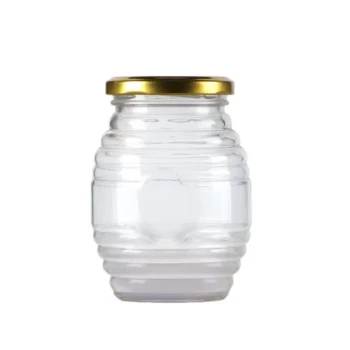
- Classic Glass Honey Jar with Metal Lug Cap for Beehive Storage
- Stainless Steel Honey Storage and Settling Tank with Double Strainer
- Plastic Honey Comb Frames Cassette Box for Honey
- Professional Honey Storage Tank with Agitation System
- Stainless Steel Honey Storage Tank with Lid for Honey
People Also Ask
- What are the benefits of glass jars regarding strength and safety for storing honey? Ensure Purity and Long-Term Quality
- What are the advantages of using glass jars for honey storage? Ensure Purity and Premium Appeal for Your Product
- What are the benefits of using high-transparency Glass Jars for honey? Elevate Purity and Premium Branding
- What is the aesthetic appeal of using glass jars for honey? Elevate Your Brand with Premium Packaging
- Which container is best for storing honey? Preserve Purity & Flavor with the Right Choice