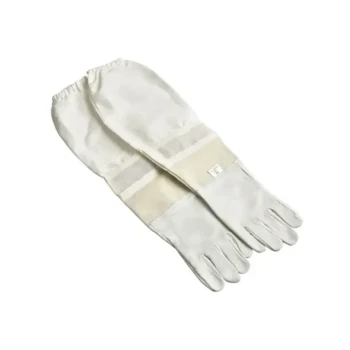
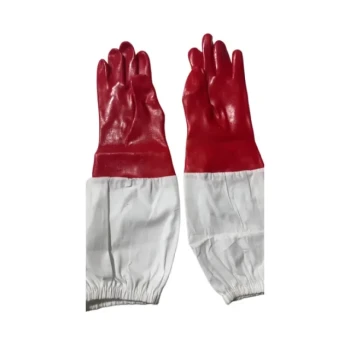
Industrial-grade protective equipment serves as the fundamental enabler of professional and safe apiary operations. By establishing a reliable physical barrier between the operator and the colony, this gear allows for deep, thorough hive inspections and frequent harvesting without the immediate threat of injury. This security is essential not just for personal safety, but for maintaining the rigorous precision required for effective pest control, disease prevention, and colony management.
The true value of high-quality protective gear extends beyond avoiding stings; it eliminates operator hesitation. By removing the fear of injury, beekeepers can focus entirely on the delicate mechanics of hive management, ensuring no critical maintenance step is skipped due to safety concerns.
The Operational Impact of Safety
The primary function of protective equipment is to shield the operator, but its secondary effect—operational stability—is arguably more critical for colony success.
Reducing Operator Stress
When a beekeeper is confident in their physical security, stress levels drop significantly. Low-stress environments prevent panic-induced errors, such as dropping frames or crushing bees, which can trigger further aggression from the colony.
Enhancing Precision in Management
Complex tasks, such as locating a queen, grafting larvae, or applying specific pest treatments, require steady hands and focus. Industrial-grade gear allows the operator to work slowly and deliberately, ensuring that management measures are implemented correctly rather than rushed.
Enabling Deep Hive Inspections
Effective disease prevention requires inspecting the deepest parts of the hive, where risks are often highest. Protective suits allow beekeepers to dismantle and inspect hives thoroughly, even when the colony is agitated or defending against predators.
Adapting to Colony Temperament
Different bee species and environmental conditions require different levels of intervention. Professional gear creates a standardized safety baseline regardless of the variables.
Managing Aggressive Species
For operations involving aggressive breeds, such as the African honeybee (Apis mellifera), standard clothing is insufficient. Specialized industrial gear provides the necessary seal to prevent stings from escalating into a medical emergency, allowing for the management of productive yet defensive colonies.
Addressing Non-Stinging Defenses
Even "stingless" bees (e.g., Trigona) possess defense mechanisms, such as biting or crawling into the eyes and ears. Full protective veils and suits provide a barrier against these intrusive behaviors, allowing the beekeeper to perform tasks like honey suction or hive cleaning without distraction.
Lowering the Entry Barrier
For new beekeepers, the fear of stings is a significant psychological hurdle. Comprehensive protection enables novices to gain experience and gauge colony aggression safely, facilitating a smoother learning curve during their first year of harvesting.
Efficiency and Quality Control
Protective equipment changes when and how beekeepers can work, directly influencing productivity.
Shifting Operations to Daytime
Historically, harvesting was often done at night to avoid stings, which limited visibility. Modern gear allows for daytime maintenance and harvesting, drastically increasing operational hours and allowing for better visual inspection of the colony's health.
Protecting Product Purity
In wild honey collection or complex forest environments, proper gear facilitates gentle intervention. This reduces the likelihood of contaminating the honey with impurities during the struggle of harvest, ensuring high-quality raw material for processing.
Understanding the Trade-offs
While essential, industrial-grade protection introduces specific challenges that must be managed to ensure it remains an asset rather than a hindrance.
The Dexterity vs. Protection Balance
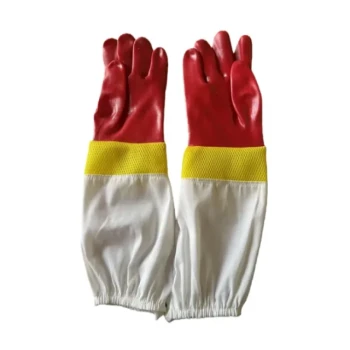
Heavier, more secure gloves and suits offer maximum protection but can limit tactile feedback. This loss of dexterity can make handling delicate frames difficult, potentially leading to accidental bee mortality if the operator is not careful.
Thermal Management
Thick, sting-proof materials can lead to overheating, especially in tropical climates. It is vital to select gear that balances a sealed physical barrier with breathable designs to prevent operator fatigue or heat exhaustion during long shifts.
Making the Right Choice for Your Goal
Selecting the appropriate level of protection depends on your experience level and the specific nature of your apiary.
- If your primary focus is establishing a new apiary: Prioritize a full bee suit to eliminate fear and allow you to safely gauge the temperament of your bees while learning.
- If your primary focus is managing aggressive or wild colonies: Utilize specialized industrial gear with reinforced seals and veils to prevent mass stinging events or invasive biting behaviors.
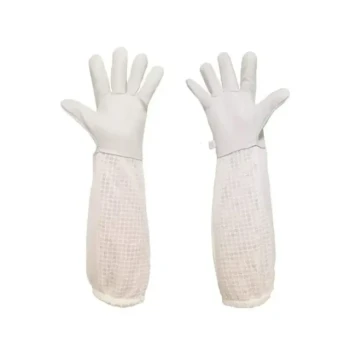
- If your primary focus is precision queen rearing or grafting: Consider lighter-weight gear or specialized gloves that offer a compromise between safety and the high dexterity required for fine motor tasks.
Effective colony management requires a calm, focused operator; the right protective equipment is the tool that guarantees that mindset.
Summary Table:
| Feature | Operational Benefit | Impact on Honey Harvesting |
|---|---|---|
| Physical Barrier | Prevents stings and defensive bites | Allows deep hive inspections without operator hesitation |
| Operator Confidence | Reduces panic-induced errors | Ensures steady hands for delicate tasks like queen grafting |
| Sealed Design | Safe management of aggressive breeds | Enables daytime harvesting, increasing total operational hours |
| Standardized Safety | Lowers the entry barrier for novices | Facilitates thorough disease prevention and pest control |
| High-Grade Material | Protects in diverse environments | Maintains product purity by enabling gentle intervention |
Elevate Your Beekeeping Standards with HONESTBEE
At HONESTBEE, we understand that professional-grade safety is the foundation of high-yield honey production. We provide commercial apiaries and distributors with premium industrial-grade protective gear, specialized hive-making machinery, and advanced honey-filling systems.
Whether you are scaling a commercial operation or supplying the industry, our comprehensive wholesale portfolio is designed to enhance your efficiency and safety. Contact us today to discover how our full spectrum of beekeeping tools and hardware can drive your success.
References
- A. Abdu, Girma Gudesho. Knowledge, Attitude and Practice of Bee Keeping in Nadhi-Nono District, Illubabor Zone, Oromia Regional State, Ethiopia. DOI: 10.11648/j.ab.20251302.11
This article is also based on technical information from HonestBee Knowledge Base .
Related Products
- Premium Cowboy Beekeeper Hat with Visibility Veil Outdoor Professional Beekeeping Protective Gear
- High Security Emlock Strap System
- Premium Cotton Beekeeper Suit with Reinforced Fencing Veil
- Professional Square Folding Wire Mesh Beekeeping Veil
- JZBZ Style Push-In Cell Protector for Professional Queen Rearing Kits
People Also Ask
- What design features contribute to the stability and fit of the beekeeper hat? Key Features for Maximum Hive Safety
- How is the beekeeper hat designed for comfort and practicality? Explore Key Features for Enhanced Apiary Safety
- What is the general protective gear recommendation for new beekeepers? Your Essential Beginner's Safety Guide
- How does beekeeping protective gear facilitate the queen bee selection process? Enhancing Precision in Queen Breeding
- What should beekeepers consider when choosing protective gear? A Guide for Maximum Safety & Comfort