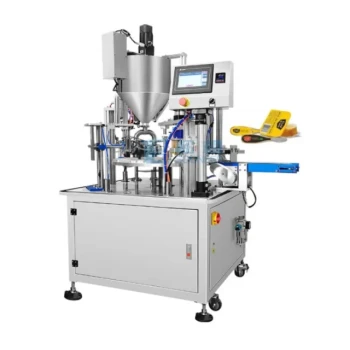
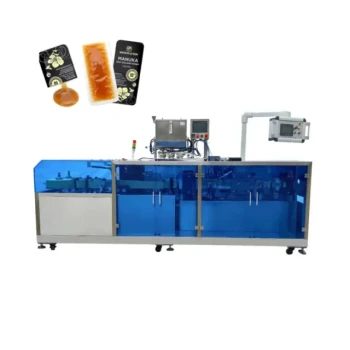
Regional floral diversity creates significant variations in honey viscosity and crystallization rates. Commercially, selecting machinery tailored to these specific physical properties is critical because generic equipment often fails to handle local textures efficiently. Matching the hardware to the honey ensures consistent packaging standards and maximizes processing speed, directly impacting the bottom line.
Success in modern apiculture relies on bridging the gap between biological variability and industrial consistency. By aligning equipment specifications with local nectar characteristics, producers transform raw regional variations into standardized, globally competitive commodities.
The Physical Impact of Geography on Processing
Variability in Viscosity
Honey produced in different regions is derived from diverse nectar plants. This results in distinct physical consistencies, ranging from highly fluid to extremely viscous.
Machinery must be calibrated or selected to handle these specific flow rates. Equipment designed for thin honey may leak or overfill when processing thicker varieties, while heavy-duty pumps are required for high-viscosity products to prevent mechanical strain.
Managing Crystallization Speeds
Certain regional honeys crystallize much faster than others due to their specific glucose-to-fructose ratios.
If filling machinery is not designed to handle semi-solid states or lacks appropriate temperature controls, the bottling process will suffer from frequent jams. Specialized equipment anticipates this, ensuring smooth operation regardless of the honey's natural tendency to harden.
Operational Efficiency and Standardization
Achieving High-Density Production
Standardized hive-making machinery allows for the rapid creation of uniform hive boxes. This physical infrastructure is the foundation for high-density beekeeping.
By utilizing standardized dimensions, beekeepers can optimize the layout of their apiaries. This scientific management approach allows for periodic, efficient harvesting that far exceeds the yields of traditional wild harvesting.
Handling Peak Season Throughput
During peak production seasons, the volume of raw honey can be overwhelming. Industrial-grade filling machinery provides the necessary throughput to process these large batches quickly.
Automated quantitative control ensures that every unit meets precise weight and volume standards. This transforms a variable agricultural by-product into a shelf-ready commercial commodity with speed and precision.
Hygiene and Export Compliance
Industrial systems utilize sealed designs that go beyond simple efficiency. These designs are critical for preventing environmental contaminants and antibiotic cross-contamination.
For producers targeting international markets, this hardware capability is essential. It ensures the product meets stringent hygiene standards required for export, preserving the quality of organic honey.
Common Pitfalls to Avoid
The Risk of Mismatched Equipment
Investing in "universal" equipment often leads to operational bottlenecks. A machine that is merely "good enough" for all types of honey is rarely excellent for any specific type.
Using machinery ill-suited for a specific region's viscosity can lead to inconsistent fill levels. This results in product waste and packaging that fails to meet regulatory standards.
Overlooking Maintenance for Specific Textures
High-viscosity or fast-crystallizing honey places significant stress on mechanical components.
Operators often underestimate the wear and tear caused by these physical characteristics. Without specialized machinery designed to withstand specific abrasive or resistive forces, maintenance costs will escalate, and equipment lifespan will decrease.
Making the Right Choice for Your Goal
To select the correct machinery, you must first audit the biological characteristics of your local honey flow.
- If your primary focus is Production Volume: Prioritize industrial-grade automated filling systems that offer high-speed quantitative control to handle peak season surges.
- If your primary focus is Export Quality: Select machinery with sealed designs and advanced filtration to ensure hygiene compliance and prevent cross-contamination.
- If your primary focus is Operational Efficiency: Choose hive-making and filling equipment specifically calibrated to the viscosity and crystallization profile of your local nectar sources to minimize downtime.
Matching your mechanical infrastructure to your biological reality is the single most effective way to secure commercial viability in the honey market.
Summary Table:
| Factor | Impact of Regional Variation | Equipment Solution |
|---|---|---|
| Viscosity | Ranges from fluid to thick; affects flow rate | Calibrated pumps and leak-proof filling heads |
| Crystallization | Fast-hardening glucose ratios cause jams | Temperature-controlled systems and heavy-duty fillers |
| Peak Season Volume | Overwhelming raw honey throughput | High-speed automated quantitative machinery |
| Export Standards | Risk of contamination and inconsistency | Sealed industrial designs and precision filtration |
| Hive Infrastructure | Need for uniform apiary management | Standardized hive-making machines for high-density yield |
Maximize Your Apiary’s Commercial Potential with HONESTBEE
At HONESTBEE, we understand that no two honey types are the same. We cater specifically to commercial apiaries and distributors, providing a comprehensive wholesale range of beekeeping tools, specialized machinery, and essential consumables.
Whether you need specialized hive-making machines to build a standardized infrastructure or precision honey-filling machines calibrated for your region's unique viscosity, our portfolio delivers the industrial consistency your business demands. From hardware to honey-themed cultural merchandise, we help you transform raw regional harvests into globally competitive commodities.
Ready to scale your production and ensure export-grade quality?
Contact HONESTBEE Today for a Professional Consultation
References
- Jose Juan Alcivar-Saldaña, María Margarita Canales-Martínez. Current Knowledge of the Melliferous Florae in Mexico Using Methodologies to Understand Bee–Plant–Human Interactions. DOI: 10.3390/app13158591
This article is also based on technical information from HonestBee Knowledge Base .
Related Products
- Economy Small Honey Filling Machine Honey Bottle Filler Packaging Machine
- Automatic Honey Filling and Filtering Machine for Beekeeping Bottle Filling
- Precision Durable Efficient HONESTBEE Rotary Honey Filling Machine
- Double Nozzle Small Honey Filling Machine Honey Sachet Packing Packaging Equipment
- Fully Automatic Honey Filling Packaging Machine for Processing Line
People Also Ask
- Why is the hygiene and precision of honey filling machinery critical? Maximize Your Honey's Retail Value
- Why are professional honey filling machinery and specialized storage consumables vital? Ensure Quality & Scalability
- Why is high-precision honey filling machinery required for stingless bee honey? Ensure Stability and Market Value
- Why is professional honey filling machinery critical for honey production? Scale Your Apiary's Profit & Efficiency
- Why is high-capacity honey filling machinery necessary for Giant Honey Bees? Solve the Apis dorsata Volume Crisis