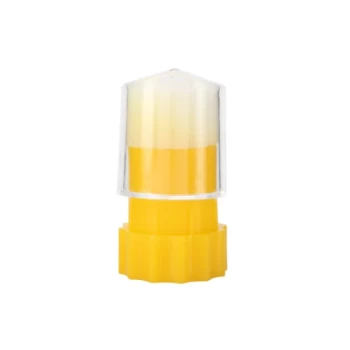
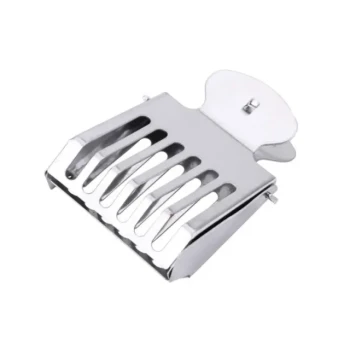
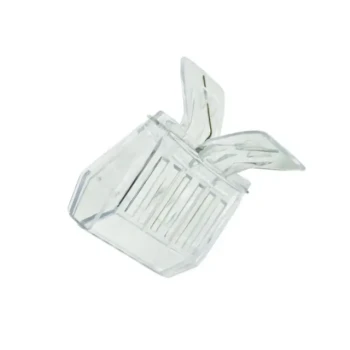
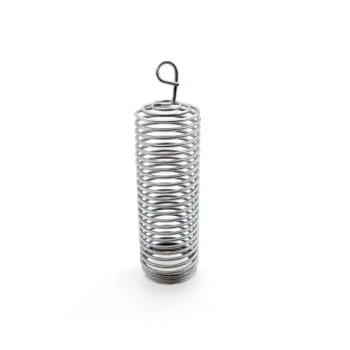
Ensuring the paint has fully cured is not just a cosmetic preference; it is a functional necessity. Releasing a queen with wet paint triggers the immediate grooming instincts of attendant bees, who will rapidly clean the foreign substance off her thorax, rendering the marking effort useless. Furthermore, allowing the paint to dry completely guarantees that the mark adheres securely, ensuring it remains visible for the entire duration of the queen's life.
The primary goal of drying is to bypass the colony’s grooming instinct. By waiting for the paint to harden, you prevent workers from removing the identifier and ensure the mark withstands the rigors of the hive for years.
The Biological Response of the Colony
Overcoming the Cleaning Instinct
Honey bees are fastidious groomers. If a queen returns to the brood nest with wet, tacky paint, the attendant bees perceive it as debris or a foreign contaminant.
They will immediately attempt to clean her. If the paint is not dry, they will succeed in scrubbing it off, negating the purpose of the mark.
Ensuring Long-Term Adhesion
The mark needs to serve as a visual identifier for the queen's entire lifespan. Paint that is allowed to cure undisturbed forms a durable bond with the chitin on the queen's thorax.
Releasing her too early compromises this bond. A partially dried mark is likely to flake off or fade prematurely, leading to future identification problems.
Protecting the Queen During the Process
Managing Temperature Risks
While waiting for the paint to dry, you must confine the queen for several minutes. It is critical that this is done in a shaded area.
Direct sunlight can cause the queen to overheat rapidly within a marking cage or plunger. Shade ensures she remains calm and physically safe while the solvent evaporates.
The Release Protocol
Once the paint is dry to the touch, the release must be handled with precision. The queen should be gently placed back onto a brood frame.
Carefully insert the frame back into the broodnest. Rushing this step risks "rolling" or injuring the queen between frames, which can be fatal to her or cause the colony to reject her.
Common Pitfalls to Avoid
The Illusion of "Tacky" Paint
A common mistake is releasing the queen when the paint is merely "set" but not fully hard. If the paint is tacky, it is still vulnerable to removal by workers.
Environmental Stress
Never leave a confined queen unattended in the sun to "speed up" the drying process. This creates a high risk of desiccation and overheating. The drying process requires patience, not heat.
Making the Right Choice for Your Goal
To ensure your marking effort is successful and safe, follow these guidelines based on your immediate objective:
- If your primary focus is the longevity of the mark: Ensure the queen remains confined in the shade for several minutes until the paint is completely hard, preventing premature removal by attendants.
- If your primary focus is queen safety: Prioritize keeping the queen in the shade during the drying phase to prevent overheating, and release her gently onto a brood frame to avoid injury.
The few minutes spent ensuring the paint is dry protects both the queen's health and the long-term management of the hive.
Summary Table:
| Key Aspect | Why It Matters | Best Practice |
|---|---|---|
| Grooming Prevention | Prevents workers from scrubbing off wet paint as debris. | Wait until the paint is no longer tacky. |
| Long-Term Adhesion | Ensures the mark bonds to the thorax for the queen's life. | Allow paint to cure undisturbed in a cage. |
| Thermal Safety | Prevents the queen from overheating during the wait. | Always keep the marking cage in the shade. |
| Reintroduction | Minimizes risk of injury or colony rejection. | Release gently onto a brood frame. |
Scale Your Apiary Operations with HONESTBEE
At HONESTBEE, we empower commercial apiaries and distributors with high-performance beekeeping solutions. Whether you need professional-grade marking tools, specialized hive-making and honey-filling machinery, or essential industry consumables, our comprehensive wholesale portfolio is designed for efficiency and durability.
Boost your productivity and secure your queen management today. Contact HONESTBEE to discuss your wholesale needs and explore our full range of professional beekeeping hardware and cultural merchandise.
Related Products
- Queen Bee Marking Pen POSCA Queen Marking Pens for Beekeeping Bee Markers
- Queen Bee Marking Pen UNI Medium Point for Queen and Bee Marking
- Plastic Long Marker Device for Catching and Marking Bees Queen Bee Marking Tube and Cage
- One Hand Yellow Queen Marking Catcher Tube Cage Beekeeper Tool Accessory for Queen Bee
- Queen Bee Catcher Plastic Bee Marker Bottle with Piston Marking Tube
People Also Ask
- What role do specialized marking pens and color-coding systems play in honeybee tracking? Enhance Research Precision
- Why are specialized marking pens used for stingless bee queens? Essential Tools for Large-Scale Breeding Success
- How should a new paint pen be primed before marking a queen bee? Essential Tips for Safe & Clear Markings
- How should a queen bee marking pen tip be properly primed? Master the Art of Safe Queen Marking
- What specifications are required for a high-quality queen bee marking pen? Ensure Safety and Precision for Your Colony