Applying a food-grade varnish is an absolute necessity for metal honey containers due to the natural chemical properties of honey itself. Because honey is naturally acidic, direct contact with metallic surfaces triggers a reaction that leads to container corrosion and the migration of metal ions into the product. The varnish acts as a dense chemical barrier, physically separating the liquid from the metal to ensure safety, purity, and stability.
The varnish serves as a critical interface between an acidic product and a reactive container. By preventing direct contact, it eliminates the risk of metal ion migration and corrosion, thereby preserving the honey's composition and extending its shelf life.
The Chemistry of Honey and Metal
The Factor of Natural Acidity
Honey is not a neutral substance; it possesses natural acidity. While this acidity contributes to honey's flavor and stability, it creates a hostile environment for uncoated metals.
The Mechanism of Corrosion
When acidic honey comes into direct contact with aluminum or other metals, it initiates a chemical reaction. This reaction degrades the inner surface of the container, leading to corrosion.
The Risk of Ion Migration
As the container wall corrodes, metal ions are released. These ions migrate directly into the honey, chemically altering the product and compromising its safety for consumption.
The Function of the Varnish Layer
Creating a Dense Chemical Barrier
The application of food-grade varnish creates a dense chemical barrier inside the container. This coating effectively isolates the metal, ensuring the honey never touches the reactive surface.
Preventing Spoilage
By blocking the interaction between the acid and the metal, the varnish protects the product from spoilage. This ensures the honey maintains its original sensory characteristics and chemical composition.
Extending Shelf Life
A compromised container leads to rapid degradation of the product. The protective coating is essential for extending shelf life, allowing the honey to remain stable throughout storage and logistics.
Common Pitfalls to Avoid
Overlooking Coating Integrity
The mere presence of a coating is not enough; it must be a continuous, dense layer. Any scratch or gap in the varnish re-exposes the metal to the honey's acidity, creating a focal point for corrosion and contamination.
Confusing Material Requirements
Different packaging materials react differently to honey. While wood requires lining to prevent moisture absorption and odors, metal specifically requires protection against chemical reactivity. Treating metal containers without addressing their susceptibility to acid is a critical safety failure.
Making the Right Choice for Your Goal
To ensure the integrity of your product, evaluate your packaging based on these specific priorities:
- If your primary focus is Food Safety: Prioritize containers with certified food-grade varnish to strictly prevent the migration of harmful metal ions into the honey.
- If your primary focus is Long-Term Storage: Ensure the internal coating forms a dense, uncompromised barrier to prevent corrosion-induced spoilage over time.
A high-quality varnish is not merely an accessory; it is the fundamental component that makes metal packaging viable for acidic food products like honey.
Summary Table:
| Feature | Risk Without Varnish | Benefit With Food-Grade Varnish |
|---|---|---|
| Chemical Reaction | Acidic honey corrodes metal surfaces | Creates a dense chemical barrier |
| Product Purity | Metal ions migrate into the honey | Maintains original composition and flavor |
| Shelf Life | Rapid spoilage and container degradation | Extends stability during storage and logistics |
| Safety Standards | Potential contamination and toxicity | Ensures compliance with food safety regulations |
Secure Your Honey Quality with HONESTBEE Packaging Solutions
At HONESTBEE, we understand that for commercial apiaries and distributors, the integrity of your honey is your reputation. We provide high-quality, food-grade beekeeping equipment and storage solutions designed to withstand the natural acidity of honey. From specialized honey-filling machines to durable, coated containers, our comprehensive wholesale offering ensures your product remains pure from hive to home.
Ready to upgrade your storage and processing machinery? Contact our experts today to discuss how our specialized hardware and consumables can protect your harvest and grow your business.
References
- Usif Abulfat Humbatov. IMPROVING THE DELIVERY AND MARKETING OF BEEKEEPING PRODUCTS TO CONSUMERS. DOI: 10.15863/tas.2015.09.29.12
This article is also based on technical information from HonestBee Knowledge Base .
Related Products
- Food Grade Plastic Honey Bucket Pail for Beekeeping
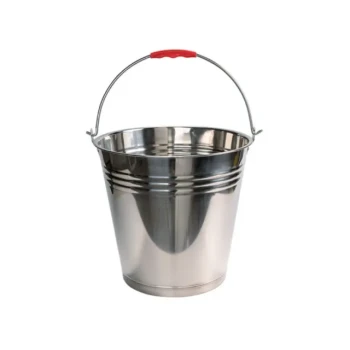
- Premium Stainless Steel Honey Tank Bucket Pail with Reinforced Handle and Polished Finish
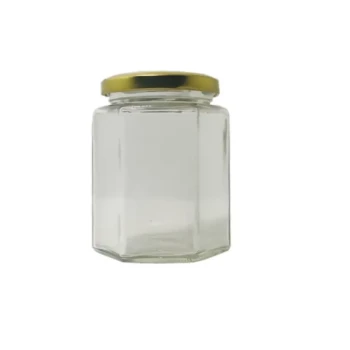
- Hexagonal Glass Honey Jars with Metal Lug Caps Elegant Versatile Packaging
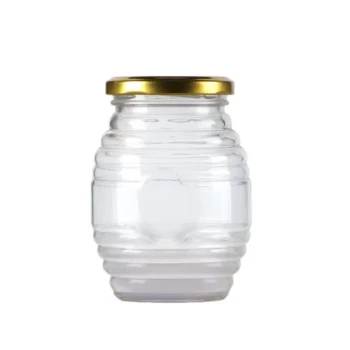
- Classic Glass Honey Jar with Metal Lug Cap for Beehive Storage
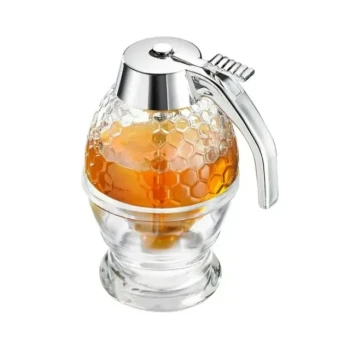
- Honeycomb Style Drip Free Honey Dispenser
People Also Ask
- What key operational precautions should be taken when using honey buckets and extractors fitted with bottom drain taps?
- What functions do food-grade honey buckets perform? Safeguard Your Harvest and Optimize Apiary Logistics
- Why are food-grade plastic buckets preferred for honey? Protect Quality with Modern Honey Collection Tools
- What is the significance of food-grade plastic honey collection buckets? Boost Quality in Forest Honey Logistics
- What is a honey pail? The Essential Container for Protecting Your Honey's Value