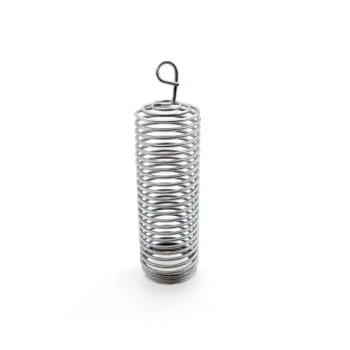
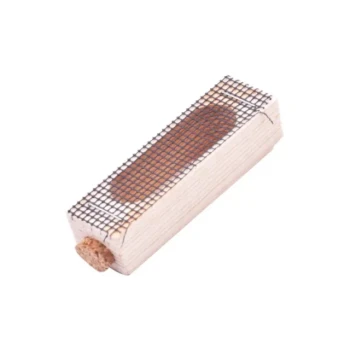
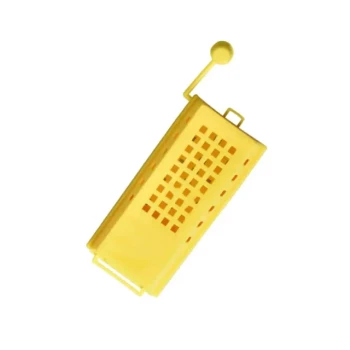
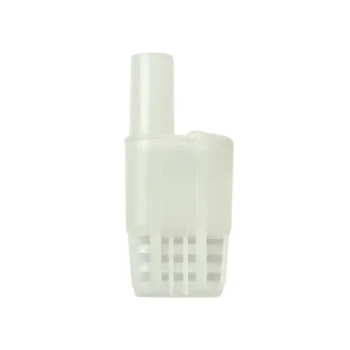
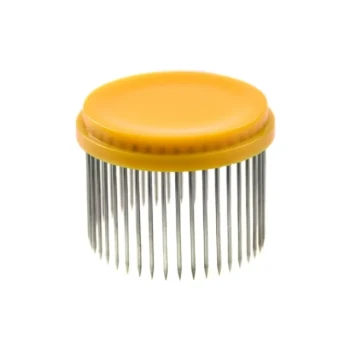
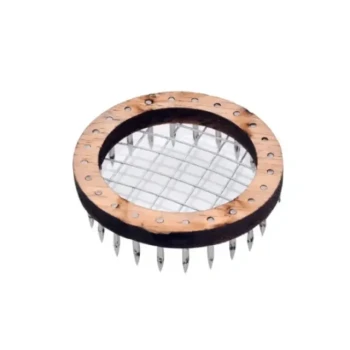
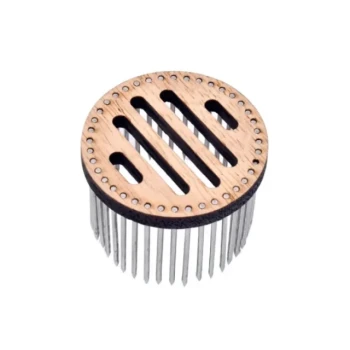
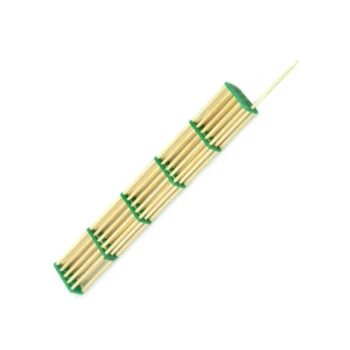
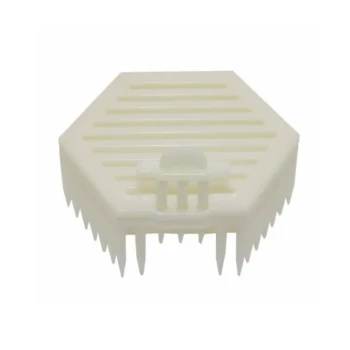
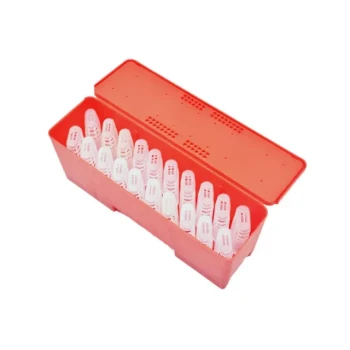
Incorporating mechanical tools allows beekeepers to manipulate the reproductive cycle of the Varroa mite, shifting control from chemical reliance to biological strategy. These tools are necessary because they physically disrupt the mite's life cycle: queen cages force mites into a vulnerable, exposed state, while drone brood removal extracts the breeding population by exploiting their natural preference for specific cells.
The core necessity of mechanical tools lies in disruption and exposure. By creating brood-free periods or physically removing infested combs, you significantly reduce the mite population baseline and maximize the effectiveness of treatments, thereby reducing the long-term need for chemical veterinary drugs.
Creating Vulnerability with Queen Cages
The Artificial Broodless Period
The primary function of a queen cage in this context is to create a controlled, brood-free period.
By confining the queen and restricting her egg-laying activity for a set duration, you ensure there are no new larvae available in the colony.
Forcing the Phoretic Stage
Varroa mites reproduce inside capped brood cells, where they are shielded from many external treatments.
When the queen is caged and brood creates a gap in development, mites are forced to migrate onto the bodies of adult worker bees. This is known as the phoretic stage.
Maximizing Treatment Efficacy
Once mites are in the phoretic stage, they are no longer hidden.
This exposure is critical because it significantly increases the contact rate of treatments. Applying a treatment like oxalic acid during this induced broodless window results in far higher control efficacy than treating a colony full of capped brood.
Lowering Population Baselines via Drone Removal
Exploiting Biological Preferences
Varroa mites do not infest all bee cells equally; they have a distinct biological preference for drone brood.
Mites reproduce significantly faster in drone cells, producing approximately 2.2 to 2.6 offspring per cycle, compared to only 1.3 to 1.4 offspring in worker cells.
The "Trap and Remove" Strategy
Drone brood removal tools allow you to use this preference against the parasite.
By placing a specific drone comb in the hive, you create a "trap" that attracts a large portion of the reproducing mites.
Physical Reduction of Mite Load
The necessity of this tool is its ability to physically extract mites from the ecosystem.
By removing the drone comb before the drones emerge, you eliminate the mites trapped inside. This reduces the overall population baseline without introducing any chemicals into the hive.
Understanding the Operational Requirements
Precision Timing is Critical
Mechanical control is not a passive process; it requires strict adherence to biological timelines.
For drone brood removal, failure to remove the comb before emergence will have the opposite effect, releasing a massive wave of new mites into the colony.
Active Management vs. Chemical Convenience
These tools require more physical intervention than simple chemical strips.
However, the trade-off is a sustainable reduction in reliance on chemical veterinary drugs, preserving the long-term health of the hive and the quality of hive products.
Making the Right Choice for Your Goal
To effectively integrate these tools, align them with your specific management objectives:
- If your primary focus is maximizing treatment kill rates: Prioritize queen cages to induce a broodless state before applying oxalic acid, ensuring mites have nowhere to hide.
- If your primary focus is chemical-free load reduction: Utilize drone brood removal continuously during the drone-rearing season to physically export the breeding mite population.
Mechanical tools transform Varroa management from a reaction to an infection into a proactive disruption of the pest's biology.
Summary Table:
| Tool Type | Primary Function | Biological Mechanism | Key Benefit |
|---|---|---|---|
| Queen Cages | Creates broodless periods | Forces mites into the phoretic stage (on adult bees) | Increases efficacy of treatments like oxalic acid |
| Drone Brood Tools | Trap and remove strategy | Exploits mite preference for drone cells (higher reproduction) | Physically eliminates mite population without chemicals |
Elevate Your Apiary Management with HONESTBEE
Transitioning from chemical reliance to biological precision requires the right equipment. HONESTBEE empowers commercial apiaries and distributors with high-quality, professional-grade mechanical tools designed for effective Varroa management.
Our extensive wholesale portfolio includes everything from queen cages and specialized drone combs to advanced honey-filling machines and hive-making hardware. Whether you are scaling a commercial operation or supplying the industry, we provide the essential consumables and machinery needed to maintain healthy, productive colonies.
Ready to optimize your beekeeping operations? Contact us today to discuss our wholesale offerings and discover how our comprehensive equipment range can add value to your business.
References
- Ziad Mezher, Giovanni Formato. Conducting an International, Exploratory Survey to Collect Data on Honey Bee Disease Management and Control. DOI: 10.3390/app11167311
This article is also based on technical information from HonestBee Knowledge Base .
Related Products
- Durable Galvanized Steel Spring Queen Bee Cage
- Classic Wooden and Mesh California Queen Cage
- Professional Queen Bee Introduction and Transport Cage
- Professional Queen Cage with Sliding Gate and Feeder Plug
- Professional Multi-Compartment Queen Cage with Sliding Lid
People Also Ask
- Why are specialized queen bee cages used for the banking of mated queen bees? Maximize Commercial Apiary Storage Efficiency
- What is the mechanism of action for using temporary queen bee cages? Master Successful Queen Introduction
- What is the step-by-step process for installing a queen bee's cage onto a frame? Ensure Hive Acceptance Safely
- What is the optimal placement for a queen bee cage? Essential Strategies for Successful Re-queening
- What are the advantages and disadvantages of introducing a queen bee by embedding the cage? Boost Your Queen Acceptance