Using industrial fertilizer bags for honey storage creates an immediate and severe food safety hazard. These woven bags, which previously held agricultural chemicals like urea or diammonium phosphate, retain toxic residues that easily permeate the honey. This process results in significant chemical contamination, rendering the honey unsafe for consumption and effectively destroying the product's quality.
Core Takeaway Honey is a chemically active substance that readily absorbs contaminants from its environment. Placing it in reused industrial packaging guarantees the leaching of hazardous chemical residues, a process that cannot be prevented by washing the bags.
The Mechanisms of Contamination
Chemical Leaching
The primary danger lies in the interaction between the honey and the bag's previous contents. Industrial bags are typically impregnated with traces of fertilizers such as urea and diammonium phosphate.
Because honey is a solvent, it actively dissolves and assimilates these chemical residues. Once these toxins leach into the honey, they cannot be removed, resulting in permanent spoilage.
The Problem with Woven Materials
Industrial fertilizer bags are generally made of woven plastic fibers. This physical structure is inherently unsuitable for liquid food storage.
Unlike solid food-grade containers, the woven texture traps microscopic chemical particles that cleaning cannot eliminate. This ensures that contamination is continuous throughout the storage period.
Honey's Unique Vulnerabilities
Hygroscopic Absorption
Honey is hygroscopic, meaning it naturally absorbs moisture from the surrounding atmosphere.
Woven bags cannot provide an airtight seal. They allow ambient air and humidity to pass through, which dilutes the honey and can lead to fermentation or spoilage.
Odor and Flavor Tainting
Beyond chemical safety, the quality of honey depends on its flavor profile. Honey absorbs foreign odors just as easily as it absorbs moisture.
An industrial bag will impart the smell of plastic and fertilizer into the honey. This destroys the natural floral aroma and taste, significantly devaluing the product even if the chemical levels were technically negligible.
Common Pitfalls and Misconceptions
The Illusion of "Cleaning"
A common mistake is believing that thoroughly washing a fertilizer bag makes it safe for reuse.
This is chemically incorrect regarding porous or woven plastics used for industrial agents. The chemicals bind to the plastic matrix and hide within the weave, releasing back into the honey over time.
False Economy
Producers often reuse bags to save on packaging costs. However, this creates a false economy.
The loss of product value due to contamination and the potential legal or health liabilities far outweigh the small cost of purchasing proper vessels.
Making the Right Choice for Your Goal
To preserve the integrity and safety of your honey, you must move away from makeshift solutions and toward professional storage standards.
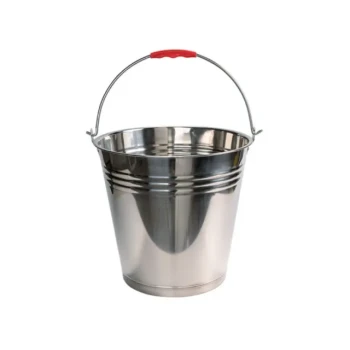
- If your primary focus is absolute chemical purity: Use stainless steel containers, as they are non-reactive and provide the highest level of protection against leaching.
- If your primary focus is long-term preservation: Select food-grade plastic buckets with airtight seals to prevent moisture absorption and maintain stability for periods exceeding one year.
Invest in the right vessel to ensure the effort put into production is not wasted by improper storage.
Summary Table:
| Hazard Category | Impact of Fertilizer Bags | Recommended Solution |
|---|---|---|
| Chemical Safety | Leaching of urea and phosphate residues | Food-grade plastic or stainless steel |
| Material Integrity | Woven fibers trap microscopic toxins | Solid-wall, non-porous containers |
| Moisture Control | High risk of fermentation due to airflow | Airtight, hermetically sealed vessels |
| Flavor Profile | Absorption of industrial odors and plastic taste | Inert materials to preserve floral aroma |
Secure Your Honey Harvest with Professional-Grade Solutions
Protect your product’s purity and your brand’s reputation by moving beyond makeshift storage. HONESTBEE empowers commercial apiaries and distributors with high-quality, food-grade beekeeping equipment designed to maintain the highest safety standards. From honey-filling machines to specialized wholesale beekeeping tools and hardware, we provide the essential infrastructure your business needs to scale safely.
Don't let improper packaging devalue your hard work. Contact us today to explore our comprehensive range of machinery and industry consumables tailored for professional honey production and distribution.
References
- Dekamo Fiseha. Assessment on Postharvest Handling Practices of Honey in Chena District, Southwestern Ethiopia. DOI: 10.7176/fsqm/89-04
This article is also based on technical information from HonestBee Knowledge Base .
Related Products
- Food Grade Plastic Honey Bucket Pail for Beekeeping
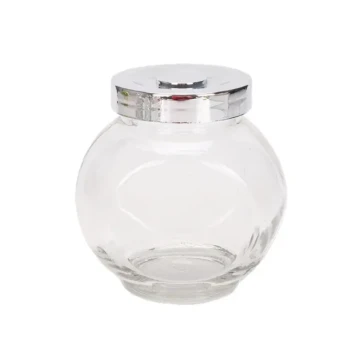
- Classic Drum Shaped Glass Honey Jar with Airtight Lid
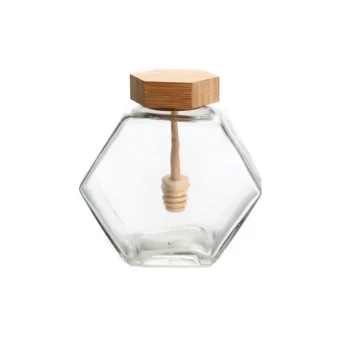
- Hexagonal Glass Honey Jar with Wooden Lid Integrated Dipper Elegant Functional Storage
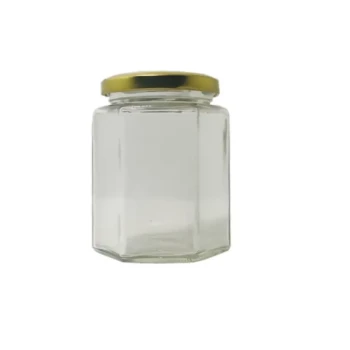
- Hexagonal Glass Honey Jars with Metal Lug Caps Elegant Versatile Packaging
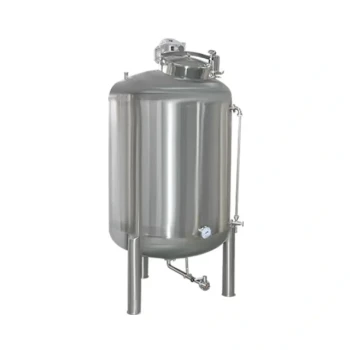
- Stainless Steel Honey Storage Tank with Lid for Honey
People Also Ask
- What key operational precautions should be taken when using honey buckets and extractors fitted with bottom drain taps?
- What functions do food-grade honey buckets perform? Safeguard Your Harvest and Optimize Apiary Logistics
- Why are food-grade plastic buckets preferred for honey? Protect Quality with Modern Honey Collection Tools
- What is the significance of food-grade plastic honey collection buckets? Boost Quality in Forest Honey Logistics
- What is a honey pail? The Essential Container for Protecting Your Honey's Value