To ensure temporal accuracy and sample purity, you must select uncapped honey cells from new wax combs. This specific sampling method guarantees that the nectar and pollen collected reflect the colony's current foraging activity, rather than historical data mixed with older stores. By isolating these cells, you eliminate the risk of contamination from previous seasons, enabling precise determination of the honey's botanical origin.
Core Insight: Accurate botanical analysis relies on capturing a specific moment in time; sampling uncapped cells from new wax creates a "temporal snapshot" that prevents the data corruption caused by mixing nectar from different flowering periods.
The Science of Sampling for Botanical Origin
To understand why this method is non-negotiable for scientific analysis, we must look at how honeybees store resources and how this impacts laboratory results.
Capturing Current Foraging Activity
The primary goal of botanical origin analysis is often to link specific honey to a specific bloom time.
Uncapped cells generally contain nectar that has been recently gathered. Because the bees have not yet dehydrated and capped these cells for long-term storage, the contents represent immediate foraging behavior. This allows researchers to pinpoint exactly which plants are currently contributing to the hive's resources.
Avoiding Historical Contamination
Old wax combs act as a repository for the colony's history.
They may contain residues, pollen, or nectar from previous weeks, months, or even years. If you sample from old wax, you risk blending the current nectar flow with older honey stores. Using new wax combs ensures the storage vessel itself does not introduce foreign pollen profiles into your sample.
Identifying Monofloral Varieties
Precision is paramount when attempting to classify honey as "monofloral" (derived primarily from a single plant species).
To scientifically validate a specific variety, the pollen spectrum must be distinct and dominant. Mixing current nectar with older stores dilutes this spectrum. Strict sampling from new, uncapped sources preserves the unique chemical and pollen fingerprint required for this classification.
Maintaining Sample Integrity
While the selection of the comb is the foundation of accuracy, the handling of the sample is equally critical to the final result.
Preventing Secondary Contamination
Even a perfectly selected sample can be compromised after collection.
As noted in supplementary protocols, the use of sterile sampling containers is essential. This prevents the introduction of external pollen or microorganisms that were not present in the hive.
Preserving the Pollen Spectrum
The laboratory analysis relies on counting and identifying pollen grains to determine geographical and botanical origin.
Any foreign matter introduced by non-sterile tools or containers alters the original pollen spectrum. Protecting this integrity ensures the sample meets strict organic purity standards and geographical sourcing requirements.
Understanding the Trade-offs
While sampling from uncapped cells on new wax is the gold standard for accuracy, it presents logistical challenges that must be managed.
Volume Limitations
Targeting only uncapped cells on new wax restricts the volume of honey you can collect. You cannot simply extract a full frame; you must selectively harvest specific areas, often yielding smaller sample sizes.
Hive Management Requirements
This method requires the colony to be actively drawing new comb. During periods of low nectar flow or colony stress, bees may not produce new wax, making it difficult or impossible to obtain these specific samples without prior manipulation of the hive.
Making the Right Choice for Your Goal
The strictness of your sampling protocol should be dictated by the ultimate objective of your analysis.
- If your primary focus is Scientific Research or Certification: Prioritize uncapped cells on new wax exclusively to ensure the data reflects a precise timeframe and botanical source without historical contamination.
- If your primary focus is General Regional Profiling: You may tolerate slightly wider sampling parameters, but strictly adhere to sterile container protocols to prevent environmental contamination.
By rigorously controlling where and when you sample, you transform a simple jar of honey into a reliable dataset.
Summary Table:
| Factor | New Wax / Uncapped Cells | Old Wax / Capped Cells |
|---|---|---|
| Foraging Data | Reflects current nectar flow | Includes historical/mixed data |
| Purity Level | High (No residues from prior seasons) | Risk of cross-contamination |
| Pollen Fingerprint | Distinct and dominant (Monofloral) | Diluted or mixed pollen profile |
| Sample Goal | Precise scientific certification | General regional profiling |
Elevate Your Beekeeping Standards with HONESTBEE
Precise analysis starts with professional equipment. At HONESTBEE, we specialize in supporting commercial apiaries and distributors with a comprehensive range of high-quality wholesale beekeeping solutions. Whether you need specialized hive-making machinery, precision honey-filling machines, or essential industry consumables, our portfolio is designed to enhance your operational efficiency and sample integrity.
Ready to scale your production or upgrade your equipment? Contact us today to discover how our professional tools and machinery can add value to your business.
References
- Luis Tejera, Gloria Daners. Población y recursos alimenticios en colonias de Apis mellifera L. en Uruguay. DOI: 10.4321/s0004-05922013000400015
This article is also based on technical information from HonestBee Knowledge Base .
Related Products
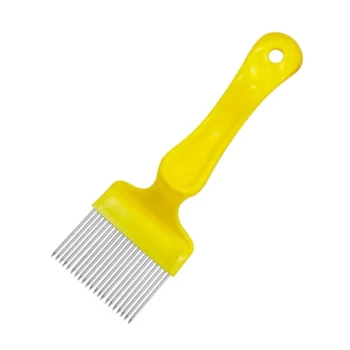
- Professional Customizable Honey Uncapping Fork with Adjustable Tine Options
- Professional Honey Uncapping Roller for Efficient Harvesting
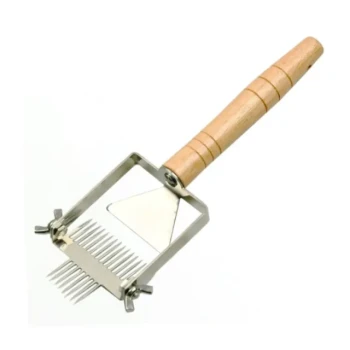
- Wide Adjustable Stainless Steel Honey Uncapping Fork with Scraper
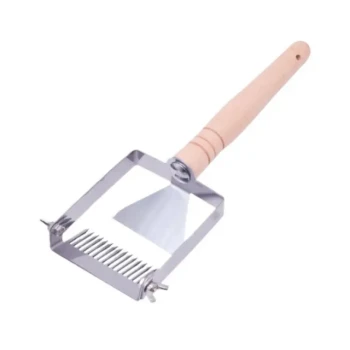
- Adjustable Stainless Steel Honey Uncapping Fork with Scraper Beekeeping Tool
- Adjustable Stainless Steel Honey Uncapping Fork with Scraper for Beekeeping
People Also Ask
- What tools are used for honey uncapping? Choose the Right Knife for Your Harvest
- What is the primary function of specialized honey uncapping tools? Maximize Your Extraction Yield and Efficiency
- What are the tools used for uncapping honeycombs? Expert Guide to Tools & Functions for Maximum Yield
- What are the essential tools for uncapping honey frames? Choose the Right Tool for Your Apiary
- What other tools are available for honey uncapping besides knives? Find the Right Tool for Your Apiary's Scale