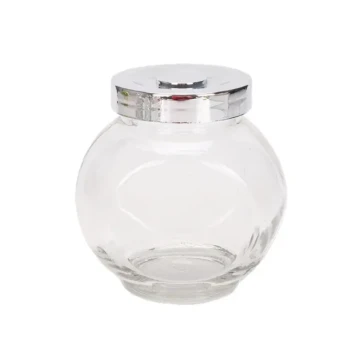
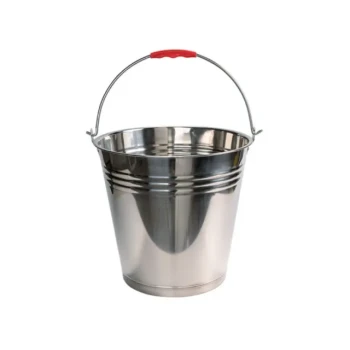
The integrity of honey analysis relies entirely on strictly isolating the sample from its environment. Storing honey in airtight transparent buckets is necessary to prevent the absorption of atmospheric moisture—a process known as hygroscopy—which alters critical physicochemical indicators. Simultaneously, the transparency allows for visual monitoring of the honey's state without breaking the seal and exposing the sample to external contaminants.
Core Insight: Reliable laboratory data requires a sample that remains chemically static from collection to testing. Airtight transparent containers serve a dual purpose: they lock in the original moisture content to prevent fermentation and allow non-invasive visual inspection of crystallization and spoilage.
Preserving Physicochemical Stability
Combating Hygroscopy
Honey is highly hygroscopic, meaning it naturally attracts and holds water molecules from the surrounding environment.
If a sample is exposed to air, its water content will fluctuate, invalidating the results of quantitative water analysis. An airtight seal creates a barrier that strictly isolates the honey, ensuring that the moisture levels measured in the lab reflect the original sample, not the storage humidity.
Preventing Fermentation
The absorption of excess moisture does more than just skew data; it can trigger biological changes.
Elevated water content creates an environment conducive to yeast activity, leading to fermentation and spoilage. By blocking moisture exchange, the airtight bucket maintains the honey's chemical stability, preventing the degradation of sugars and other components prior to testing.
Enabling Non-Invasive Observation
Visual Monitoring
The physical state of honey provides critical clues about its quality and handling requirements.
Transparent buckets allow analysts to observe physical changes, such as crystallization or phase separation, without opening the container. This is vital because opening a lid to check the sample breaks the sterile seal and re-introduces atmospheric variables.
Detecting Spoilage
Transparency facilitates the early detection of spoilage indicators, such as gas bubbles or foam formation.
If fermentation occurs, it can be identified visually through the bucket wall. This saves time by allowing technicians to flag compromised samples before they undergo expensive or time-consuming chemical analysis.
Avoiding Contamination
Protecting the Pollen Spectrum
For analysis involving melissopalynology (the study of pollen in honey), the sample must remain pristine.
Airtight buckets prevent the ingress of external dust and airborne pollen, which could skew the pollen spectrum. This isolation ensures that the pollen identified in the lab is authentic to the specific forage period and location of the hive.
Ensuring Chemical Purity
The "clean environment" provided by high-quality buckets extends to chemical safety.
Using proper food-grade containers (often Polyethylene/PE) prevents the migration of plasticizers or heavy metals into the honey. This prevents false-positive results when analyzing for trace residues, such as pesticides or polycyclic aromatic hydrocarbons (PAHs).
Common Pitfalls in Storage
The Risk of Material Leaching
Not all "airtight" buckets are suitable for analytical samples.
Using containers that are not explicitly food-grade or chemically stable can introduce impurities. For example, reactive metals can cause oxidation or off-odors, while low-grade plastics may leach chemicals that interfere with sensitive spectrometry.
The Temperature Variable
While the bucket controls moisture and contamination, it cannot control temperature on its own.
Even in an airtight bucket, temperature fluctuations can degrade antioxidant active substances like enzymes and phenolic compounds. The bucket must be stored in a constant temperature environment (ideally around 24°C ± 2°C) to fully protect the sample's bioactive profile.
Making the Right Choice for Your Goal
Selecting the correct storage method depends on which analytical metric is most critical to your project.
- If your primary focus is Moisture & Fermentation: Prioritize the quality of the seal to absolutely prevent hygroscopic water absorption.
- If your primary focus is Pollen Analysis: Prioritize cleanliness and isolation to prevent external dust from corrupting the pollen count.
- If your primary focus is Physical Assessment: Prioritize high transparency to monitor crystallization patterns without breaking containment.
The goal of the storage vessel is to suspend the honey in its original state, ensuring the laboratory results mirror the true quality of the harvest.
Summary Table:
| Storage Requirement | Key Benefit | Impact on Analysis |
|---|---|---|
| Airtight Seal | Prevents Hygroscopy | Maintains original moisture content; prevents fermentation. |
| Transparency | Non-invasive Monitoring | Allows visual check for crystallization/spoilage without breaking the seal. |
| Food-Grade Material | Chemical Purity | Prevents leaching of plasticizers or metals into the sample. |
| Strict Isolation | Contamination Control | Protects the pollen spectrum from external dust and airborne particles. |
Maximize Your Harvest's Potential with HONESTBEE
Precise analysis begins with the right equipment. At HONESTBEE, we understand the technical demands of commercial apiaries and distributors. We provide a comprehensive wholesale offering of high-quality beekeeping tools, specialized honey-filling machinery, and industry-essential consumables designed to maintain the integrity of your honey from hive to lab.
Whether you need hive-making equipment to scale your production or food-grade storage solutions to protect your physicochemical samples, our portfolio is built to support your growth. Empower your beekeeping business with professional-grade hardware and expert support.
Contact Honestbee Today to Discuss Your Wholesale Needs
References
- T. I. Aneni, O. O. Adeoye. Proximate Analysis of Honey Samples: NIFOR Apiary and Open Market. DOI: 10.26855/ijfsa.2023.03.006
This article is also based on technical information from HonestBee Knowledge Base .
Related Products
- Classic Drum Shaped Glass Honey Jar with Airtight Lid
- Stainless Steel Pail Perch Bucket Bench
- Premium Stainless Steel Honey Tank Bucket Pail with Reinforced Handle and Polished Finish
- Acrylic Lid Beekeeping Honey Extractor for Beekeepers
People Also Ask
- What is the best utensil to store honey? Preserve Purity with the Right Container
- How does the appearance of glass jar packaging affect the sales and perception of honey? Boost Your Premium Brand Value
- Why is a glass jar preferred for packaging honey? Ultimate Protection for Purity & Flavor
- What is the aesthetic appeal of using glass jars for honey? Elevate Your Brand with Premium Packaging
- What are the advantages of glass containers for honey? Elevate Quality and Market Value with Premium Packaging