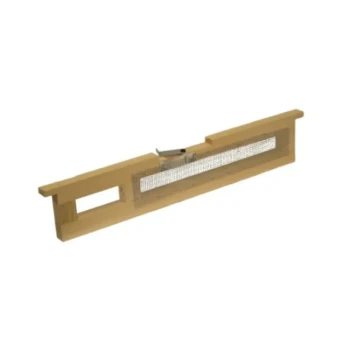
Treating traditional wooden beehives with hardwood smoke is a critical step for ensuring colony adoption. This process serves three primary functions: it neutralizes the repellent natural odors of raw timber, deposits a charred aroma that actively attracts scout bees, and provides a necessary layer of surface sterilization to the hive's interior.
Core Insight: The smoking process is effectively a form of biomimicry. By layering smoke with propolis and beeswax, you are engineering the artificial hive to replicate the olfactory and physical conditions of a natural, hollowed tree cavity.
The Science of Scent and Attraction
Neutralizing Raw Material Odors
Freshly cut wood releases volatile organic compounds that give it a distinct scent. To a honeybee, this scent indicates raw lumber rather than a habitable home.
Fumigation effectively eliminates these original wood odors. This clears the "olfactory canvas," removing potential deterrents that might signal an unstable or unnatural environment to a swarm.
Creating a Chemical Lure
Once the raw wood scent is neutralized, the smoke deposits a specific charred wood aroma. This scent is highly attractive to honeybee colonies, as it mimics the smell of natural cavities found in old trees.
For this to work effectively, the smoke must be generated from specific indigenous hardwoods. The chemical profile of the smoke matters; it signals to scout bees that the cavity is established and safe.
Environmental Preparation
Surface Sterilization
Beyond attraction, smoke acts as a cleansing agent. The heat and chemical components of the hardwood smoke provide a degree of surface sterilization inside the hive.
This reduces the microbial load on the wood surface. It ensures the colony moves into a sanitary environment, reducing the energy they must expend on initial cleaning.
Critical Dependencies
The Necessity of Combination Treatments
Smoking the hive is essential, but the primary reference indicates it should not be the sole method of preparation. It is most effective when used in tandem with propolis and beeswax.
After smoking, these substances should be rubbed inside the hive body. The combination of smoke, wax, and propolis completes the illusion of a natural tree cavity environment.
Specificity of Fuel Source
It is important to note that not all smoke is beneficial. The reference explicitly highlights indigenous hardwoods.
Using resinous softwoods or treated lumber could introduce toxins or repellents rather than the desired attractive aroma. Success depends on using the correct fuel source for the fumigation.
Making the Right Choice for Your Goal
To maximize the "catch rate" of your beehives, you must view smoking as one part of a holistic preparation strategy.
- If your primary focus is rapid colonization: Ensure you combine the smoking process with a thorough rubbing of propolis and beeswax to fully simulate a natural habitat.
- If your primary focus is hive hygiene: Prioritize the smoking process to sterilize the internal surfaces before introducing any bait scents.
Ultimately, the goal is to transform a wooden box into a space that smells and feels like a natural home to the bees.
Summary Table:
| Function | Benefit | Mechanism |
|---|---|---|
| Odor Neutralization | Removes repellent scents | Eliminates volatile organic compounds from raw timber. |
| Chemical Attraction | Attracts scout bees | Mimics the charred aroma of natural tree cavities. |
| Surface Sterilization | Improves hive hygiene | Heat and smoke reduce the initial microbial load. |
| Habitat Simulation | Encourages colonization | Works with wax and propolis to create a 'natural' feel. |
Elevate Your Apiary Success with HONESTBEE
At HONESTBEE, we understand that professional-grade preparation leads to superior colony adoption. We cater to commercial apiaries and distributors with a comprehensive wholesale offering, ranging from specialized hive-making and honey-filling machines to essential industry consumables and beekeeping tools.
Enhance your efficiency and scale your business with a partner who understands the science of beekeeping. Contact us today to discuss your wholesale needs!
References
- Alexander J. McMenamin, Elliud Muli. The impact of hive type on the behavior and health of honey bee colonies (Apis mellifera) in Kenya. DOI: 10.1007/s13592-017-0515-5
This article is also based on technical information from HonestBee Knowledge Base .
Related Products
- Wholesales Dadant Size Wooden Bee Hives for Beekeeping
- Wooden Bee Hive Frames for Beekeeping and Wholesale
- Assembled Wooden Bee Frames with Plastic Foundation for Durability and Convenience by HONESTBEE
- HONESTBEE Wired and Assembled Wooden Bee Frames Foundation for a Thriving Hive
- Professional Wooden Requeening Frame for Beekeeping
People Also Ask
- What are the strategic benefits of installing beekeeping hives at an elevation of 1 to 6 meters? Protect Your Assets
- What are the key advantages of modern improved beekeeping hives? Scale Your Honey Yield and Production Efficiency
- What is the proper way to store unused bee hives? Expert Stacking Tips for Equipment Longevity
- What are the 2 types of bee hives? Langstroth vs. Top-Bar for Your Apiary
- How does the design of improved beekeeping hives contribute to maintaining honey quality and purity? Enhancing Purity