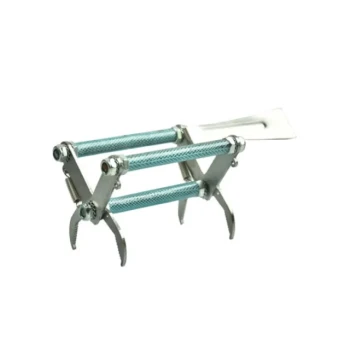
Sampling accuracy begins at the collection point. To ensure the validity of honey analysis, you must use complete hive frames containing sealed honey because this method prevents cross-contamination from mechanical extraction and guarantees the sample represents a specific biological timeframe.
Core Takeaway By collecting complete frames of sealed honey, you bypass the mixing and contamination inherent in bulk processing. This approach preserves the sample's "chain of custody" directly from the hive, ensuring that chemical composition, moisture levels, and pollen profiles remain chemically and physically unaltered for analysis.
Preserving Authenticity and Representation
Avoiding Process-Induced Contamination
The primary reason for using complete frames is to bypass the extraction process. Mechanical extraction typically involves centrifuges or presses that handle honey from multiple colonies or harvest periods simultaneously.
Collecting a complete frame isolates the sample from this bulk processing equipment. This eliminates the risk of cross-contamination from other honey batches, residual cleaning chemicals, or metallic components in the machinery.
Capturing Specific Forage Periods
Honey stored in a specific frame often corresponds to a distinct flowering window. Bees fill and cap cells sequentially based on what is currently blooming.
Sampling a specific frame allows you to analyze a distinct forage period. If you were to sample from a bulk tank, you would be analyzing a homogenized blend of the entire season, obscuring the specific botanical data and agricultural impacts relevant to that specific time.
Ensuring Chemical and Physical Stability
The Importance of the Wax Seal
"Sealed" honey refers to cells that bees have capped with wax. This natural seal is the gold standard for preservation.
Uncapped honey is often nectar that is still curing; it has high water content and is biologically unstable. Sampling sealed honey ensures the product is fully ripened, chemically stable, and reflects the finished metabolic product of the colony.
Protecting Against Environmental Interference
Just as laboratory protocols require airtight glass containers for storage, the wax seal on a hive frame acts as nature's barrier.
This seal prevents the honey from absorbing atmospheric moisture (honey is highly hygroscopic) or reacting with external odors. It also blocks "secondary" wind-borne pollen or dust from entering the sample, ensuring that any pollen found during analysis was intentionally collected by the bees, not blown in by the wind.
Understanding the Trade-offs
Resource Intensity
Collecting full frames is destructive sampling. You are removing a significant portion of the colony's resources (wax, honey, and pollen stores) which requires the bees to expend energy to rebuild. This is more "expensive" to the hive than taking a small spoon sample.
Logistical Complexity
Transporting full frames requires specialized cases to prevent breakage and leakage. Unlike a small jar, a frame is bulky and fragile. If the comb breaks during transit, the integrity of the specific cell distribution is lost, and the sample may degrade due to oxygen exposure.
Making the Right Choice for Your Goal
Selecting the correct sampling method depends entirely on the data you require.
- If your primary focus is Melissopalynology (Pollen Analysis): Use complete frames to ensure the pollen profile matches a specific foraging timeline and is free from wind-borne contamination.
- If your primary focus is Chemical Residue Testing: Use sealed honey from the frame to guarantee that any pesticides detected are from the agricultural environment, not introduced during extraction processing.
- If your primary focus is Moisture Content: Use sealed honey to ensure the water content measurement reflects the bees' finished product, not atmospheric absorption.
True analytical precision requires that the sample remains in its original, biologically sealed state until it reaches the laboratory bench.
Summary Table:
| Factor | Complete Frames & Sealed Honey | Bulk/Extracted Sampling |
|---|---|---|
| Contamination Risk | Extremely Low (Original wax seal) | High (Mechanical residue/cross-mixing) |
| Moisture Stability | Stable (Fully ripened & capped) | Variable (Atmospheric absorption risk) |
| Data Granularity | High (Specific forage periods) | Low (Homogenized seasonal blend) |
| Pollen Integrity | Pure (No wind-borne interference) | Diluted (Mixed botanical profiles) |
| Logistical Effort | High (Requires specialized transport) | Low (Standardized containers) |
Maximize Your Apiary's Productivity with HONESTBEE
Precise honey analysis is the foundation of a premium product, and having the right equipment is the foundation of a successful operation. HONESTBEE provides commercial apiaries and distributors with the professional-grade tools needed to maintain the highest standards of honey production.
From durable hive-making machinery and precision honey-filling lines to a comprehensive range of wholesale beekeeping tools and consumables, we offer the full spectrum of equipment to scale your business. Whether you are looking for specialized hardware or honey-themed cultural merchandise to expand your brand, we are your trusted industry partner.
Ready to elevate your beekeeping wholesale operations?
Contact us today for a comprehensive quote and expert consultation!
References
- Rogel Villanueva‐Gutiérrez, Yolanda Moguel-Ordóñez. Transgenic soybean pollen (Glycine max L.) in honey from the Yucatán peninsula, Mexico. DOI: 10.1038/srep04022
This article is also based on technical information from HonestBee Knowledge Base .
Related Products
- Wooden Bee Hive Frames for Beekeeping and Wholesale
- Plastic Bee Frame Beekeeping Hive Frames for Wholesale
- Professional Galvanized Steel Frame Rest for Beehives
- Heavy-Duty Stainless Steel Clip-On Frame Perch
- Precision Stainless Steel Frame Cleaner for Hive Grooves and Corners
People Also Ask
- How does balancing the number of frames impact hive productivity? Optimize Your Apiary's Biological Output
- How do wooden and plastic hive frames compare in terms of durability? Wood vs. Plastic Longevity & Repairability
- What are the main considerations when choosing between wooden and plastic bee hive frames? Optimize Your Apiary's Efficiency
- How should beehive frames be maintained to prolong their lifespan? 5 Pro Tips for Durable Beekeeping Equipment
- How are plastic frames different from traditional wooden frames? Choose the Right Frame for Your Apiary