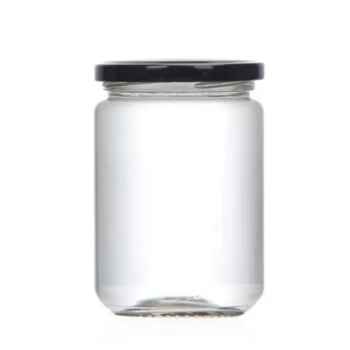
The transition to dedicated food-grade packaging and standardized labeling is the critical threshold between hobbyist beekeeping and a viable commercial enterprise. While recycled containers may seem cost-effective, they introduce significant risks of chemical migration, where substances from the packaging leach into the honey. Dedicated food-grade materials prevent this contamination, ensuring food safety and preserving the honey's natural flavor, while standardized labeling provides the traceability and ingredient disclosure required by law to enter premium markets.
Transitioning to professional packaging is not just a regulatory hurdle; it is a strategic asset. It protects the chemical integrity of your product while unlocking access to retail channels that demand full traceability and safety compliance.
Preserving Product Integrity and Safety
Preventing Chemical Migration
The primary risk of using non-standard or recycled containers is the interaction between the packaging material and the food product. Dedicated food-grade containers are chemically inert. This effectively prevents the migration of chemical substances from the packaging material into the honey, a common issue with unverified recycled glass or plastics.
Protecting Natural Flavor Profiles
Honey is a chemically complex substance that can easily be altered by its environment. Food-grade packaging ensures that the natural flavor of the honey is preserved exactly as harvested. It eliminates the possibility of "off-flavors" absorbed from residues left in recycled containers.
Barrier Against Environmental Contamination
Beyond chemical safety, professional packaging systems—often involving secondary seals—act as a robust barrier. They prevent the honey from absorbing atmospheric moisture (which can lead to fermentation) and protect it from light and temperature fluctuations. This maintains the honey’s original physicochemical properties during storage and transport.
Unlocking Commercial Opportunities
Ensuring Traceability and Transparency
Commercial retailers require a clear audit trail. A standardized labeling system facilitates commercial traceability, allowing producers and retailers to track batches in case of quality issues. It also fulfills the requirement for ingredient disclosure, which is essential for building consumer trust.
Compliance with Food Safety Regulations
Using food-grade packaging is a physical requirement for complying with food safety regulations. Health inspectors and regulatory bodies generally view recycled containers as a violation of hygiene standards due to the inability to guarantee sterilization.
Accessing Premium Markets
To achieve premium pricing, your product must look the part and meet strict entry criteria. Premium retail outlets and international markets will not accept products in non-standard packaging. Professional presentation is the key factor that allows a producer to bypass intermediaries and capture higher profit margins.
Understanding the Trade-offs
Higher Upfront Costs
Moving away from recycled containers requires a financial investment in new inventory. Dedicated packaging increases the cost per unit compared to scavenging or reusing jars. This impacts cash flow, particularly for smaller producers just beginning to scale.
Operational Complexity
Standardized labeling introduces administrative overhead. You must ensure your labels meet specific legal design standards, including font sizes, nutritional facts, and origin details. This requires more time and attention to detail than simply writing "Honey" on a generic jar.
Strategic Considerations for Your Brand
Choosing the right packaging strategy depends on your current scale and future aspirations.
- If your primary focus is entering retail chains or export markets: You must prioritize certified food-grade materials and fully compliant labeling to satisfy regulatory requirements and achieve the necessary traceability.
- If your primary focus is direct-to-consumer sales: Use professional, sterile packaging to differentiate your product from hobbyists, using the "food-grade" designation as a marketing tool to justify premium pricing.
Ultimately, professional packaging is the bridge that takes honey from a raw agricultural commodity to a trusted, high-value consumer product.
Summary Table:
| Feature | Food-Grade Packaging | Recycled Containers |
|---|---|---|
| Chemical Safety | Inert materials; no leaching | High risk of chemical migration |
| Flavor Preservation | Protects natural honey profile | Risk of "off-flavors" from residues |
| Market Access | Suitable for retail and export | Limited to local/casual sales |
| Regulatory Status | Fully compliant with hygiene laws | Often violates safety standards |
| Traceability | Standardized for batch tracking | Difficult to track or audit |
| Consumer Trust | High (Professional appearance) | Low (Perceived hygiene risk) |
Scale Your Honey Business with HONESTBEE
Are you ready to transition from hobbyist to a leading commercial enterprise? HONESTBEE specializes in supporting commercial apiaries and distributors with the professional tools and supplies needed to dominate the market.
We provide a comprehensive wholesale range, including:
- Food-Grade Containers: High-quality packaging that preserves product integrity.
- Industrial Machinery: Efficient honey-filling and hive-making machines to scale production.
- Beekeeping Equipment: A full spectrum of professional-grade tools and consumables.
- Cultural Merchandise: Unique honey-themed products to diversify your brand.
Let us help you achieve premium pricing and full regulatory compliance. Contact HONESTBEE today to secure your wholesale supply and professionalize your apiary operations!
References
- Nicholaus Bhikolimana Tutuba, Wim Vanhaverbeke. Beekeeping in Tanzania: why is beekeeping not commercially viable in Mvomero?. DOI: 10.21825/af.v31i1.9047
This article is also based on technical information from HonestBee Knowledge Base .
Related Products
- Food Grade Plastic Honey Bucket Pail for Beekeeping
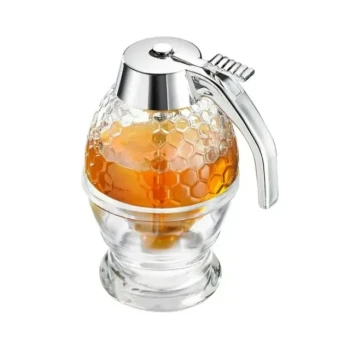
- Honeycomb Style Drip Free Honey Dispenser
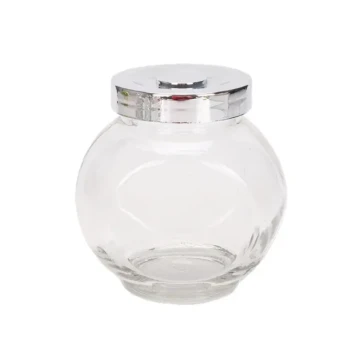
- Classic Drum Shaped Glass Honey Jar with Airtight Lid
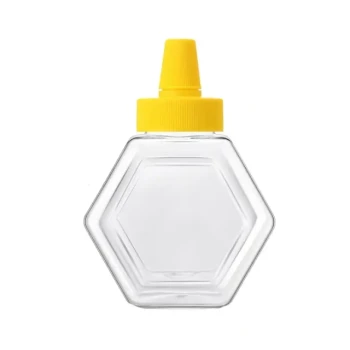
- Hexagonal Squeeze Honey Bottle with No Drip Lid
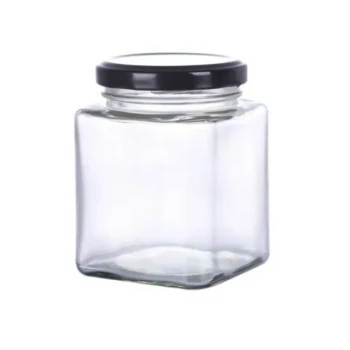
- Modern Square Glass Honey Jar with Twist Off Lid
People Also Ask
- What key operational precautions should be taken when using honey buckets and extractors fitted with bottom drain taps?
- What functions do food-grade honey buckets perform? Safeguard Your Harvest and Optimize Apiary Logistics
- Why are food-grade plastic buckets preferred for honey? Protect Quality with Modern Honey Collection Tools
- What is the significance of food-grade plastic honey collection buckets? Boost Quality in Forest Honey Logistics
- What is a honey pail? The Essential Container for Protecting Your Honey's Value