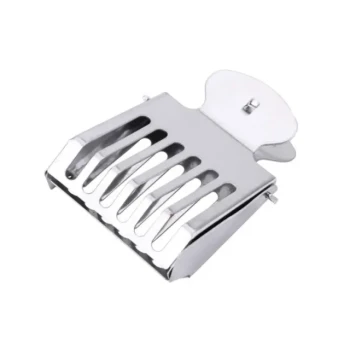
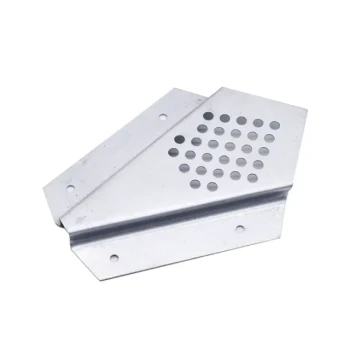
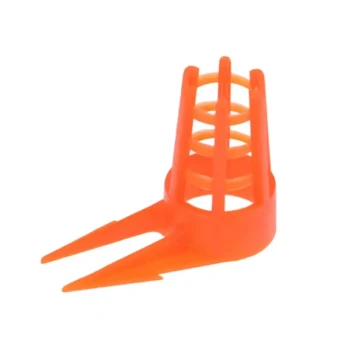
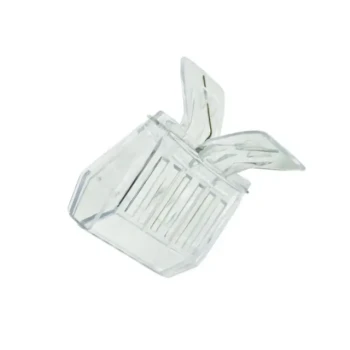
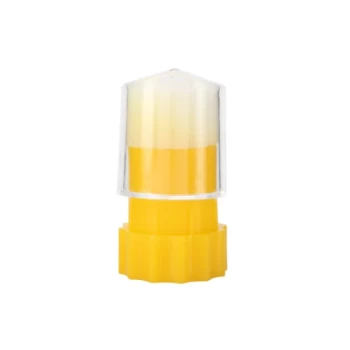
Using a queen excluder to physically isolate the queen is a strategic maneuver designed to induce an artificial brood-less state within the hive. By restricting the queen’s movement and interrupting the egg-laying cycle, you remove the protective environment of capped brood cells, forcing Varroa mites into an exposed state where organic acid treatments can be effective.
Core Insight: Organic acid treatments are often ineffective against mites hidden inside capped brood cells due to physical barriers. Isolating the queen creates a "brood break," forcing all mites into a phoretic stage on adult bees, rendering them fully vulnerable to contact-based treatments like oxalic or formic acid.
The Challenge of Capped Brood
The Mite's Defensive Advantage
Varroa mites thrive by entering brood cells before they are capped. Once the bees seal these cells with wax, the mites are physically shielded from the outside environment.
The Limitation of Organic Acids
Treatments such as oxalic acid and formic acid rely heavily on direct contact or vapor penetration to kill parasites. Capped brood cells act as a physical barrier, significantly reducing the ability of these acids to penetrate and reach the mites reproducing inside.
Leveraging the Phoretic Stage
Creating an Artificial Brood-less State
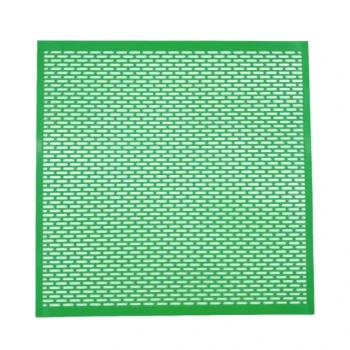
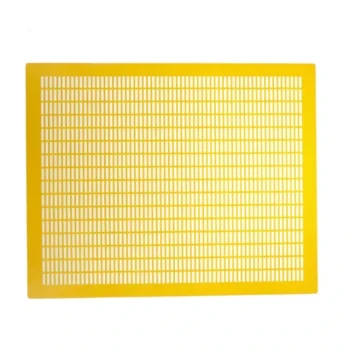
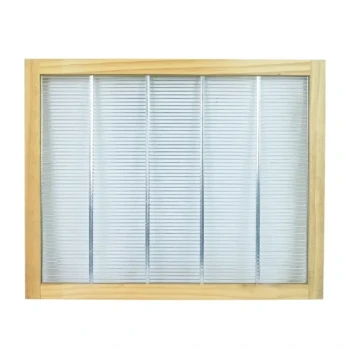
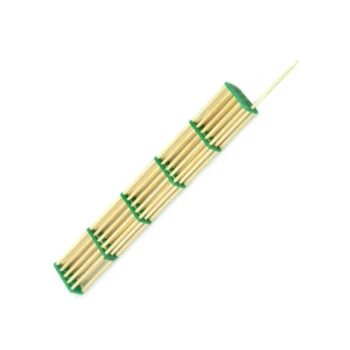
To overcome the barrier of capped cells, beekeepers use queen excluders, often made of bamboo or wood, to restrict the queen. This physical isolation interrupts her ability to lay new eggs across the hive.
Forcing Mites into the Open
As the existing brood hatches and no new eggs are laid to replace them, the hive enters a brood-less period. Without larvae to feed on or cells to hide in, all mites are forced to attach themselves to adult bees.
Maximizing Treatment Contact
This condition is known as the phoretic stage. When mites are exposed on the bodies of adult bees, organic acids can make direct contact. This exposure is critical for achieving a high control rate and preventing immediate re-infestation from mites that would otherwise have survived inside capped cells.
Understanding the Trade-offs
Interruption of Colony Growth
The primary mechanism of this method—stopping the egg-laying cycle—is also its main trade-off. By enforcing a brood-less state, you are temporarily halting the generation of new bees, which can impact colony population momentum if maintained for too long.
Equipment and Management Requirements
This approach requires specific hardware, such as bamboo or wood excluders, and precise timing. It is not a "set and forget" method; it requires active management to ensure the queen is isolated long enough to clear the brood but released soon enough to resume colony growth.
Making the Right Choice for Your Goal
To effectively utilize queen isolation for mite control, consider your primary objective:
- If your primary focus is maximum mite eradication: Implement a strict isolation period to force 100% of the mite population into the phoretic stage before applying acid.
- If your primary focus is treatment efficiency: Use this method to ensure your organic acid application (oxalic or formic) is not wasted on a hive where the majority of pests are shielded in brood.
By synchronizing the treatment with a brood-free period, you transform a partially effective measure into a comprehensive control strategy.
Summary Table:
| Feature | Impact on Treatment | Reason |
|---|---|---|
| Capped Brood | Shields Mites | Physical wax barrier prevents acid penetration. |
| Queen Isolation | Creates Brood-less State | Stops egg-laying to ensure no new larvae are available. |
| Phoretic Stage | High Mite Exposure | Forces all mites onto adult bees for direct acid contact. |
| Treatment Result | Maximum Kill Rate | Eliminates mites that would otherwise survive inside cells. |
Boost Your Apiary's Health with HONESTBEE Solutions
To achieve professional-grade results in Varroa mite control, you need reliable equipment that ensures precise management. HONESTBEE provides commercial apiaries and distributors with high-quality bamboo and wood queen excluders, hive-making machinery, and a full spectrum of beekeeping tools designed for efficiency.
Whether you are scaling your honey production or supplying the next generation of beekeepers, our comprehensive wholesale offerings and industry consumables are built to support your growth. Contact us today to discuss your wholesale needs and see how our specialized hardware can streamline your operations.
References
- Orlando Campolo, Vincenzo Palmeri. Field efficacy of two organic acids against Varroa destructor. DOI: 10.1127/entomologia/2017/0430
This article is also based on technical information from HonestBee Knowledge Base .
Related Products
- High Performance Plastic Queen Excluder for Beekeeping and Apiary Management
- Lightweight Durable Plastic Queen Excluder Scraper for Beekeeping
- Professional Plastic Queen Excluder for Modern Beekeeping
- Metal Queen Bee Excluder for Beekeeping
- Premium Wood Framed Metal Wire Queen Bee Excluder
People Also Ask
- What are the characteristics of a plastic queen excluder? Key Benefits for Cost-Effective Beekeeping
- What are the operational and cost advantages of using plastic queen excluders over metal or wire excluders in commercial hive management? Discover how they reduce labor, prevent wing damage, and lower total costs.
- What types of queen excluders are available for beekeepers? Choose the Right Tool for Your Hive
- Why are standardized hive frames and queen excluders essential for maintaining honey purity and quality? Scale Your Purity
- Do plastic queen excluders work? A Cost-Effective Solution for Modern Apiaries