The primary recommendation for using transparent cages with a limited number of worker bees is to guarantee rigorous biosecurity during export. This specific configuration allows official veterinarians to perform a complete visual scan of the cage contents without opening it. By limiting the number of accompanying workers—typically to fewer than 20—inspectors prevent the formation of dense clusters, ensuring that pests like the Small Hive Beetle cannot hide from view.
Biosecurity protocols demand that every insect be visible without physical interference. Limiting the population density inside a transparent enclosure ensures that invasive pests cannot evade detection by burrowing into the bee cluster.
The Biosecurity Imperative
Maximizing Visual Detection
The goal of export quarantine is to ensure no foreign pests are transported alongside the bees.
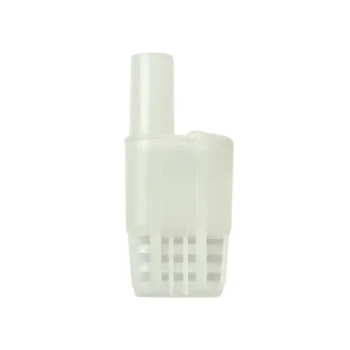
Transparent cages with integrated viewing windows are essential because they allow for a 360-degree assessment. Veterinarians must be able to verify the health status of the queen and her attendants within a strict 24-hour inspection window.
Eliminating Hiding Spots
The restriction on worker bee numbers is a strategic calculation, not just a logistical one.
Bees naturally cluster together for warmth and protection. If too many workers are present, they form a dense ball that creates a blind spot in the center of the cage. This "living shield" could potentially obscure a hitchhiking pest from the inspector's view.
The Specific Threat: Small Hive Beetle
The primary target of these strict visibility protocols is the Small Hive Beetle.
This pest is adept at concealing itself within bee colonies. By capping the worker count at 20 or fewer, the colony density remains low enough that a beetle has nowhere to hide, significantly reducing the risk of it passing through quarantine undetected.
Understanding the Trade-offs
Balancing Visibility with Support
While minimizing the number of workers is crucial for inspection, the queen still requires care.
The accompanying workers are necessary to feed and groom the queen during transit. The limit of 20 bees is the "sweet spot" that provides just enough support for the queen's survival without compromising the visibility required for inspection.
Environmental Control
Transparent materials must still offer physical protection.
While visibility is key for the inspector, the cage must still function as a mailing cage (as noted in general shipping practices). This means it must maintain a stable micro-climate and provide access to food (candy troughs) to ensure the queen's reproductive vitality is preserved during the stress of transport.
Making the Right Choice for Your Goal
When preparing queens for export, you must satisfy both regulatory bodies and biological needs.
- If your primary focus is Passing Inspection: Ensure your cages utilize high-clarity materials and strictly adhere to the maximum worker allowance to prevent rejection by veterinary officers.
- If your primary focus is Queen Survival: Verify that the transparent cage still includes sufficient ventilation and food stores to support the limited number of attendants during the journey.
Transparency and population control are not just preferences; they are the frontline defense against the spread of global apiary pests.
Summary Table:
| Quarantine Factor | Requirement | Benefit for Inspection |
|---|---|---|
| Cage Material | High-clarity Transparent | Allows 360-degree visual scan without opening the cage. |
| Worker Bee Count | Typically < 20 workers | Prevents dense clusters where pests like Small Hive Beetle hide. |
| Inspection Window | Usually within 24 hours | Enables rapid verification of queen and attendant health. |
| Survival Needs | Integrated candy & ventilation | Maintains queen vitality while meeting biosecurity standards. |
Secure Your Global Bee Shipments with HONESTBEE
Navigating international export regulations requires the right equipment. HONESTBEE provides commercial apiaries and distributors with professional-grade beekeeping tools designed for compliance and queen health. From high-clarity transport cages to advanced honey-processing machinery, we supply the full spectrum of equipment needed to scale your operations.
Our Value to You:
- Wholesale Excellence: Comprehensive inventory for large-scale apiary needs.
- Quality Assurance: Tools that meet rigorous biosecurity and durability standards.
- Industry Expertise: We support distributors with specialized hardware and essential consumables.
Ready to elevate your beekeeping business? Contact HONESTBEE today to discuss our wholesale offerings and customized machinery solutions!
References
- . Panel On Animal Health And Welfare. Survival, spread and establishment of the small hive beetle (Aethina tumida). DOI: 10.2903/j.efsa.2015.4328
This article is also based on technical information from HonestBee Knowledge Base .
Related Products
- Transparent Plastic Bee Catcher Queen Marker Tube Cage Beekeeping Tool Equipment
- Queen Bee Marking Tube Cage Bottle Catcher Holder with Clear Plastic Plunger Marker
- Durable Galvanized Steel Spring Queen Bee Cage
- Durable Plastic Push In Queen Bee Cage
- Professional Queen Cage with Sliding Gate and Feeder Plug
People Also Ask
- What are the specific advantages of using international standard marking tools in queen bee production and management?
- What tools are available to assist in safely marking a queen bee? Essential Gear for Professional Beekeepers
- What equipment is needed to mark a queen bee? A Simple 3-Tool Guide for Every Beekeeper
- Why are high-quality queen bee marking tools essential for pedigree tracking? Master Honey Bee Genetic Integrity
- What is the purpose of a queen catcher in beekeeping? Safely Handle Your Queen Bee