Technically, the necessity of using certified production queens stems from the critical need for genetic control. When a colony raises its own queen, she must fly out to mate with available drones in the environment, a process which exposes your operation to unpredictable genetic traits. Using certified queens or cells eliminates this variable, guaranteeing known lineage, behavior, and productivity.
Core Takeaway In regions with Africanized honey bee populations, certified queens act as a biological firewall. They prevent the introduction of aggressive genetics caused by virgin queens mating with wild drones, ensuring the colony remains safe to handle and operationally efficient.
The Critical Risk of Open Mating
Preventing Genetic Contamination
When a colony is split or re-queened without a certified queen, it will raise a virgin queen. To reproduce, this queen must leave the hive and mate with multiple drones in the surrounding area.
In regions with high densities of Africanized honey bees, there is a high statistical probability that she will mate with wild, Africanized drones.
Ensuring Manageability and Safety
If a virgin queen mates with Africanized drones, the resulting offspring will inherit defensive and aggressive behaviors.
This transforms a manageable hive into a safety hazard for beekeepers and neighbors. Introducing a certified production queen (which has already mated with selected drones) or a queen cell from a professional breeder bypasses this risk entirely.
Guaranteeing a Gentle Temperament
Professional breeders select stock specifically for docility and ease of handling.
By introducing these genetics directly, you ensure the colony remains calm. This is "technically necessary" because once aggressive genetics enter an apiary, the only remedy is the difficult and dangerous process of finding and killing the aggressive queen.
Operational Efficiency and Performance
Maintaining Peak Vitality
Beyond safety, certified queens are essential for maintaining the reproductive capacity of the hive.
Older queens often suffer from declining egg-laying efficiency due to age, pesticide exposure, or the stress of long-distance transport. A colony with a failing queen cannot maintain the population density required for effective pollination or honey production.
Standardization of the Apiary
Commercial operations rely on hives functioning as efficient pollination units.
Certified queens from selected breeding lines provide consistency across the operation. This prevents production declines caused by reproductive imbalance, ensuring every split grows at a predictable rate.
Understanding the Trade-offs
Cost vs. Control
The primary downside to using certified queens is the upfront financial cost. Raising your own queens during a split is essentially "free" in terms of cash flow, whereas purchasing queens requires significant capital outlay.
However, you must weigh this saving against the potential liability of aggressive bees or the lost production from a failing, genetically inferior queen.
Logistics and Timing
Using certified stock requires precise scheduling.
You must coordinate your splitting or re-queening schedule exactly with the breeder’s delivery dates. If the queens arrive and your hives are not ready to receive them, you risk losing the investment; if you split too early without queens, the bees will begin raising their own emergency cells immediately.
Making the Right Choice for Your Goal
Deciding between buying certified queens and letting bees raise their own depends on your specific operational risks.
- If your primary focus is Safety and Liability: You must use certified queens to prevent the integration of wild, aggressive Africanized genetics into your apiary.
- If your primary focus is Production Efficiency: You should utilize certified stock to ensure high egg-laying rates and standardized colony growth for pollination contracts.
Ultimately, using certified stock is the only way to professionally manage the genetic future of your apiary.
Summary Table:
| Feature | Certified Production Queens | Self-Raised (Open Mating) |
|---|---|---|
| Genetic Control | Guaranteed lineage and traits | Unpredictable; risk of wild drones |
| Temperament | Selected for docility/gentleness | High risk of aggressive/Africanized traits |
| Productivity | High egg-laying capacity & vitality | Variable; depends on local drone quality |
| Operational Cost | Upfront financial investment | Lower initial cash outlay |
| Management | Predictable growth and performance | Higher risk of hive failure or liability |
Maximize Your Apiary’s Potential with HONESTBEE
At HONESTBEE, we understand that commercial success in beekeeping starts with precision and reliability. Whether you are managing large-scale pollination units or distributing supplies to local beekeepers, our comprehensive wholesale solutions are designed to support your growth.
We provide everything from advanced hive-making and honey-filling machinery to a full spectrum of specialized beekeeping tools and essential consumables. By partnering with us, commercial apiaries and distributors gain access to high-quality hardware and unique honey-themed cultural merchandise that add value to every stage of production.
Ensure your operation runs with peak efficiency—contact HONESTBEE today to explore our wholesale equipment and tools!
References
- Michael K. O’Malley, Jerry W. Hayes. Explaining the Best Management Practices for Maintaining European Honey Bee Colonies. DOI: 10.32473/edis-in874-2010
This article is also based on technical information from HonestBee Knowledge Base .
Related Products
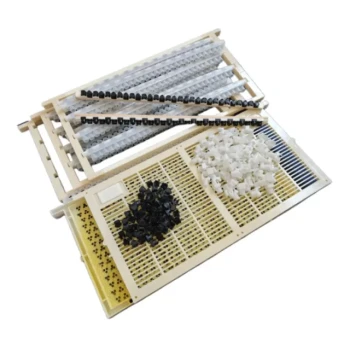
- No Grafting Queen Rearing Kit: System for Royal Jelly Production and Queen Rearing
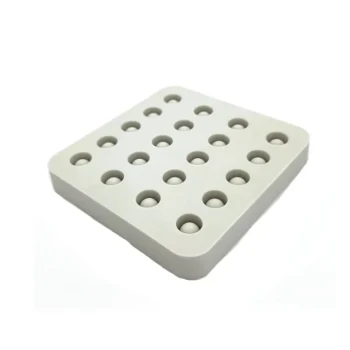
- High-Efficiency 20-Cell Silicone Mold for Beeswax Bee Queen Cup Production
- Portable Queen Bee Incubator with 12V Car Adapter for Safe Transport
- Heavy Duty Stainless Steel Queen Bee Catcher Clip
- Jenter Queen Rearing Kit Complete Set for Bee Breeding
People Also Ask
- What is the primary function of a queen rearing kit? Eliminate Manual Grafting for Superior Bee Breeding
- How do specialized queen rearing kits and queen management tools improve the success rate of bee colony expansion?
- What are some alternative methods to grafting for queen cell production? Discover Graft-Free Queen Rearing Systems
- Are queen rearing systems generally suitable for all honeybee species? Master Efficient Breeding Methods
- Are queen rearing systems suitable for all beekeepers? Modern Tools for Every Experience Level