The reproductive capacity of the queen dictates the success or failure of a semi-scaled apiary. She is the biological core of the colony, directly controlling the population size and the subsequent workforce available for harvest. Without a vigorous queen, even the most advanced hive equipment cannot compensate for a lack of foraging vitality.
A high-quality queen is a technical prerequisite for commercial stability. She ensures the colony achieves the critical mass required to maximize specific nectar flows, turning a biological organism into a reliable production unit.
The Engine of Productivity
Determining Reproductive Capacity
The queen is the sole driver of population growth within the hive. In a semi-scaled operation, consistency is key; you need every hive to build population at a predictable rate. A high-quality queen lays the eggs necessary to sustain a massive workforce, directly influencing the colony’s biological momentum.
Maximizing Foraging Vitality
Honey production depends entirely on the number of available workers during short, specific nectar flows. A strong queen ensures peak population coincides with these flows. If the queen is weak, the colony will lack the foraging vitality required to gather surplus resources, regardless of the available nectar.
Integrating with Scientific Management
The "One Queen Per Hive" Standard
Semi-scaled systems rely on a scientific management model to ensure uniformity across the operation. By maintaining one high-quality queen per hive, you standardize the variables between colonies. This standardization allows for predictable maintenance schedules and yield expectations.
Leveraging Standardized Hardware
Modern standardized hives act as the hardware foundation for this biological engine. As noted in supplementary texts, these hives allow for movable habitats and efficient inspections. However, this hardware is only effective if the "software"—the queen—is functioning correctly. A movable frame hive allows you to inspect for diseases and manage pests, but it is the queen's genetic quality that determines if the colony is worth managing.
Understanding the Operational Trade-offs
Management Intensity
maintaining high-quality queens requires active intervention. You cannot rely on natural replacement, which often leads to genetic dilution or brood breaks. This necessitates a proactive replacement schedule, increasing labor and input costs.
The Risk of Genetic Bottlenecks
Focusing strictly on production traits can sometimes lead to a lack of genetic diversity. While a high-quality queen boosts yield, relying on a narrow set of genetics for an entire operation can make your apiary more susceptible to specific pathogens or environmental stressors.
Making the Right Choice for Your Goal
To implement a queen-centric strategy effectively, assess your primary operational objectives:
- If your primary focus is Maximum Honey Yield: Prioritize queens selected for rapid spring buildup to ensure maximum workforce density during peak nectar flows.
- If your primary focus is Operational Efficiency: Utilize standardized hives to perform regular inspections, ensuring the queen's output matches the colony's health metrics.
A high-quality queen is not just a biological asset; she is the mechanism that converts your management efforts into tangible results.
Summary Table:
| Key Factor | Impact on Semi-Scaled Operations | Role of High-Quality Queen |
|---|---|---|
| Reproductive Capacity | Determines workforce size and colony momentum. | Lays consistent, high volumes of eggs to sustain mass. |
| Foraging Vitality | Crucial for capturing short nectar flows. | Ensures peak population coincides with flowering periods. |
| Scientific Management | Standardizes variables across multiple hives. | Provides predictable growth patterns for scheduling. |
| Hardware Integration | Maximizes the utility of movable frame hives. | Acts as the biological 'software' driving the system. |
Elevate Your Commercial Success with HONESTBEE
To turn a biological organism into a reliable production unit, you need more than just a high-quality queen—you need the professional infrastructure to support her. HONESTBEE empowers commercial apiaries and distributors with a comprehensive range of wholesale beekeeping solutions. From high-precision hive-making and honey-filling machinery to essential industry consumables and specialized hardware, we provide the tools necessary to scale your operation efficiently.
Whether you are managing a semi-scaled apiary or distributing equipment globally, our portfolio is designed to maximize your productivity and foraging vitality. Contact us today to discuss your wholesale needs and see how HONESTBEE can streamline your path to a more profitable harvest.
References
- Giovanni Luna Chontal, Gregorio Fernández-Lambert. Caracterización apícola en la región sierra centro-norte de Veracruz: contexto y trashumancia. DOI: 10.29312/remexca.v10i6.1689
This article is also based on technical information from HonestBee Knowledge Base .
Related Products
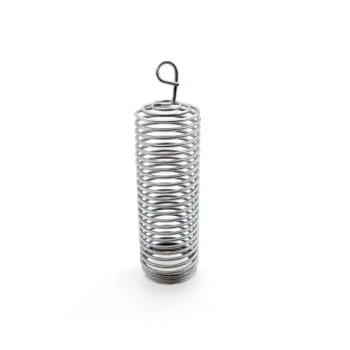
- Durable Galvanized Steel Spring Queen Bee Cage
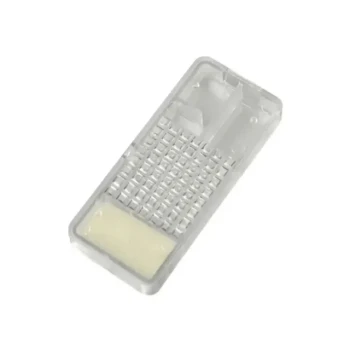
- High Performance Plastic Queen Excluder for Beekeeping and Apiary Management
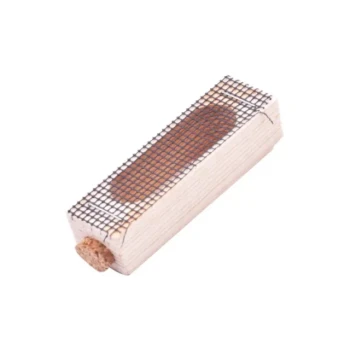
- Premium Wood Framed Metal Wire Queen Bee Excluder
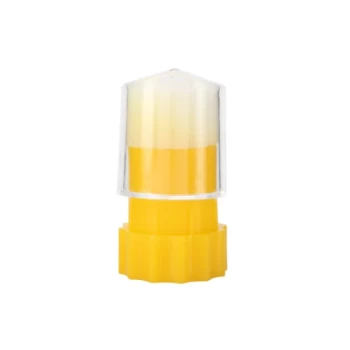
- Professional Queen Bee Introduction and Transport Cage
- Heavy Duty Stainless Steel Queen Bee Catcher Clip
People Also Ask
- Why are specialized queen bee cages used for the banking of mated queen bees? Maximize Commercial Apiary Storage Efficiency
- What is the mechanism of action for using temporary queen bee cages? Master Successful Queen Introduction
- What is the step-by-step process for installing a queen bee's cage onto a frame? Ensure Hive Acceptance Safely
- What is the optimal placement for a queen bee cage? Essential Strategies for Successful Re-queening
- What are the advantages and disadvantages of introducing a queen bee by embedding the cage? Boost Your Queen Acceptance