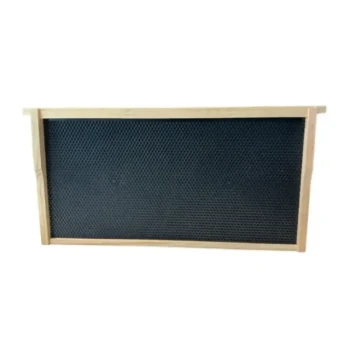
Bee space is the dimensional foundation of a functional beehive. The standard target is approximately 9.525 mm (3/8 inch) between hive components, frames, and internal surfaces. If the clearance is too narrow, bees fill it with propolis; if it is too wide, they construct brace or burr comb. Precise spacing keeps comb orderly, frames removable, and equipment compatible across inspections and honey-extraction operations.
The central principle is simple: bees actively modify spaces that fall outside their natural clearance range. Maintaining the correct bee space prevents components from being glued together or connected with unwanted comb, preserving both colony-management efficiency and the interchangeability of standard hive equipment.
Why Bee Space Matters in Hive Design
Bees regulate internal clearances
Honey bees naturally maintain a narrow clearance between surfaces inside the colony. Commercial hive equipment must reproduce this spacing closely rather than relying on bees to correct dimensional errors.
The commonly used design reference is 3/8 inch, or 9.525 mm. In practical terms, bee space is often discussed as a narrow working range of roughly 6 to 10 mm, but standardized equipment should be manufactured toward the specified design dimension rather than treating the entire range as interchangeable.
Incorrect spacing creates predictable problems
A gap that is too small is typically sealed with propolis, a sticky resin bees use to close and protect spaces. This can bond frames, covers, and hive bodies together.
A gap that is too large encourages the construction of brace comb or burr comb. This unwanted wax connects frames to one another or to the hive walls, creating the same basic operational problem: components no longer move freely.
How Precise Dimensions Improve Hive Operations
Frames remain removable
Correct bee space allows frames to be lifted, inspected, and returned without excessive force. This reduces the risk of damaging comb or crushing bees during routine colony management.
When frames are bonded with propolis or joined by burr comb, the beekeeper must use more force and spend more time separating them. That increases disruption to the colony and can damage valuable comb structures.
Inspections become faster and safer
Standard spacing supports predictable frame handling with a hive tool. Beekeepers can inspect brood, monitor colony health, and identify problems without fighting connected components.
For commercial apiaries, even small dimensional inconsistencies can multiply across many hives. Reliable tolerances therefore contribute directly to labor efficiency and consistent operating procedures.
Honey extraction is less destructive
Orderly, removable frames can be transported and placed into extraction equipment without first dismantling unwanted comb connections. Maintaining the original comb structure also helps reduce unnecessary replacement and rebuilding.
The benefit is not merely convenience. Properly designed equipment supports repeatable handling from hive inspection through harvesting and equipment preparation.
Why Bee Space Supports Modular Compatibility
Hive components work as a system
Standard bee space must be preserved across hive bodies, supers, frames, covers, and related internal components. A frame that fits correctly in one box but creates improper clearances in another undermines the modular design of the entire hive.
Consistent manufacturing allows beekeepers to exchange compatible components without introducing new propolis joints or burr-comb gaps.
Stacked boxes remain separable
Bee space also matters at the interfaces between stacked hive sections. If those interfaces are dimensionally incorrect, bees can connect the sections with propolis or wax.
For distributors and resellers, this makes dimensional consistency a product-quality issue rather than a minor manufacturing detail. A full equipment range is only genuinely useful when its components operate together reliably.
Standardization improves sourcing confidence
Precisely manufactured equipment is easier to specify, reorder, and combine across suppliers and apiary locations. Clear dimensional standards reduce uncertainty for wholesalers, B2B buyers, and beekeepers managing replacement inventory.
This is especially important when customers need a one-stop source for complete hive systems rather than isolated components that may not be compatible.
What Precision Manufacturing Requires
Control the internal dimensions
Bee space depends on the relationship between multiple parts, not just one measurement. Frame width, frame spacing, box dimensions, wall clearances, and cover interfaces must be controlled as a complete assembly.
A component can appear accurate on its own while still creating an incorrect clearance when installed in the hive. Manufacturing checks should therefore consider both individual dimensions and assembled fit.
Maintain repeatable tolerances
Small variations can accumulate across a row of frames or between stacked hive bodies. Repeatable production tolerances help ensure that the intended clearance remains consistent throughout the equipment.
For commercial purchasing, this means evaluating not only material quality and appearance, but also production controls, inspection practices, and the supplier’s ability to repeat specifications across large orders.
Preserve interchangeability
A standard hive component should fit other components made to the same specification. Interchangeability reduces replacement complexity, simplifies inventory planning, and allows beekeepers to scale operations without redesigning their equipment.
This is one reason dimensional precision is central to professional beehive manufacturing: it protects the value of the entire equipment ecosystem.
Understanding the Trade-offs
Too little space increases bonding
Clearances below the intended bee-space range invite propolis buildup. Over time, this can make frames and boxes difficult to separate and may require substantial scraping or forceful manipulation.
The result is higher maintenance effort and a greater risk of comb damage during inspections.
Too much space increases comb clutter
Oversized gaps give bees room to construct burr or brace comb. This can connect adjacent frames, reduce access to comb surfaces, and make the hive interior difficult to manage.
Excess comb also creates additional cleanup work and can reduce the speed of commercial inspections.
Excessively loose specifications are not a substitute for tolerance control
Describing bee space as a broad range does not mean equipment can be designed casually anywhere within that range. The correct result depends on the exact relationship between parts and on the specific hive design.
Manufacturers and buyers should rely on defined specifications and consistent quality control, with 9.525 mm (3/8 inch) used as the primary standard reference where applicable.
Poorly matched components create hidden costs
Low-cost components with inconsistent dimensions may appear commercially attractive, but they can create compatibility problems when combined with frames, supers, or covers from another production run.
Those problems are ultimately transferred to the beekeeper through slower labor, damaged comb, more frequent repairs, and reduced confidence in replacement equipment.
How to Apply This to Your Project
The best purchasing decision is based on the operating goal, not only on the unit price.
- If your primary focus is beekeeper usability: Prioritize equipment manufactured around the 9.525 mm (3/8 inch) bee-space standard so frames remain easy to remove and comb remains orderly.
- If your primary focus is commercial apiary efficiency: Select components with repeatable dimensions and reliable interchangeability to reduce inspection time and maintenance labor.
- If your primary focus is distribution or wholesale supply: Work with suppliers that can provide a coordinated product portfolio, consistent specifications, responsive service, and dependable order fulfillment.
- If your primary focus is system compatibility: Confirm the dimensional relationship between frames, hive bodies, supers, covers, and other internal components before purchasing in volume.
Precise bee space turns individual hive parts into a dependable, modular system that works with bee behavior rather than against it.
Summary Table:
| Aspect | Correct Bee Space (Target ~9.525 mm) | Incorrect Spacing (Too Narrow or Too Wide) |
|---|---|---|
| Hive Operations | Frames easy to remove; fast inspections | Frames glued with propolis or connected by burr comb |
| Comb Integrity | Comb remains orderly and reusable | Comb damaged during forced separation |
| Modular Compatibility | Components interchange seamlessly | Mismatched parts cause functional issues |
| Maintenance | Minimal scraping and cleanup | Frequent cleaning and repair needed |
| Commercial Efficiency | Labor time reduced; consistent workflow | Increased labor and downtime |
| Product Quality | Reliable performance and longevity | Hidden costs from poor tolerances |
Elevate your apiary with precision-engineered beekeeping equipment from HONESTBEE. As a leading wholesale supplier, we offer a comprehensive range of tools, machinery, and hive components all manufactured to strict bee-space tolerances. For distributors and B2B resellers, we provide OEM/ODM support, fast order fulfillment, and dedicated service to ensure your supply chain runs smoothly. Contact us today to discuss your bulk needs and experience reliable, high-quality sourcing for your business – Get a Quote.
Related Products
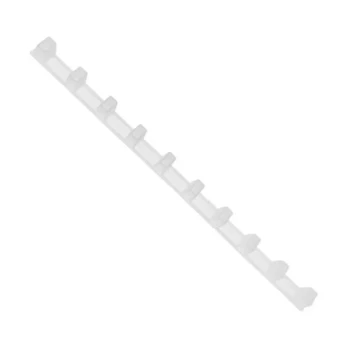
- Durable Plastic Frame Spacer
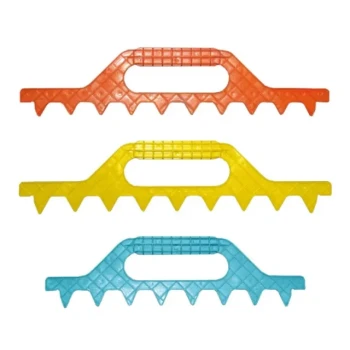
- Ergonomic Plastic Frame Spacer Tool for Rapid Hive Management Beekeeping
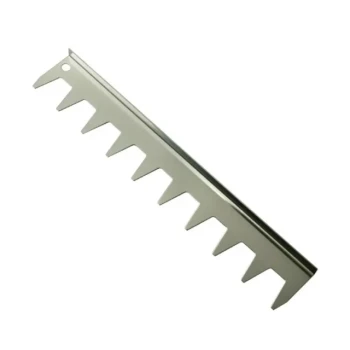
- Stainless Steel 9 Frame Hive Spacer Durable Precise for Commercial Beekeeping
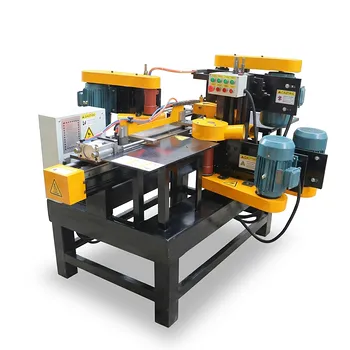
- Professional Bee Frame Machine for Side Bar Shaping
- Assembled Wooden Bee Frames with Plastic Foundation for Durability and Convenience by HONESTBEE
People Also Ask
- Are plastic bee hive frames good? A Guide to Modern Durability vs. Natural Appeal
- Are plastic bee frames good? A Guide to Durability, Efficiency & Bee Acceptance
- What are the advantages of using Standard Langstroth 10-frame equipment? Scale Your Commercial Apiary Efficiency
- How do you clean plastic frames? A Gentle Guide to Preserving Your Frames
- How must plastic frames be prepared for bees? Expert Tips for 100% Acceptance & Success