Precise frame spacing and hive volume management directly limit Small Hive Beetle (SHB) breeding opportunities. Correct spacing gives worker bees physical access to comb surfaces, while properly sized hive volume ensures the colony can patrol those surfaces effectively. When frames are too close or the hive contains more space than the colony can defend, beetles gain protected areas for egg-laying and reproduction.
SHB control depends on matching hive geometry to colony strength. Standardized frames and accurate spacing eliminate inaccessible micro-gaps, while appropriately sized hive bodies prevent unguarded comb from becoming a breeding zone.
How Frame Spacing Influences SHB Reproduction
Proper spacing preserves bee access
Worker bees must be able to reach and patrol the sides of every frame and comb surface. Correct frame spacing maintains usable bee space and allows bees to detect and remove SHB adults, eggs, and larvae.
This physical access is a basic but essential layer of colony defense. If bees cannot reach a surface, they cannot consistently protect it.
Overly tight frames create protected micro-gaps
Frames placed too close together can form narrow spaces that worker bees cannot enter or clean effectively. These gaps may provide adult beetles with sheltered locations to hide and lay eggs.
The risk is not simply the presence of a gap. The critical issue is whether the gap is accessible to bees but accessible to beetles.
Standardized frames improve control consistency
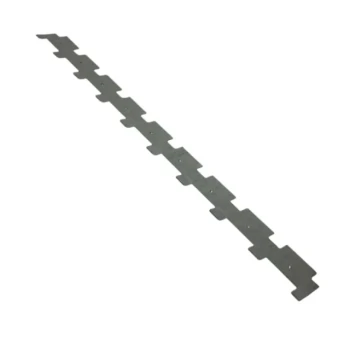
Uniform frames and precise spacers help maintain predictable internal geometry. Beekeepers can reproduce the correct spacing across boxes, inspect each frame more efficiently, and identify damaged or misaligned equipment before it creates additional hiding places.
For distributors and professional apiaries, standardized hardware also simplifies stocking, replacement, inspection, and fulfillment across different hive configurations.
Why Hive Volume Must Match Colony Strength
Bees can defend only the space they can patrol
A strong colony can cover more comb surfaces and respond more effectively to intruding beetles. A weak or declining colony has fewer workers available to guard the brood nest, clean comb, and remove SHB eggs and larvae.
Adding excess hive volume to a small colony therefore creates more than unused capacity. It creates potentially unguarded habitat for pests.
Seasonal population declines increase vulnerability
Worker numbers commonly decrease during dry periods or winter. Hive capacity should be reviewed during these periods so that boxes and supers do not exceed the colony’s ability to defend them.
Reducing unnecessary space helps concentrate the bees’ defensive activity around the brood nest and the comb that is actively being used.
Excess space supports infestation development
SHB adults can move through unpatrolled areas and establish egg-laying sites away from concentrated worker activity. Their larvae feed on stored pollen and honey, and fermentation can damage stores and place additional stress on the colony.
That stress can further weaken colony defense, creating a cycle in which beetle reproduction and declining bee strength reinforce each other.
How Equipment Design Supports SHB Prevention
Reduce cracks, pores, and damaged surfaces
Precision-manufactured hive bodies and frames minimize structural defects that can serve as beetle shelters. Damaged or deteriorated components should be repaired or replaced because small cavities can undermine otherwise effective bee patrols.
Good equipment integrity complements, but does not replace, strong colony management and inspection.
Use modular hive bodies for rapid adjustment
Modular boxes allow beekeepers to add or remove capacity as colony populations change. This makes it easier to keep the internal space proportional to the number of worker bees available for defense.
For commercial operations, modular equipment also supports consistent hive configurations and more efficient inventory planning.
Maintain inspection-ready standardization
Uniform frames create a repeatable inspection unit. Beekeepers can examine comb surfaces, brood areas, pollen stores, and internal spaces more quickly and consistently.
Early detection of adult beetles, larvae, or fermented honey allows corrective action before the infestation becomes extensive.
Strong Colonies Are a Necessary Complement
Nutrition supports defensive behavior
Adequate nutrition helps maintain population density and colony health. Healthy, well-populated colonies generally have greater capacity for hygienic behavior and defensive responses.
Professional feeders and nutritional supplementation can be useful management tools when forage conditions are inadequate, although they should be integrated into a broader colony-health plan.
Weak colonies require tighter space management
A stressed colony should not be expected to defend the same volume as a large, active colony. Removing unused supers or reducing excess capacity can make the remaining space more manageable for the available workers.
Space management is especially important when colonies are already weakened by poor forage, seasonal stress, or disease pressure.
Understanding the Trade-offs
Too little space can also create problems
The objective is not to compress every hive as tightly as possible. Colonies need sufficient room for brood development, food storage, ventilation, and normal movement.
The correct approach is accurate spacing within an appropriately sized hive, not indiscriminate reduction of capacity.
Equipment precision cannot compensate for a weak colony
Standard frames and well-built boxes reduce hiding places, but they do not eliminate SHB risk. A weak colony may still fail to patrol even correctly configured equipment.
Colony strength, nutrition, sanitation, and routine inspection must work alongside hardware controls.
SHB control requires integrated management
Frame spacing and hive volume address the physical conditions that support reproduction. Beekeepers may also need appropriate traps, apiary hygiene, removal of debris, and other locally suitable control measures.
Inspection remains essential. Adult beetles can be observed on comb surfaces, and photophobic beetles may gather under an inverted hive lid when exposed to light, helping reveal an infestation.
Making the Right Choice for Your Goal
The most effective management approach combines standardized equipment with decisions based on actual colony strength.
- If your primary focus is SHB prevention: Maintain precise frame spacing, eliminate damaged equipment and unnecessary cracks, and keep hive volume proportional to the population available for patrol.
- If your primary focus is commercial apiary efficiency: Use standardized frames, spacers, and modular hive bodies so teams can inspect, reconfigure, replace, and fulfill equipment requirements consistently.
- If your primary focus is managing weak or seasonal colonies: Reduce unguarded space during dry periods, winter, or other population declines while preserving sufficient room for essential brood and food stores.
- If your primary focus is early detection: Use uniform, inspection-ready equipment and routinely check comb surfaces, frame gaps, brood areas, and signs of fermented honey or SHB larvae.
When hive geometry and colony strength are kept in balance, worker bees can occupy the defensive space they need and sharply reduce SHB opportunities to reproduce.
Summary Table:
| Aspect | Impact on SHB Control | Key Management Strategy |
|---|---|---|
| Frame Spacing | Correct spacing ensures bee access to comb surfaces, removing SHB hiding spots. | Use standardized frames and spacers to maintain consistent bee space. |
| Tight Frames | Overly close frames create micro-gaps that bees can't clean, providing beetle refuges. | Inspect frames regularly and ensure proper spacing to eliminate inaccessible gaps. |
| Hive Volume | Excess space exceeds colony's patrolling capacity, creating unguarded breeding zones. | Match hive volume to colony strength; reduce supers during population declines. |
| Equipment Design | Precision-built hives minimize cracks and shelters; modular designs allow flexible capacity. | Invest in high-quality, standardized equipment for easy inspection and adjustment. |
| Colony Strength | Strong colonies defend space effectively; weak colonies are more vulnerable. | Support nutrition and health, and manage space strictly for weak colonies. |
Ensure your apiary is equipped with precision-engineered frames and modular hive bodies that support optimal SHB control. At HONESTBEE, we supply a comprehensive range of beekeeping tools and equipment for commercial apiaries and distributors. Our standardized hardware simplifies inspection and reduces pest hiding places, helping you maintain healthy colonies. With rapid delivery and dedicated support, we help you optimize your operations. Contact us today to discuss your needs and get a tailored quote!
Related Products
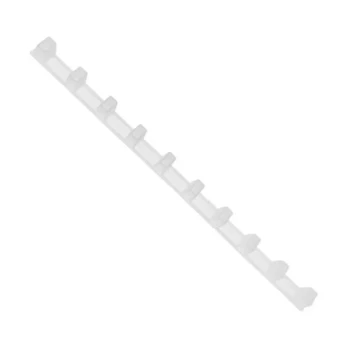
- Ergonomic Plastic Frame Spacer Tool for Rapid Hive Management Beekeeping
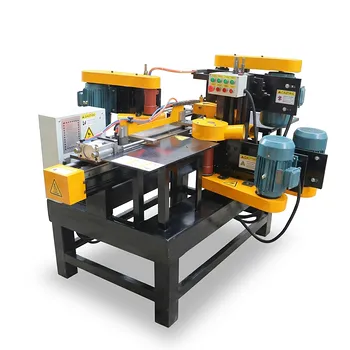
- Professional Bee Frame Machine for Side Bar Shaping
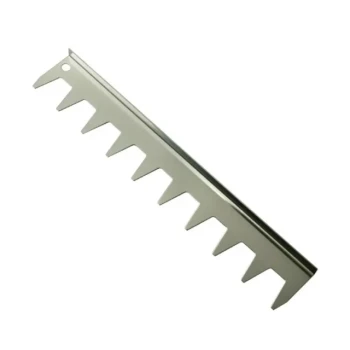
- Professional Castellated Iron Frame Spacer for Multiple Hive Types
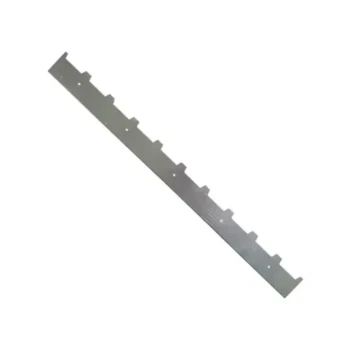
- Stainless Steel 9 Frame Hive Spacer Durable Precise for Commercial Beekeeping
- Durable Plastic Frame Spacer
People Also Ask
- What specific challenges do beekeeping hive tools address during hive maintenance? Essential Solutions for Apiaries
- How do specialized beehive management tools assist in the routine maintenance of bee colonies? Boost Hive Efficiency
- How do specialized beehive management tools support high-purity honey production? Master Monofloral Isolation
- How do spring inspections for honeybee starvation symptoms guide apiary management? Optimize Colony Survival & Growth
- How do traditional harvesting tools like axes and machetes negatively affect bee colonies? Upgrade to Professional Gear