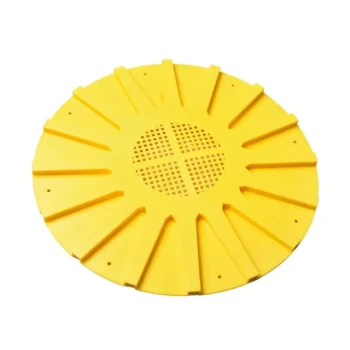
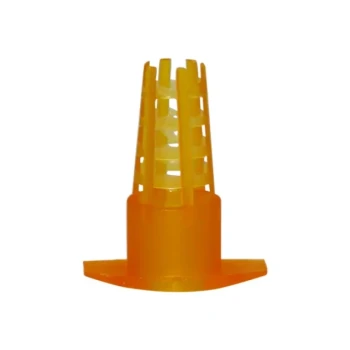
Plastic queen excluder material is utilized for beehive entrance protection because it provides a pre-engineered, precise mechanical barrier that filters biological threats without disrupting the colony's environment. The material’s specific grid spacing allows worker bees to move freely while physically blocking larger predators, such as Vespa orientalis, and its thermal properties prevent the temperature fluctuations common with metal alternatives.
By repurposing the precise dimensions of queen excluders, beekeepers create a "biological firewall" that physically excludes predators based on size, while the plastic composition ensures the hardware remains weather-resistant and thermally neutral.
The Mechanics of Selective Filtration
Leveraging Precise Grid Spacing
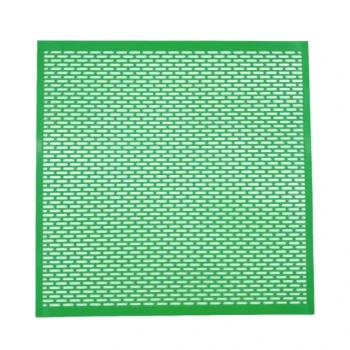
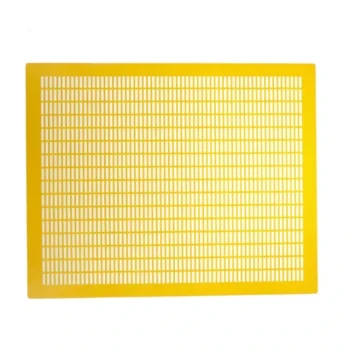
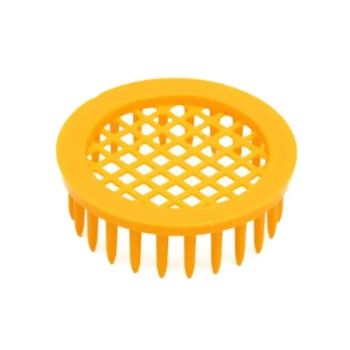
The primary value of queen excluder material lies in its calibrated geometric design. Originally intended to separate the larger queen from smaller worker bees within the hive, this grid spacing is equally effective at the entrance.
It functions as a physical filter based on size differences between species. Worker bees can navigate the gaps effortlessly, maintaining their foraging workflow.
Simultaneously, the grid creates an impassable barrier for larger external threats. Predators like Vespa orientalis (Oriental Hornet) are too large to bypass the mesh, neutralizing the threat before they can breach the hive.
Material Advantages Over Metal
Thermal Stability and Colony Health
A critical advantage of plastic over metal is its thermal neutrality. Metal components can absorb and radiate heat or cold, creating localized temperature spikes or drops.
Plastic does not cause these excessive temperature fluctuations. This stability is vital for maintaining the colony's internal climate, ensuring the bees are not disturbed by the hardware during extreme weather conditions.
Weather and Chemical Resistance
Entrance hardware is constantly exposed to the elements. Plastic consumables provide high weather resistance and chemical stability, ensuring the protective barrier does not degrade rapidly over time.
Fabrication Flexibility
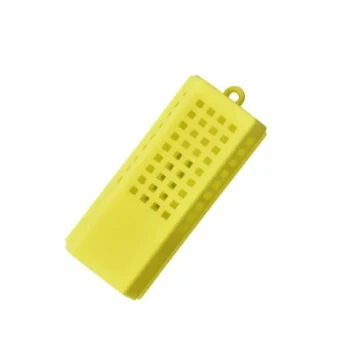
Plastic allows for easier customization compared to rigid metal grids. It can be easily cut and formed into specific geometric shapes, such as cuboids, to fit various entrance designs.
This ease of fabrication allows beekeepers to adapt the protective hardware to different hive configurations without specialized metalworking tools.
Understanding the Trade-offs
The Context of Adaptation
It is important to recognize that this material is being repurposed from its original function. As noted in standard beekeeping practices, excluders are traditionally flat sections used internally to manage brood and honey supers.
Structural vs. Thermal Priorities
While metal excluders are durable and effective for internal use, their thermal conductivity makes them less ideal for external entrance defense. The trade-off here is prioritizing thermal regulation and adaptability (plastic) over the sheer rigidity of metal.
Making the Right Choice for Your Goal
When selecting hardware for hive defense, consider your specific environmental pressures.
- If your primary focus is Predator Exclusion: Ensure the grid spacing is strictly verified to block your local predator species (like hornets) while permitting worker passage.
- If your primary focus is Environmental Stability: Prioritize plastic materials to avoid creating "thermal bridges" that conduct heat or cold into the hive entrance.
Select the material that balances physical security with the physiological needs of the colony.
Summary Table:
| Feature | Plastic Queen Excluder Material | Benefit to Beehive |
|---|---|---|
| Grid Spacing | Calibrated & Precise | Blocks large predators like Vespa orientalis while allowing workers free passage |
| Thermal Properties | Thermally Neutral | Prevents temperature spikes and drops common with metal alternatives |
| Durability | Weather & Chemical Resistant | Long-lasting performance in outdoor environments without degradation |
| Fabrication | High Flexibility | Easily cut and shaped into cuboids or custom sizes for various hive designs |
Secure Your Apiary with Professional-Grade Solutions
At HONESTBEE, we understand that protecting your colony requires precision and reliability. As a dedicated partner to commercial apiaries and distributors, we provide a comprehensive wholesale range of beekeeping tools, specialized machinery, and essential consumables designed for performance.
From high-precision hive-making and honey-filling machines to durable protective components, our portfolio is built to scale your operations and enhance hive health. Let us provide the hardware and expertise your business needs to thrive.
Ready to upgrade your equipment? Contact us today to discuss wholesale opportunities!
References
- M. A. Abd Al-Fattah, Wael Mahmoud Marzouk. New applications for protecting honeybee, Apis mellifera L., colonies from attacking the oriental hornet (Vespa orientalis Fab.). DOI: 10.21608/eajbsa.2014.13201
This article is also based on technical information from HonestBee Knowledge Base .
Related Products
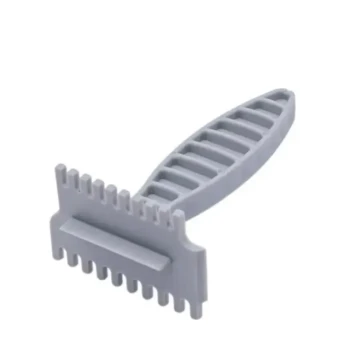
- Lightweight Durable Plastic Queen Excluder Scraper for Beekeeping
- High Performance Plastic Queen Excluder for Beekeeping and Apiary Management
- Professional Plastic Queen Excluder for Modern Beekeeping
- Plastic Queen Bee Excluder for Bee Hive Wholesale
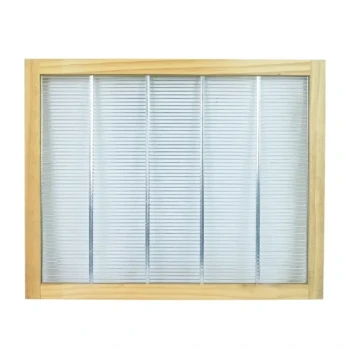
- Premium Wood Framed Metal Wire Queen Bee Excluder
People Also Ask
- Why are standardized hive frames and queen excluders essential for maintaining honey purity and quality? Scale Your Purity
- What types of queen excluders are available for beekeepers? Choose the Right Tool for Your Hive
- What are the benefits of using a queen excluder for monitoring and managing the queen bee? Master Hive Control Today!
- What is the purpose of removing queen excluders during the queen bee installation? Maximize Colony Growth Today
- What is a queen excluder in beekeeping? A Guide to Hive Management & Honey Production